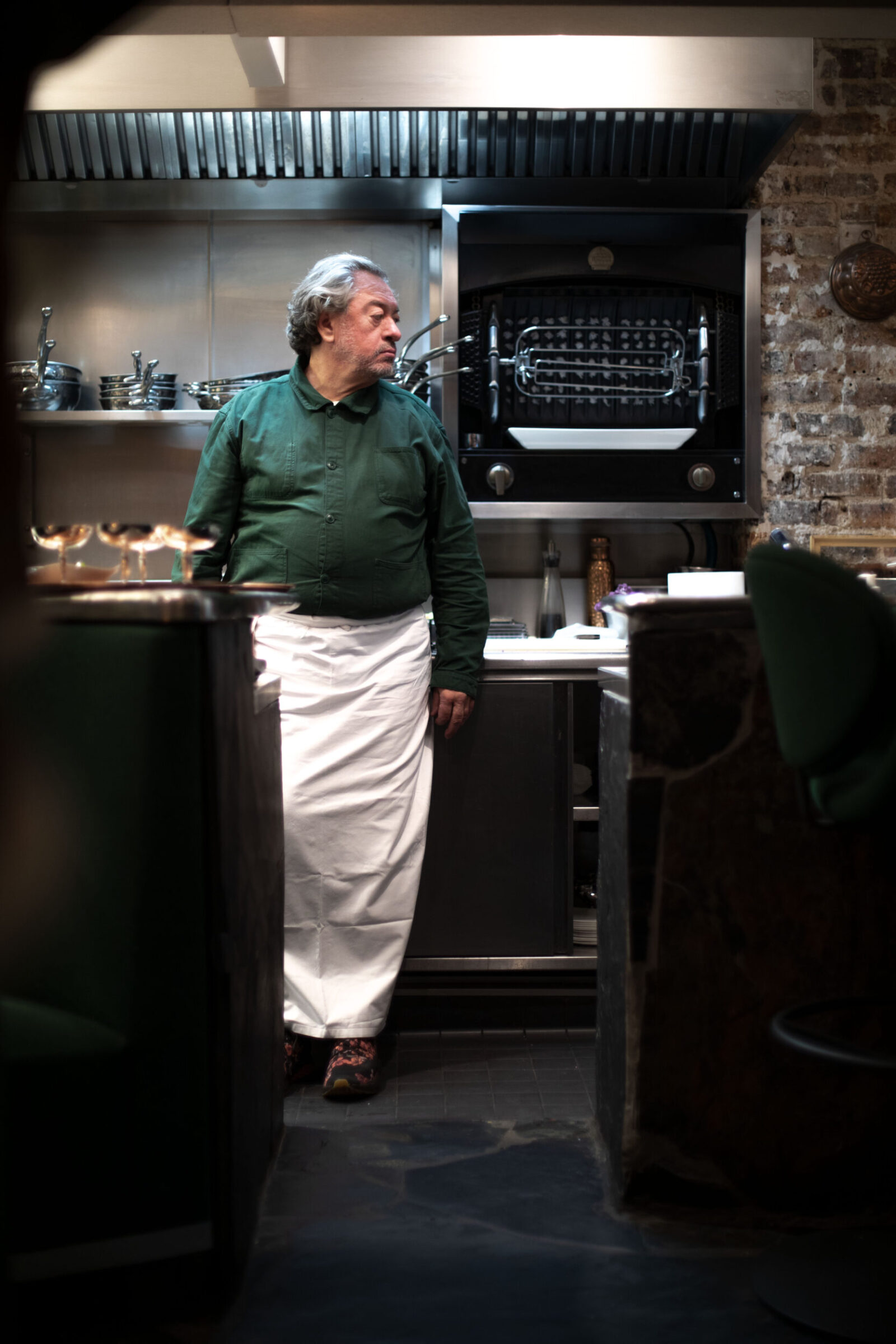
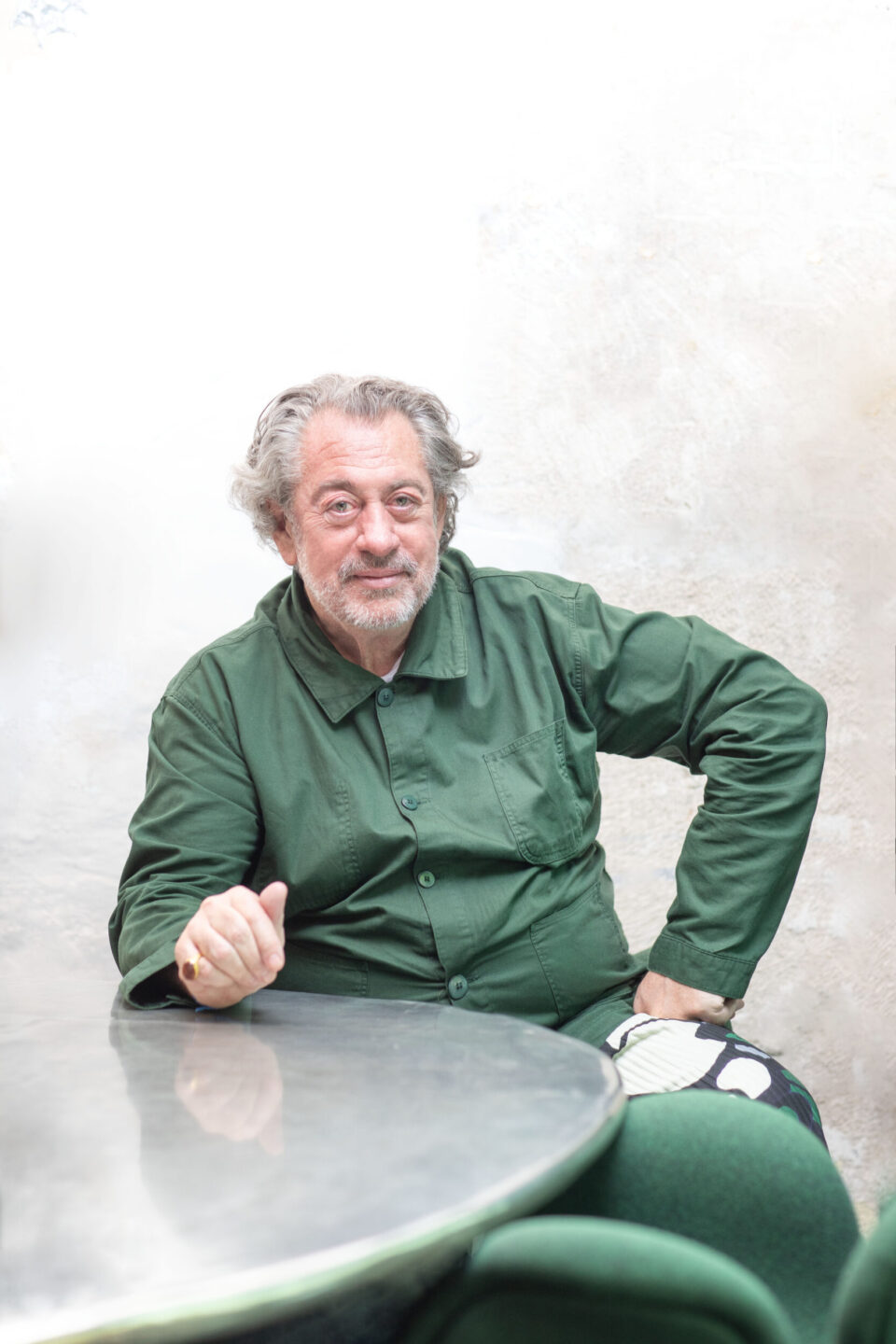
Bruno Verjus: Beyond “Fine Dining”

Edouard Amoiel
20 septembre 2026
It’s time for the staff meal. The conversation revolves around a skate wing, served that day with a tomato salad. The tomatoes—grown without water—were brought by someone who knows how much attention Bruno Verjus pays to his ingredients. They have, he says, “flavors and textures like those of fruit.” Even as he prepares to talk about the closure of his restaurant, Table, it is still the food that takes center stage.
A cutting-edge formula
At the end of the year, his two-Michelin-starred Parisian restaurant will close its doors. The announcement had already come as a surprise. Then, one sentence—“Fine dining is dead”—sparked comments, criticism, and at times even some attacks. It’s a blunt statement, much like the man who uttered it, but it reveals only part of his thinking.
Before discussing the business model or the future of haute cuisine, I simply ask him how he’s doing. “Very well. I’m doing much better than I was two and a half years ago.” Since his cardiovascular incident, Bruno Verjus has regained his strength. That period, however, kept him away from the kitchen. Bruno Verjus continues to create dishes, brainstorm with his teams, and evolve his cuisine, but he can no longer be as hands-on on a daily basis as he used to be. Yet Table was born, above all, out of this desire: to cook, to reconnect with the craft.
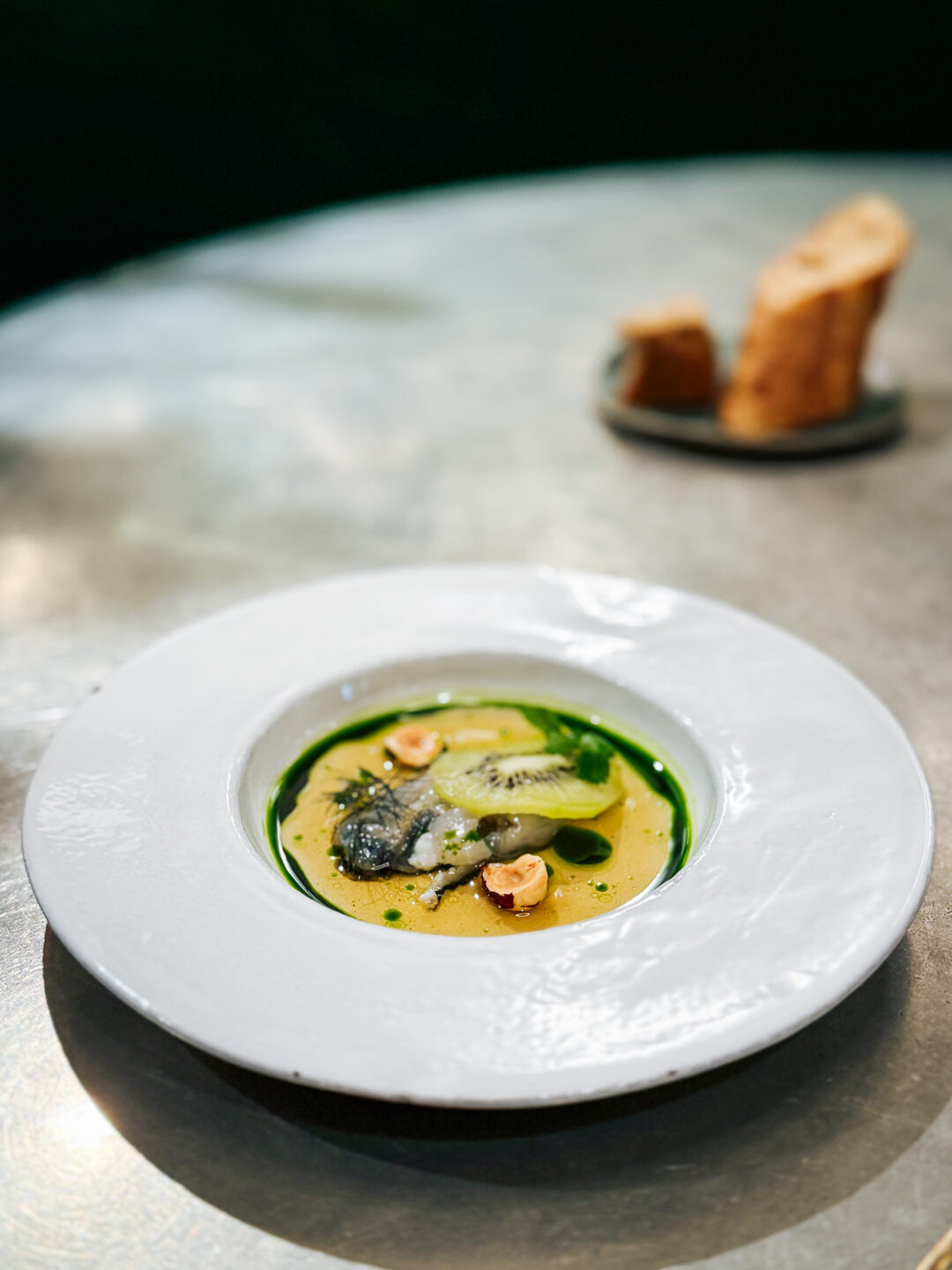
Business Owner
In his day-to-day life, there’s something missing: the hands-on work. “I want to get my hands dirty. What’s the point of owning a restaurant just to sit on a stool?” His health played a role in his thinking, though it wasn’t the sole reason behind his decision. His first observation is also that of a business owner. Despite international recognition, two Michelin stars, and a restaurant that’s always packed, Table’s financial stability remains precarious.
His statement about the death of fine dining does not, therefore, refer to the disappearance of haute cuisine, culinary expertise, or extraordinary ingredients. It targets a system that, in his view, has reached the brink of its own contradiction: producing ever-better food at ever-higher costs, all while catering to an increasingly exclusive circle. He admits to having gotten caught up in the game. Awards, rankings, stars, a fully booked restaurant: when everything seems to be going well, it becomes easy to stop paying attention to who can still sit at your table.
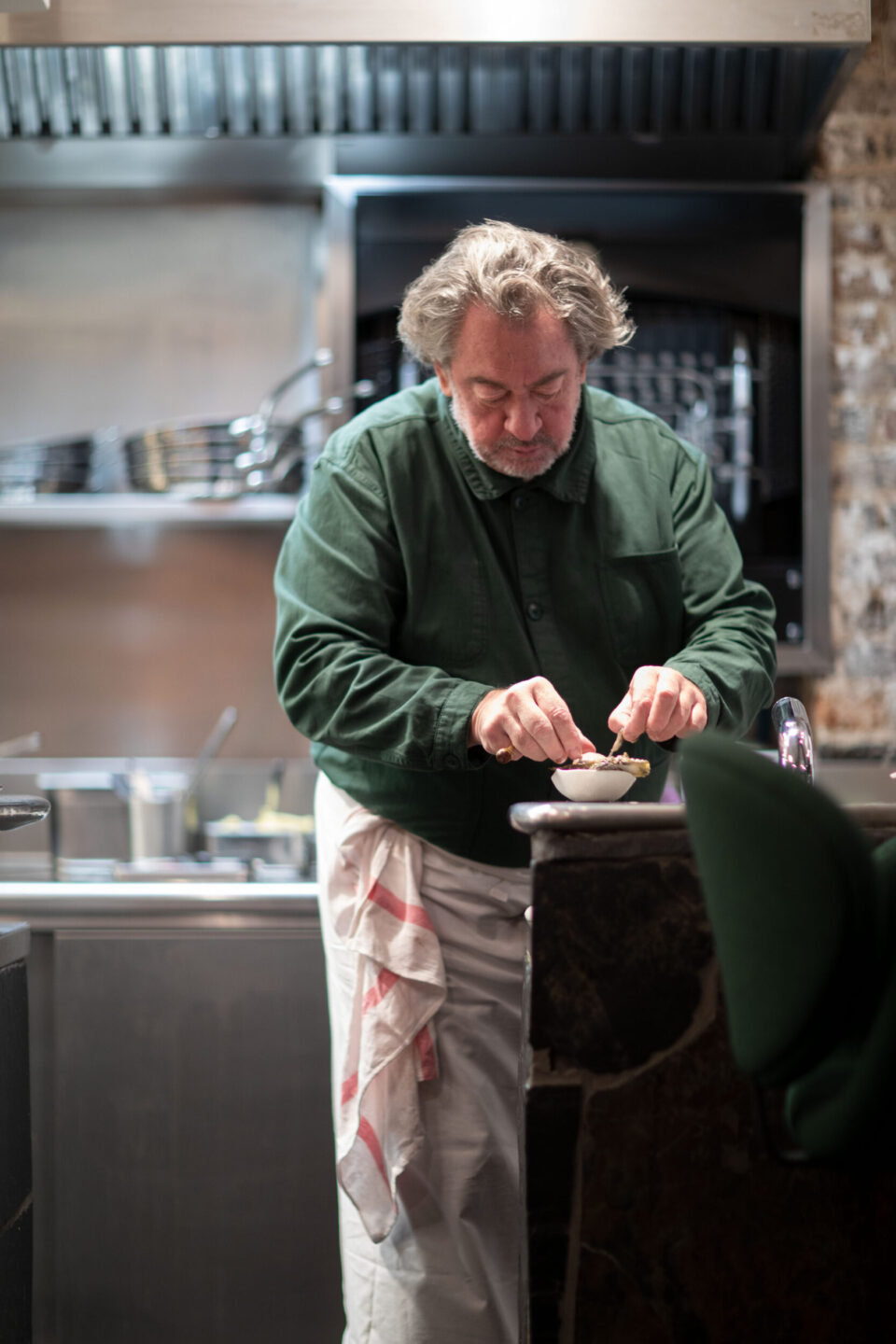
Take your pick
Brujo Verjus also questions the concept of the tasting menu and this practice of forcing customers to spend several hours at the table without really asking them what they want to eat. “Isn’t that a form of hostage-taking?” Behind the provocative statement lies a simple desire: to give customers back their choice.
Back to the menu. Allowing someone to come in for just one dish. Bringing together in the same space both those who spend fifteen or eighteen euros and those who want a custom menu paired with fine wines. To restore a social mix that, for Bruno Verjus, is part of the very history of cuisine.
The project hasn’t been finalized yet, but its shape is taking form. It won’t be Table 2.0. The current venue, its size, and the way it operates don’t allow for a 100-euro menu without compromising on ingredients or putting a strain on the staff. So we’ll need a different space, greater seating capacity, and a different mindset.
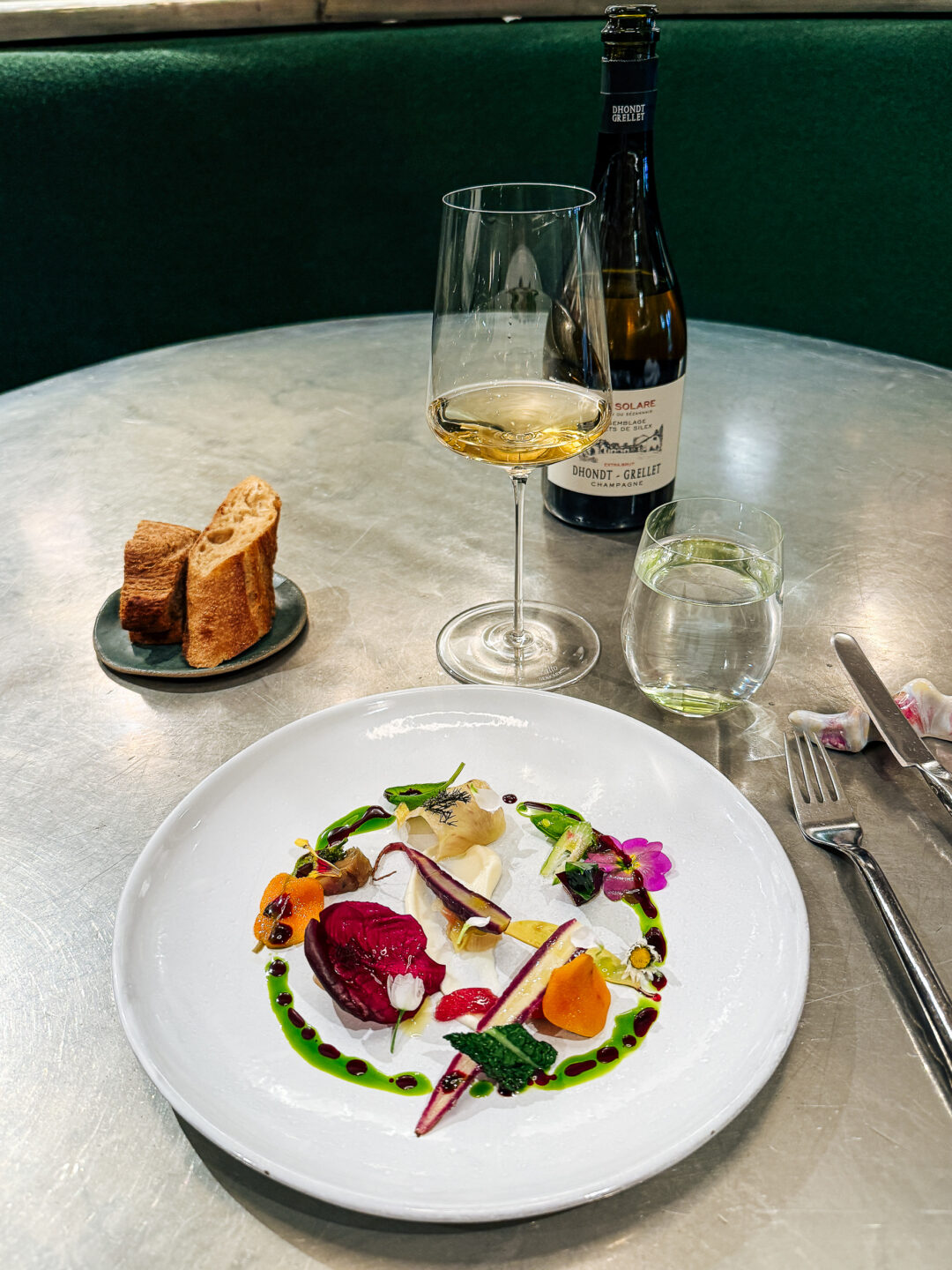
7 days a week
Bruno Verjus dreams of a restaurant open seven days a week, almost around the clock. A place where you could eat at the bar in front of the kitchen, freely order a dish, or choose a more ambitious dining experience. A place built around exceptional ingredients, yet flexible enough to embrace the moment. A concept that wouldn’t depend entirely on his presence and that could, one day, be replicated elsewhere. “I think that’s what people are looking for: that freedom.”
Beyond the reactions and controversies, the closure of Table marks, above all, the beginning of a new chapter. Bruno Verjus has no intention of compromising on quality, abandoning his artisans, or simplifying his cuisine to the point of making it unrecognizable. He wants to expand the dining experience, work with more producers, and put technique at the service of his guests rather than his ego. “It’s a humanistic project. A school of life, a way of relating to the world.” Table is closing. But for Bruno Verjus, the desire to nourish others seems stronger than ever.