Olav Spirig celebrates Yume’s first anniversary

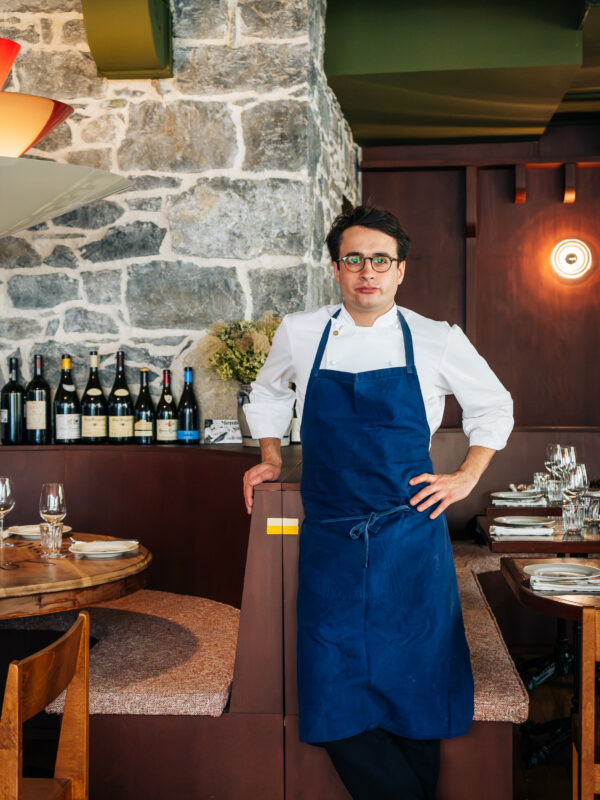
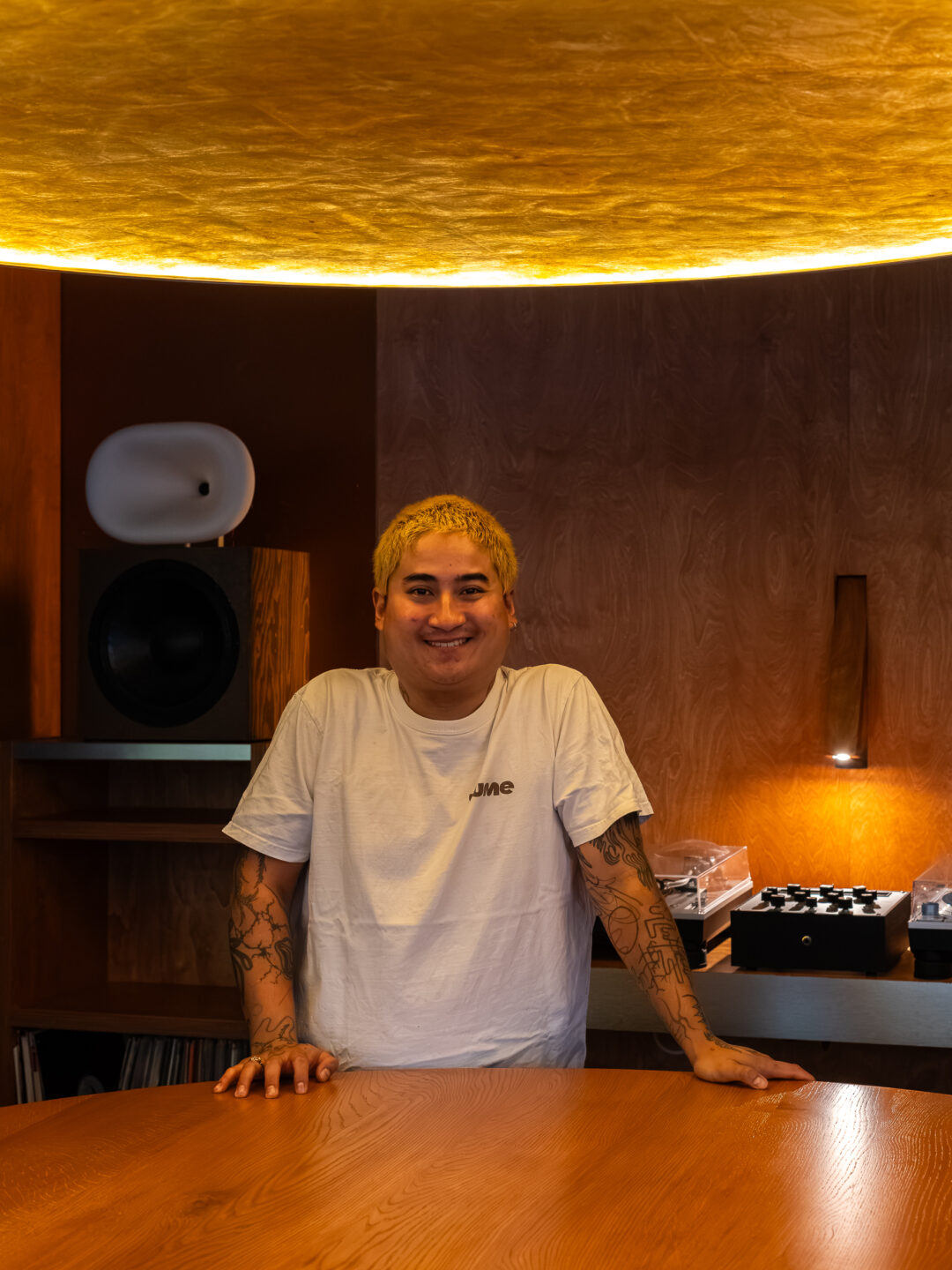
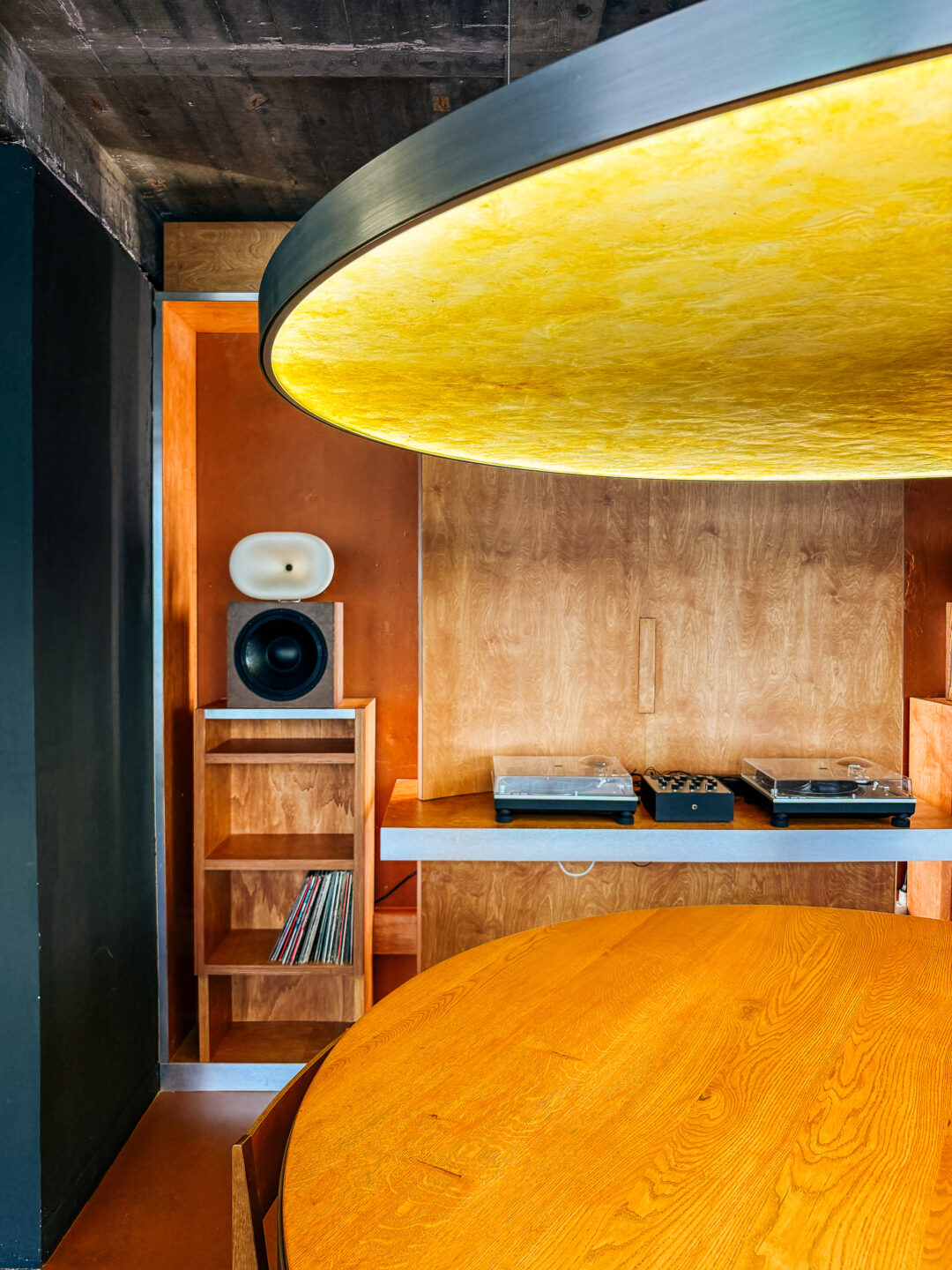
Evening is settling in peacefully in the Pâquis neighborhood. From Rue de la Navigation, you can see through the floor-to-ceiling windows of Yume Dumpling Bar the small team wrapping up their weekly session. We meet up with Olav Spirig, one year after our first interview, when his restaurant was still under construction. Together, we take stock of the past few months before getting down to business.
The Six-Month Euphoria
After our brief reunion, our conversation inevitably begins with a look back. It’s impossible not to recall those countless evenings when the restaurant was fully booked. And yet, despite all the excitement generated by the new venture, Olav remains cautious: the hardest part is yet to come. “During the first few months, we ran a lot of trial runs,” he summarizes. Many things were revised along the way: service, kitchen organization, recipes, and even production.
The months go by and the influx of customers shows no sign of slowing down; the necessary adjustments seem to be paying off. Six months later, the project is suddenly put to the test. Eventually, however, business stabilizes and begins to grow again. A year later, Olav humbly estimates that he is “a little above what he reasonably thought he could achieve.”
Being in Geneva
If we trace Olav Spirig’s career path, we make a stop in Copenhagen, where he trained as a chef. There, restaurants like Yume Dumpling Bar are commonplace and go largely unnoticed. In Geneva, his hometown, the uniqueness of his concept, on the other hand, has generated high expectations. And while the founder expected to attract a young clientele, the result has been quite different: his restaurant is primarily frequented by an older, more affluent clientele. And despite his initial fear of having to meet higher standards, he has instead discovered “customers who are attentive to detail, capable of understanding the concept and recognizing the work that goes into every plate.”
Before building up a base of regular customers, one issue sparked controversy at the time of the opening: service provided exclusively in English. It was a choice the founder fully stood by, but one that has been revised over time. “It’s not a decision that’s always accepted by all new customers, but it has allowed Yume to become a welcoming place for an international clientele,” he acknowledges.
An Efficient Kitchen
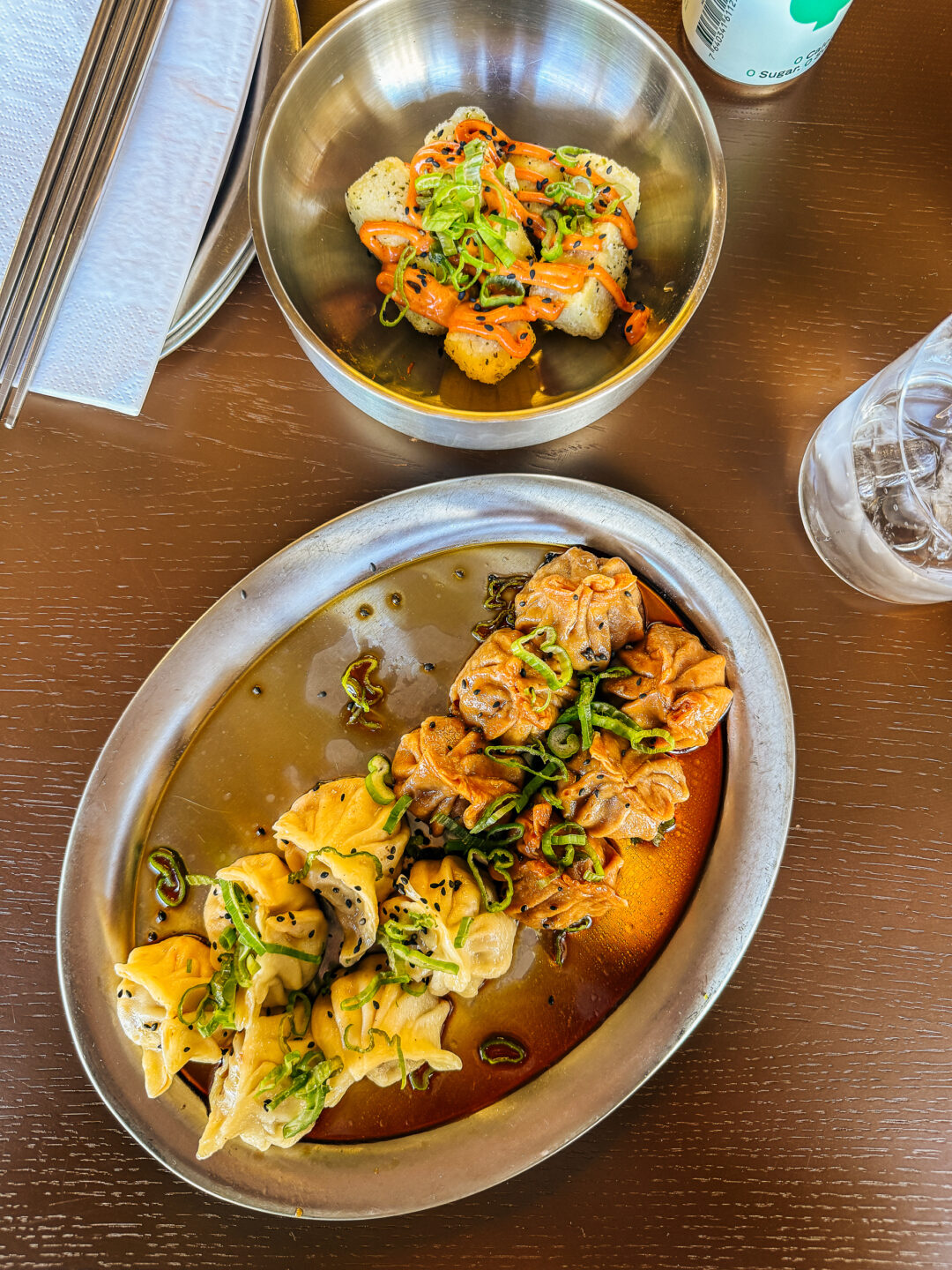
This is undoubtedly one of Yume’s greatest strengths. When recipes are updated, it’s not just to address customer feedback, but to solve a very concrete problem: how to maintain consistent quality while producing enough? Olav specifically cites the production of dumpling dough discs: “We decided to use a machine, but that doesn’t mean we’ve given up on making things by hand. It’s more about eliminating repetitive tasks that are exhausting and hinder consistency.”
The philosophy is clear: streamline processes without compromising quality. Yume Dumpling Bar is returning to its roots: a menu that changes less frequently, where the all-time classics remain. The logic is simple: if the main recipes are perfected and consistent, the chefs can focus more on new creations.
Still Here
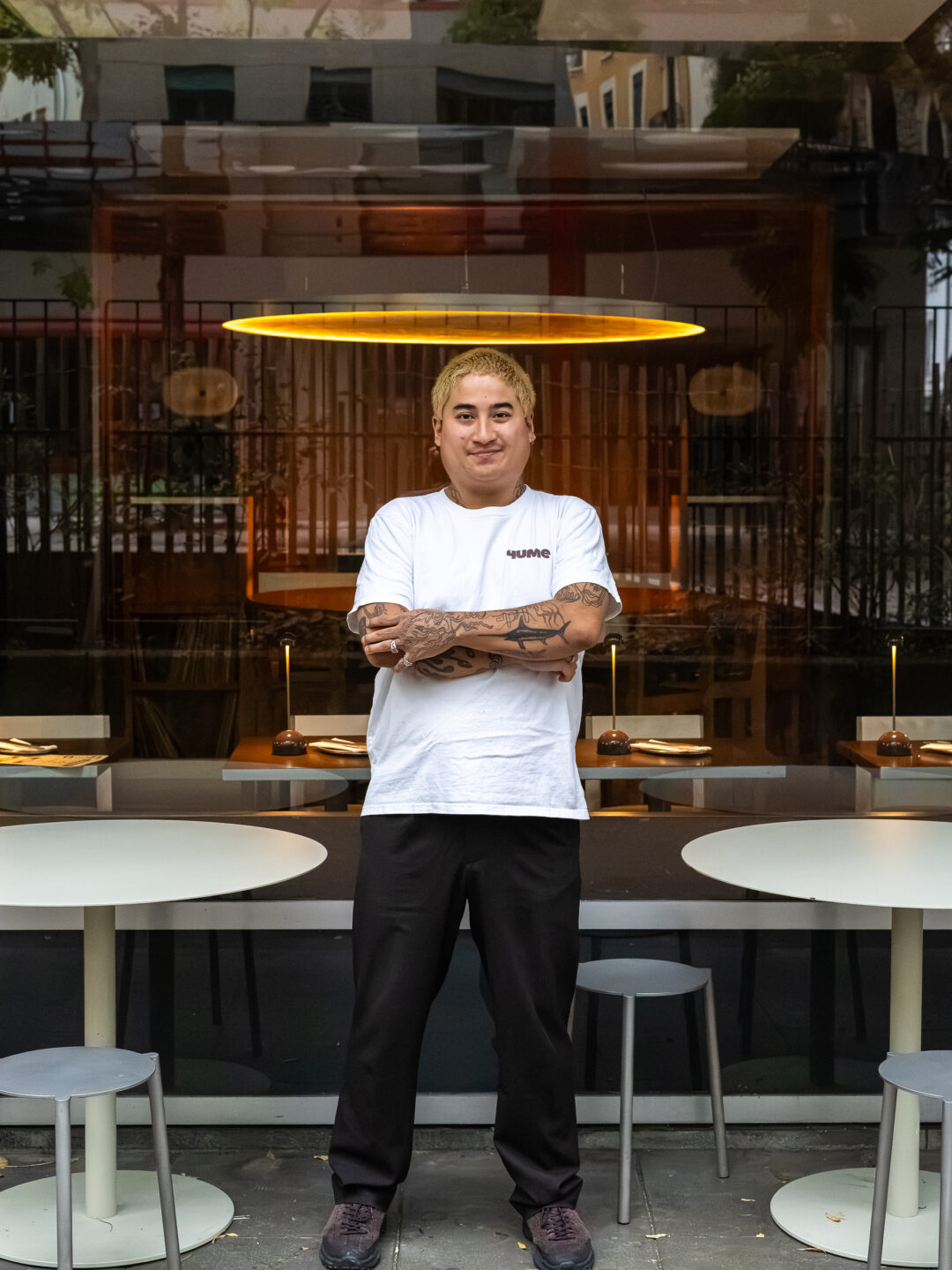
Today, Olav remains cautious. He talks about having “survived” his first year and gradually gaining confidence. With his feet firmly on the ground, he describes himself as someone who thinks big but refuses to get too far ahead of himself. While criticism might have bothered him at first, he’s confident in the quality of his food, cocktails, and service, and feels less affected by it now. And what’s next? He aims to outsource production and serve his cocktails at events elsewhere, and he shows a genuine desire to focus on the present and get things right before moving on to the next step.