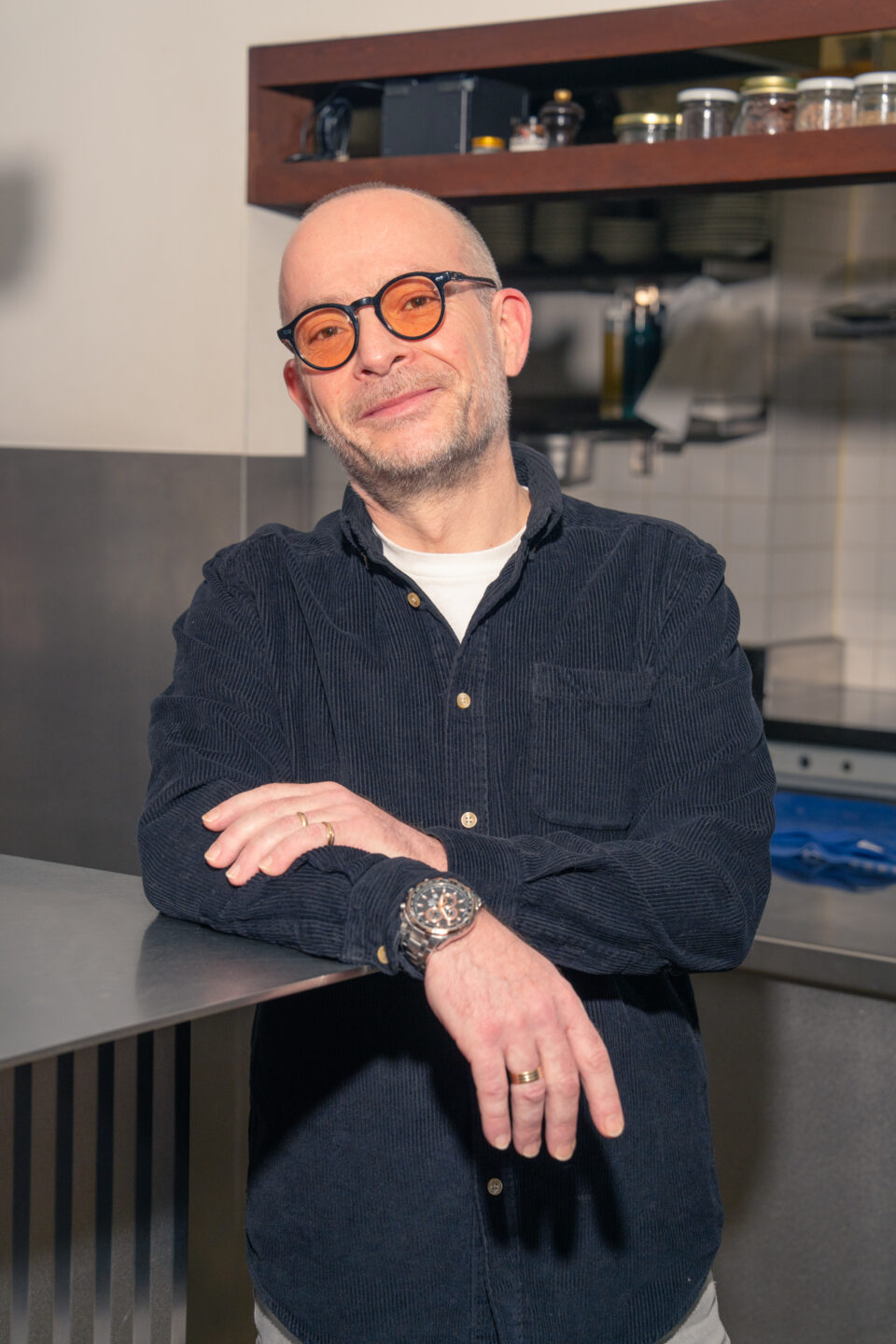
Jacky Piraud, Bombar’s man in the shadows

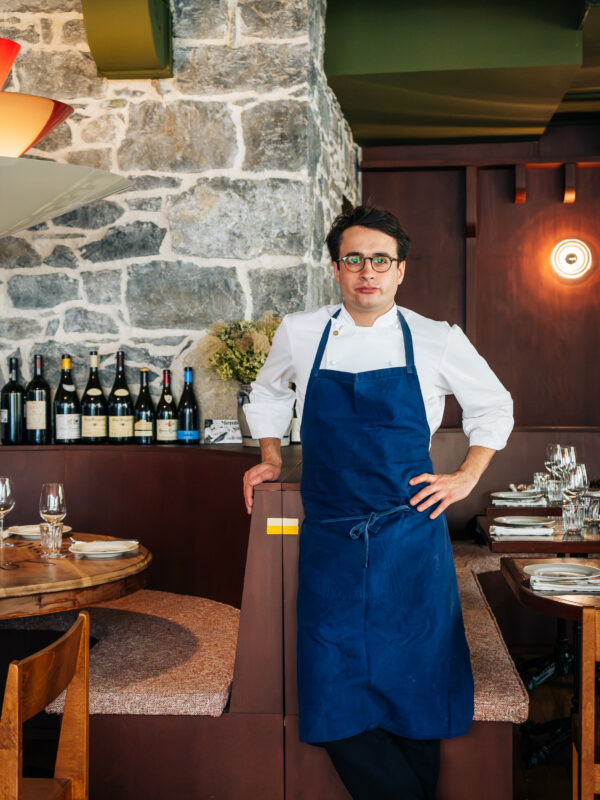
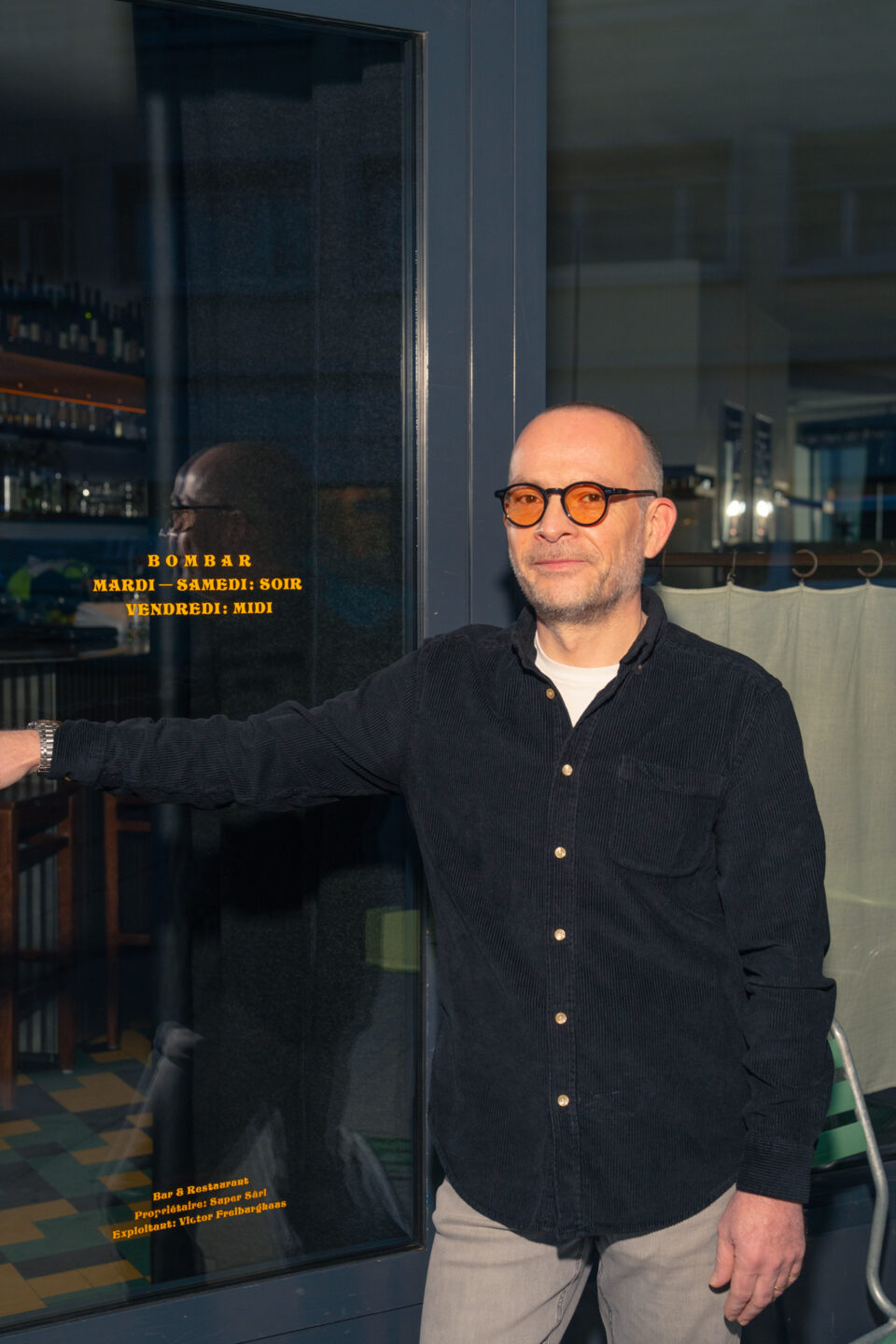
He says it at the outset, almost apologetically: “I’m a man of the shadows.” It’s the kind of phrase that, in a bar, should fade away amid the clatter of glasses. But at Bombar in Geneva, it hangs on the counter. Because Jacky Piraud may prefer to be behind the scenes, but there are people who notice him. This young man in his fifties doesn’t overplay his hand. He doesn’t talk about himself like a CV. He goes by memories, by encounters. And with a single question, the only one he considers really useful: what was it about childhood that triggered all this? The need to serve. To receive. To be alive among others.


Le Train Bleu
He could have followed in his father’s footsteps by becoming an upholsterer: precise gestures, stitching, meticulousness. But Jacky needs movement. Noise. The world. He puts it simply: he liked going out, he liked the atmosphere, and he also liked the idea of making a quick buck. The restaurant business was alive. There’s a very French conviction, and a very true one too: if you want to learn, you have to go through Paris. His sister lived there, near the Bastille, and opened the door for him. Jacky stayed for nine years, from the end of 1992 to 2000. And in the middle of those years, a fortress: Le Train Bleu at the Gare de Lyon.
He refers to it as a kind of immunity. Over there, you don’t play games: you cut in the dining room, you flame, you prepare in front of the customers. Crêpes Suzette, steaks au poivre, tartars, sliced meats on a pedestal table, millimetric gestures under the watchful eye. As a chef de rang, a room with 300 covers per service teaches you to breathe under pressure. From this experience, he retains not the gilding, but the soul. At the time, the place was still run by a family whose members made a point of dropping in to say hello. They know. They embody. Then things changed, it became bigger, more impersonal, more profitable. Jacky senses the shift. A decade in Paris is enough. He goes home to breathe.
One Sunday morning, on his way to fetch the bread, Jacky bumped into a childhood friend living in Switzerland. “Everything is possible, everything remains to be done”, he says, before offering to accompany him for the season. Jacky followed him, arriving in Geneva at the end of the 2000s, looked around a bit, turned a corner… and landed in Nyon, at Cheval Blanc, with Didier Morel: a raw and tender Southern chef, obsessed with fresh produce.
Wine immersion
A landmark stop in Carouge at the Café des Négociants (2003-2010) alongside Sam Sebti and Franck Heydens, where he rediscovered wine for good. In this bistro in the Cité Sarde, everything changes: you taste! You don’t uncork without passing the glass around. Even in the middle of service, even with the terrace “running at full speed”. And above all, it puts the foot in the world of natural wine. Not a posture: a school of taste and sincerity.
Then comes the entrepreneurial adventure that sounds like an insider’s dream: À Bout de Souffre (2018-2020) again with Franck Heydens. No a la carte, no menu, no listed wines. Customers confide their allergies, their refusals, and the bosses compose. Whole fish, four-, five-, six-, eight-course menus, broths, dashis, raw and cooked, “you know you’re going to eat turbo, but you don’t know how”. And then the Covid arrives. He hands over the keys. End of race.
Bombar: everything in the shaker
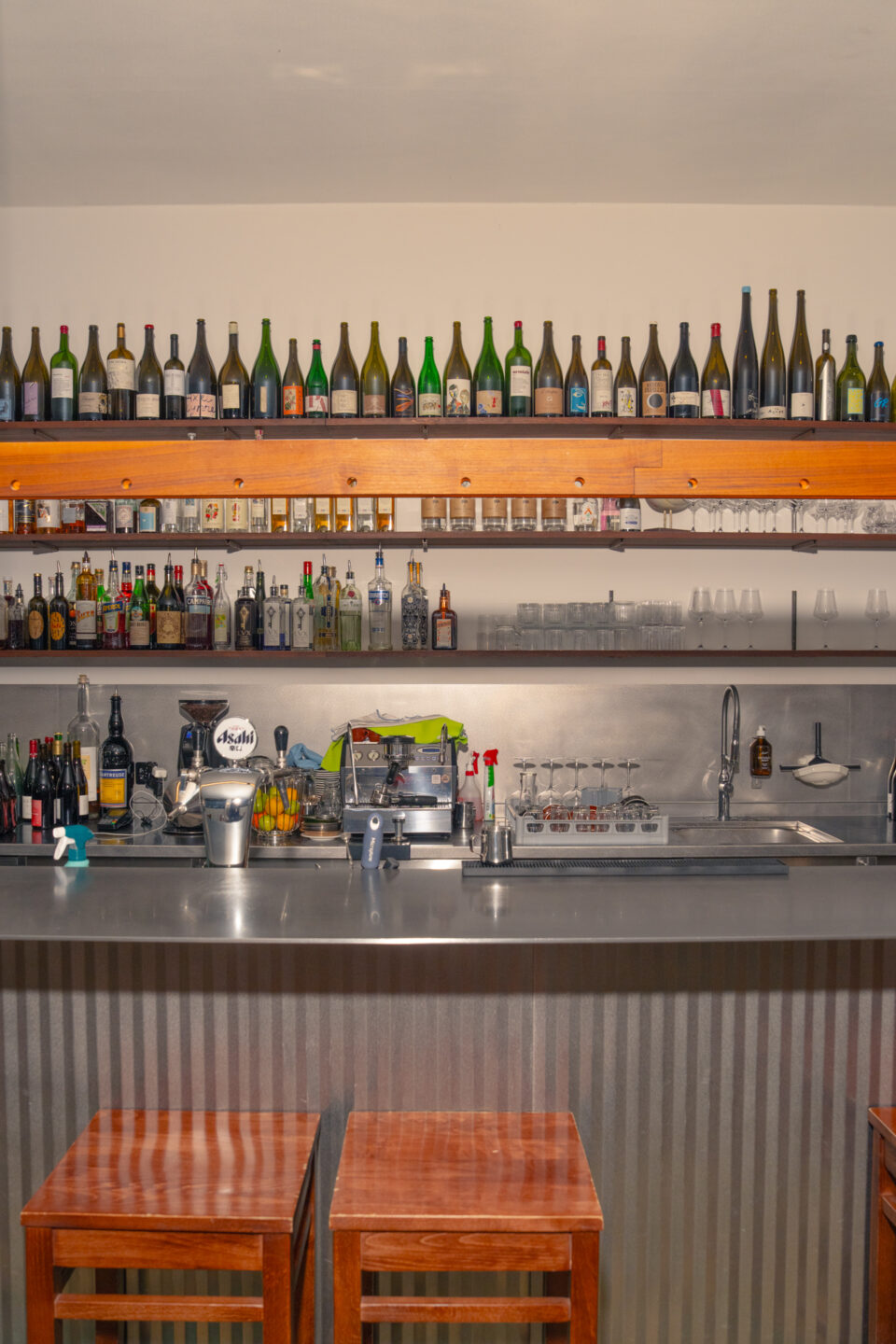
And that’s where it all comes full circle: in 2021, Jacky scooters into Place des Augustins, bumps into Francis Bernier and it’s all over again. A drink, a hug, a simple phrase: “Come next week. He meets the owner of Le Bombar, Marc Popper. And it’s been going on for five years! What’s striking, when you listen to Jacky talk about Le Bombar, is the sense of alignment. It’s as if every bit of the route has been useful. Le Train Bleu for mastery and gestures. Les Négociants for wine and taste. À Bout de Souffre for its audacity, its no-nonsense approach, its art of guiding without a menu. And Geneva, above all, for this way of existing in the trade without getting lost in it.
Jacky isn’t stuck behind a counter. Nor is he locked in a room with a posture. He moves around, he feels the atmosphere, he keeps the rhythm. He can be on the front line and then backstage. A man of the shadows, yes – but one who puts the light in the right place: on the product, on the team, on the customer when he deserves it, on the gesture when it’s right.
The last dance
And then there’s this sentence, almost definitive, said without trembling: “This is my last job.” It’s not fatigue. Rather, a sense of satisfaction. At the age of 52, he has found a place where catering still resembles something alive and kicking: a collective adventure, a boss who federates and protects, a way of working that respects people as much as glasses.
He doesn’t pretend that times are easy – he knows all too well what a service costs, what happens to bills, what people dare to write online. But he has that rare stability: he’s not there to “exist”. He’s there to keep things running, cleanly and sincerely. And that’s exactly why he gets noticed. Even when he wants to be discreet.