Benjamin Breton: an instinct for place
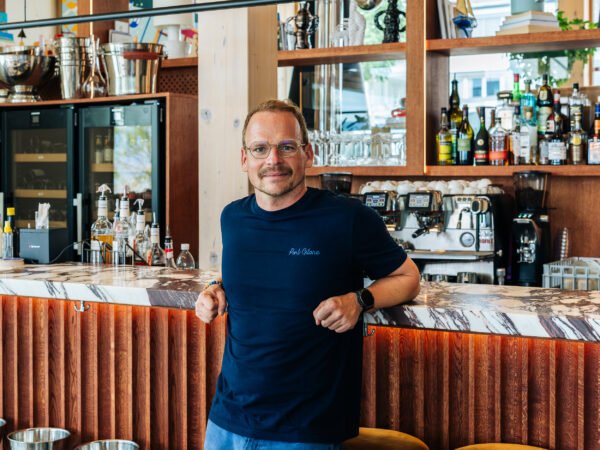
He advances quietly, but with a determination that leaves nothing to chance. By taking over Radicelle in Veigy, Benjamin Breton is pursuing an entrepreneurial path that’s as demanding as it is inspired, faithful to a cuisine that’s very much like him: rooted in the product, punctuated by the seasons, and driven by a deep respect for the men and women around him. Behind the apparent evidence of his success lies hard work, self-sacrifice and real strength of character. Meet a chef who, without ever betraying his line, continues to write a gourmet story as sincere as it is generous.
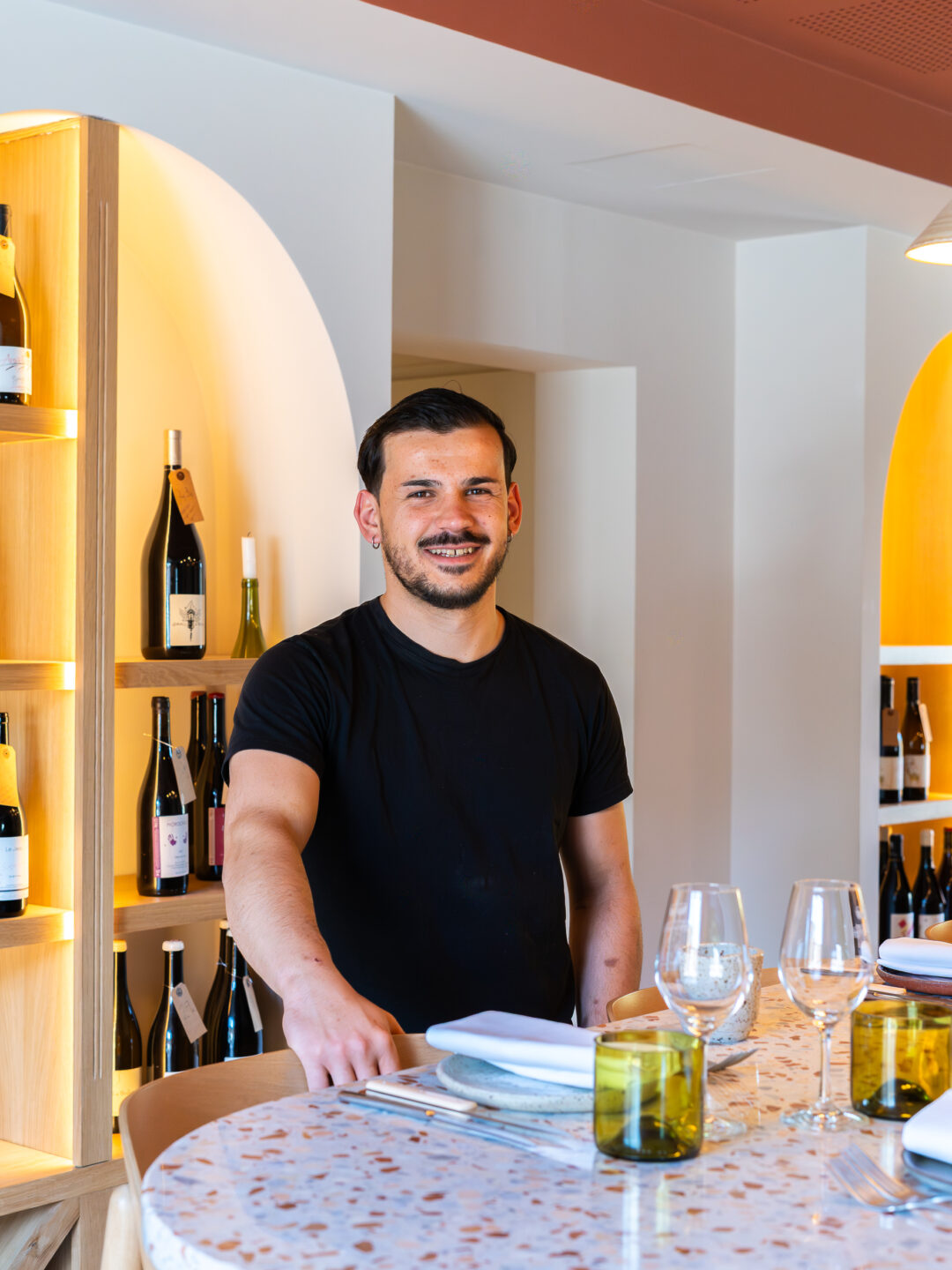
Before talking about projects, a simple question – how are you?
I’m fine. It really is. There’s still a lot of energy, even if the questions are getting more numerous. But the meaning behind it all constantly refuels the machine. It’s not easy, but the adventure is clearly worth it.
Can you tell us how the Radicelle project came about?
Very organically. From the outset, we’ve worked with two vegetable growers, including Didier Raymond, in Veigy itself. I go there almost every day. And this place… there was something obvious about it. A strong location, a real central square in the heart of a village, close to the church, the town hall and, of course, Switzerland. We visited it and fell in love with it immediately – although we totally underestimated the scale of the work involved, of course (laughs). But we went in convinced. And very quickly, the project grew beyond the restaurant.
What do you mean by that?
The idea is not to open places for the sake of opening places. It’s about recreating living spaces. In France, many villages have become dormitories. The hearts have disappeared. We want to reactivate them. Bring people together. Bring people back together around a table, a drink, a moment.
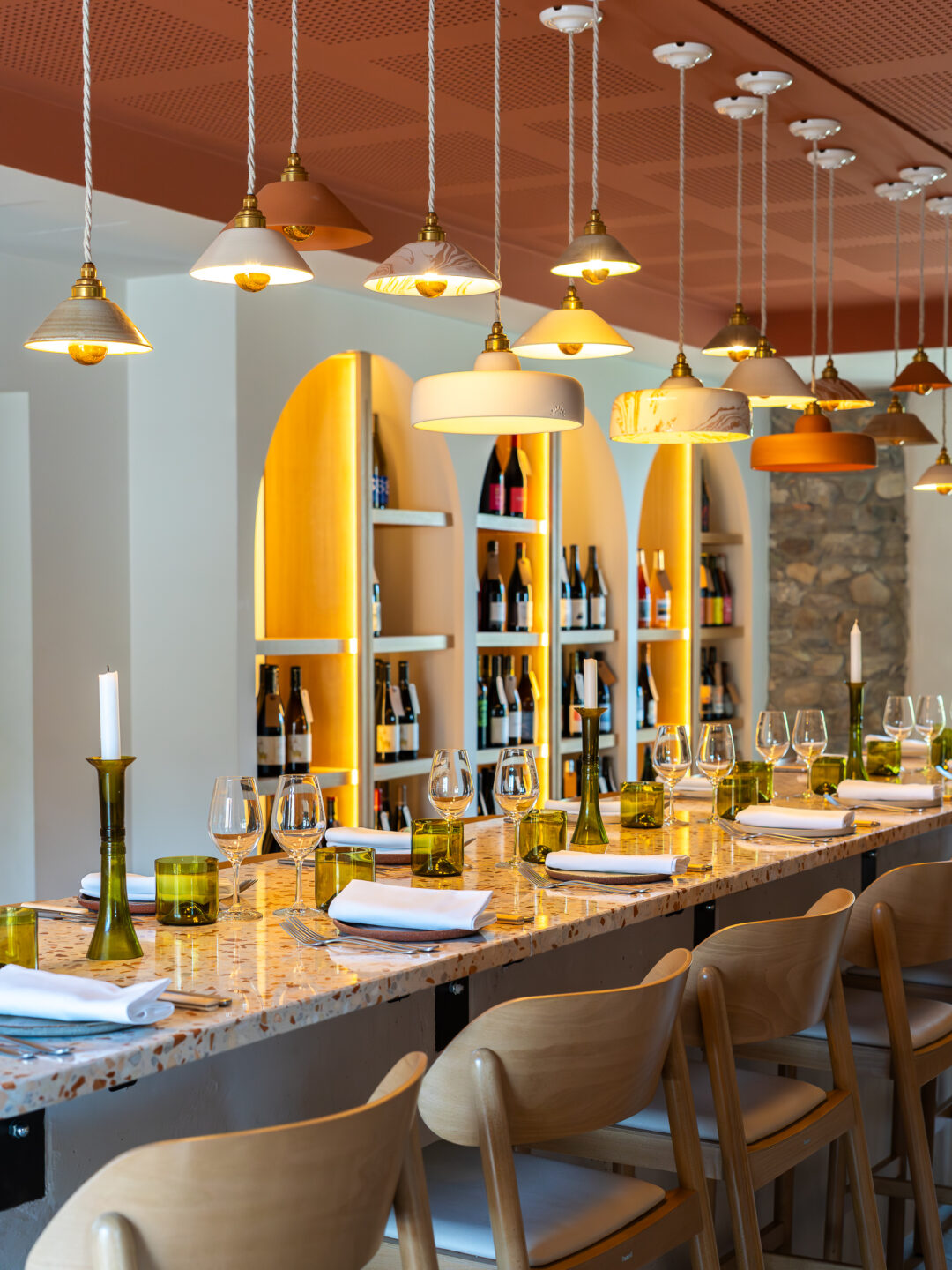
Hence this hybrid format: restaurant, table d’hôtes, grocery store…
Exactly. We didn’t want to copy and paste the Bistrot Madeleine. Every place must have its own identity. And here, the space lent itself to that. There’s also something very personal: all these products we love, these winemakers, these craftsmen… We wanted to bring them to life in a different way. We wanted people to be able to come and have a drink, eat, or simply leave with a skittle or something to cook. It’s a free place. And we like that.
How did you come up with Radicelle in the first place?
A blank sheet of paper. But with one obsession: that the place be embodied. Today, many places lack soul. Here, we wanted it to be driven by people. In the kitchen, in the dining room. Kevin Giraud, Mallaury Girod… people who have been there since the beginning. We gave them room to express themselves. It all happened naturally. Because it’s a story of time and relationships built up over years. Kevin, for example, had left. And he came back. Because he missed what we were doing. You can’t invent things like that.
And on the plate, what’s the culinary impulse?
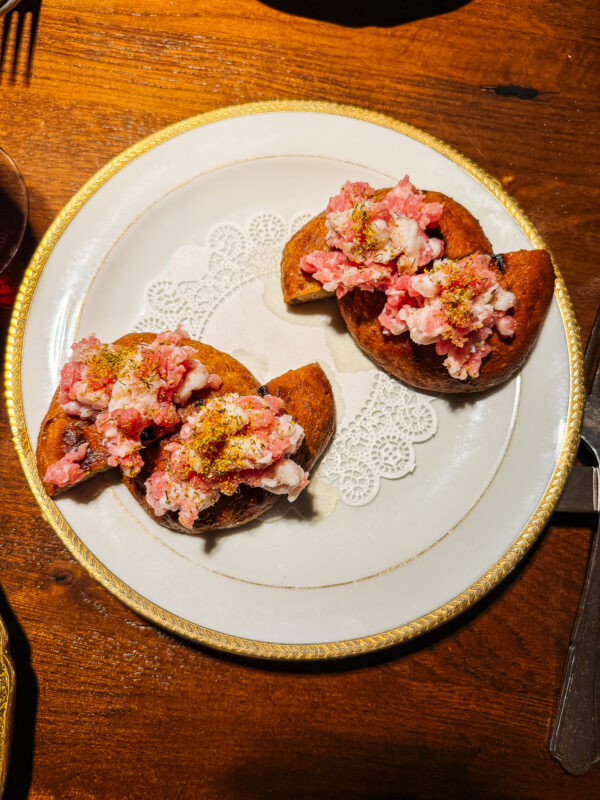
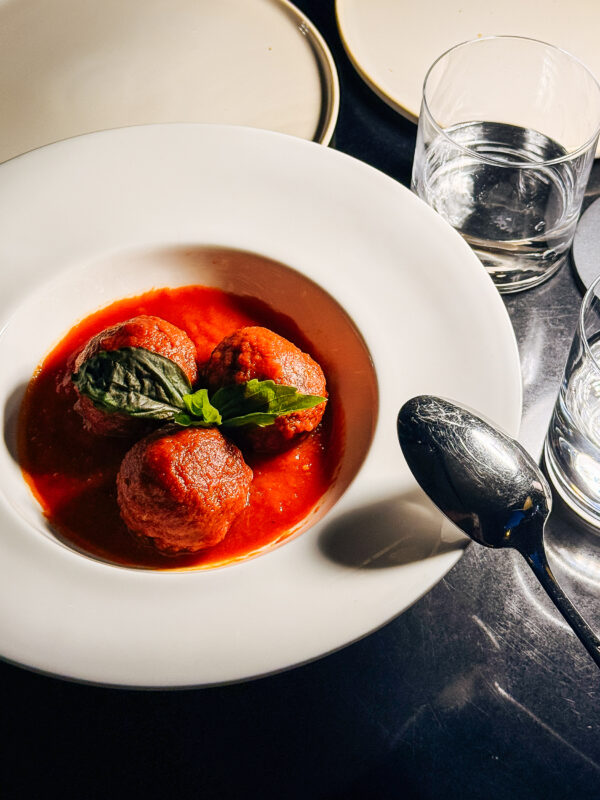
It’s hard to define… and in the end, it’s voluntary. It’s a product cuisine, very free. Almost selfish. We always ask ourselves: what would we like to eat with our friends? It’s spontaneous, raw at times, and above all, easy to read. It has to be something that everyone can relate to, from the 85-year-old guest to the youngest foodie. And then there are our markers: the sauces, certain products that we bring back to the fore, a form of self-assumed regression. But without ever losing precision.
Five years on, where does Bistrot Madeleine stand?
At the end of a cycle, I think. We’ve managed to turn it into what we imagined. A real house, with regulars. And that’s essential. Seeing faces come back. Now we want to make it evolve. Simplify it, make it even clearer. More of a bistro, in the deepest sense of the word, with a slightly broader menu, classics, work in the dining room, cuts, pies, pithiviers… something lively. And above all, eventually, a place that’s open all the time. A place where you can go without thinking.
Last question… what’s your connection with Geneva?
Very strong. It’s a city that has shaped me. I’ve made some decisive encounters here. I like its rigor and the way it works. I’m a big fan of Switzerland in general. If we settled on the French side, it was also for a question of freedom. But we always wanted to stay close. And come back one day? Yes, of course. If we have to, we will. Through an encounter, an obviousness.