Mikaël Grou, a Winemaker-Athlete
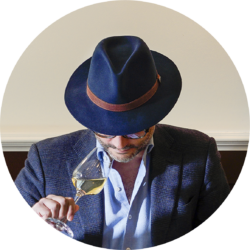
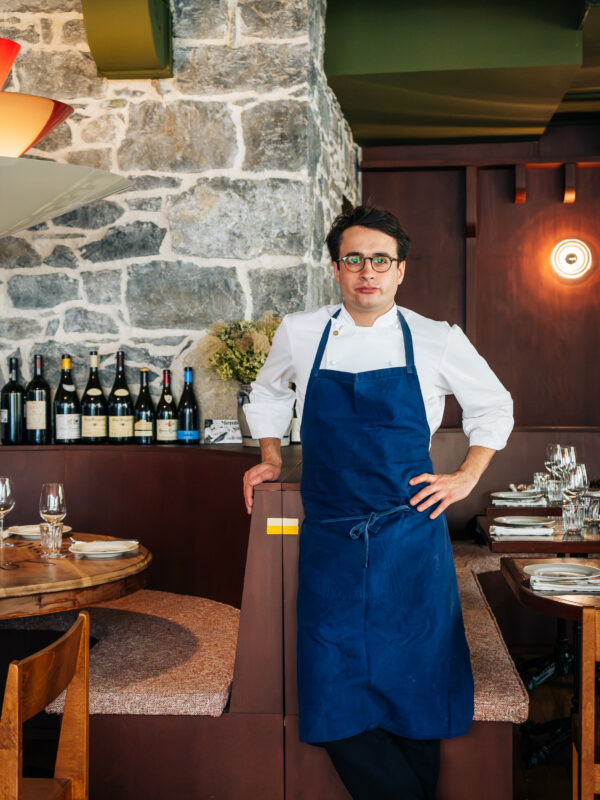
During our conversation with Mikaël Grou, it quickly becomes clear that his qualification for the World Sommelier Championships is just the tip of the iceberg. Behind this selection lies a level of preparation that more closely resembles that of a top-level athlete than the idyllic image we sometimes have of a sommelier.
IA Wine
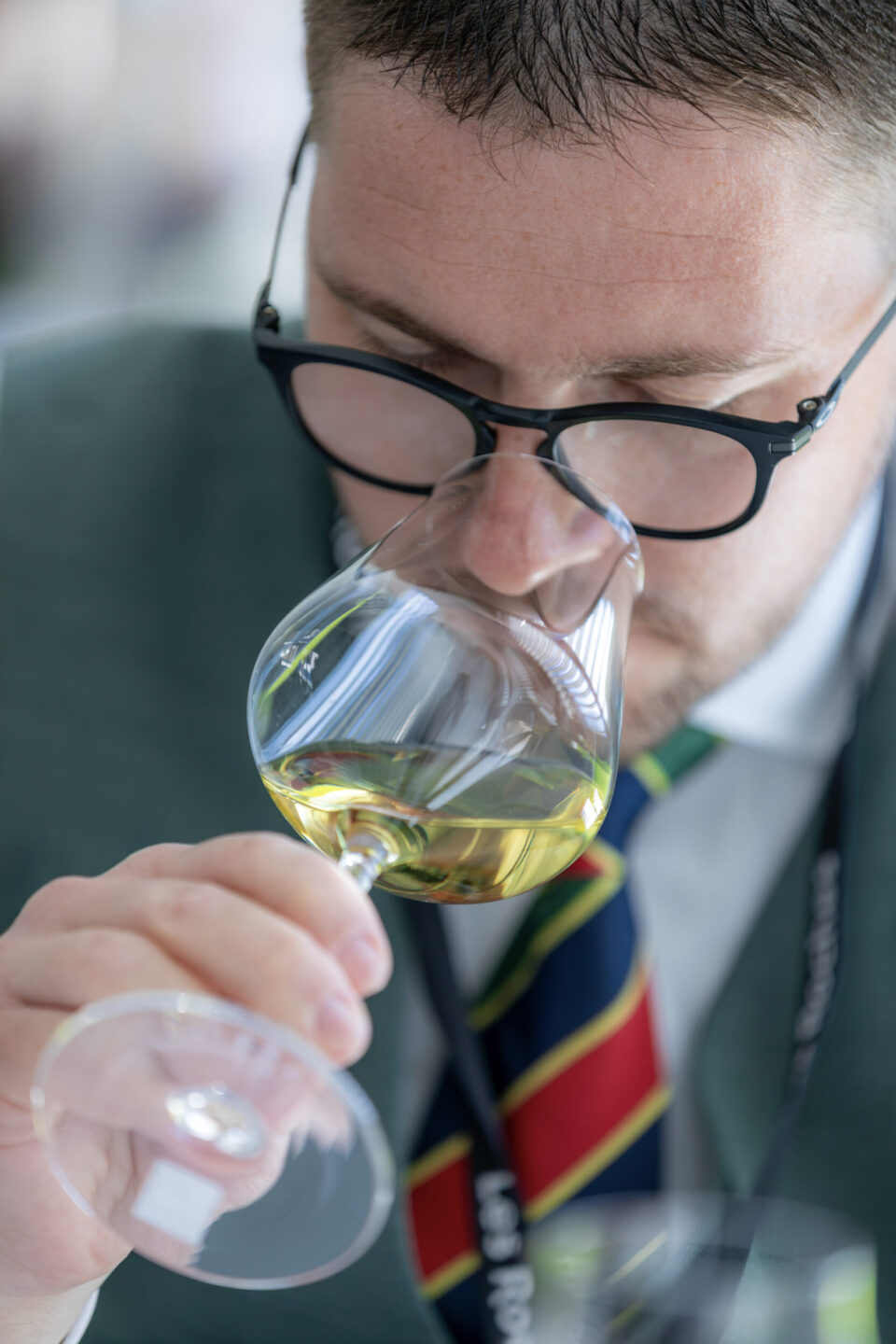
For several months, the head sommelier at the Four Seasons Hôtel des Bergues in Geneva engaged in a series of tastings, training sessions, role-playing exercises, and hours of reading and memorization. Because a World Championship doesn’t just reward someone who can recognize a wine. “ “Knowledge accounts for a large part of the work, but it isn’t necessarily the most impressive aspect,” he explains. The jury also evaluates analytical skills, general knowledge of wine and gastronomy, open-mindedness, and, above all, how a contestant performs under pressure.”
Times are changing faster than wineries, by the way. Among the topics now appearing in competitions is… artificial intelligence. “I’ve already tasted a wine made using AI. It wasn’t the best wine of my life, but it was a good wine. You have to keep up with the times,” sums up Mikaël Grou. This constant curiosity sums up his vision of the sommelier’s craft quite well. Promoting Swiss wines, of course. But without ever limiting himself to them. “We’re fortunate to have a very diverse wine region. We’re proud of that. But I also think competition is healthy when it’s based on quality.”
The Mentor
The assessment is clear. Swiss wines appeal to visitors discovering the country, fill the cellars of wine enthusiasts, and naturally find their place on the wine lists of top restaurants. Yet, internationally, their reputation remains limited. “Customers who come to Switzerland really appreciate our wines. On the other hand, on the global market, Switzerland isn’t very well positioned yet.”
Paolo Basso holds a special place in Mikaël Grou’s career. Crowned the world’s best sommelier in 2013, he is more than just a champion. “He’s an example of perseverance that has almost become a philosophy,” notes Mikaël. This idea of constant improvement is also reflected in his preparation and does not rely solely on books or tastings. It is fueled by a network of colleagues who, over time, have become training partners, both in Switzerland and abroad. Advice circulates, sometimes regarding details that are almost anecdotal. “A former contestant told me that at the World Championship, the answer to a question was actually… on the cover of the magazine left in the contestants’ hotel rooms!”
It’s all in the details…
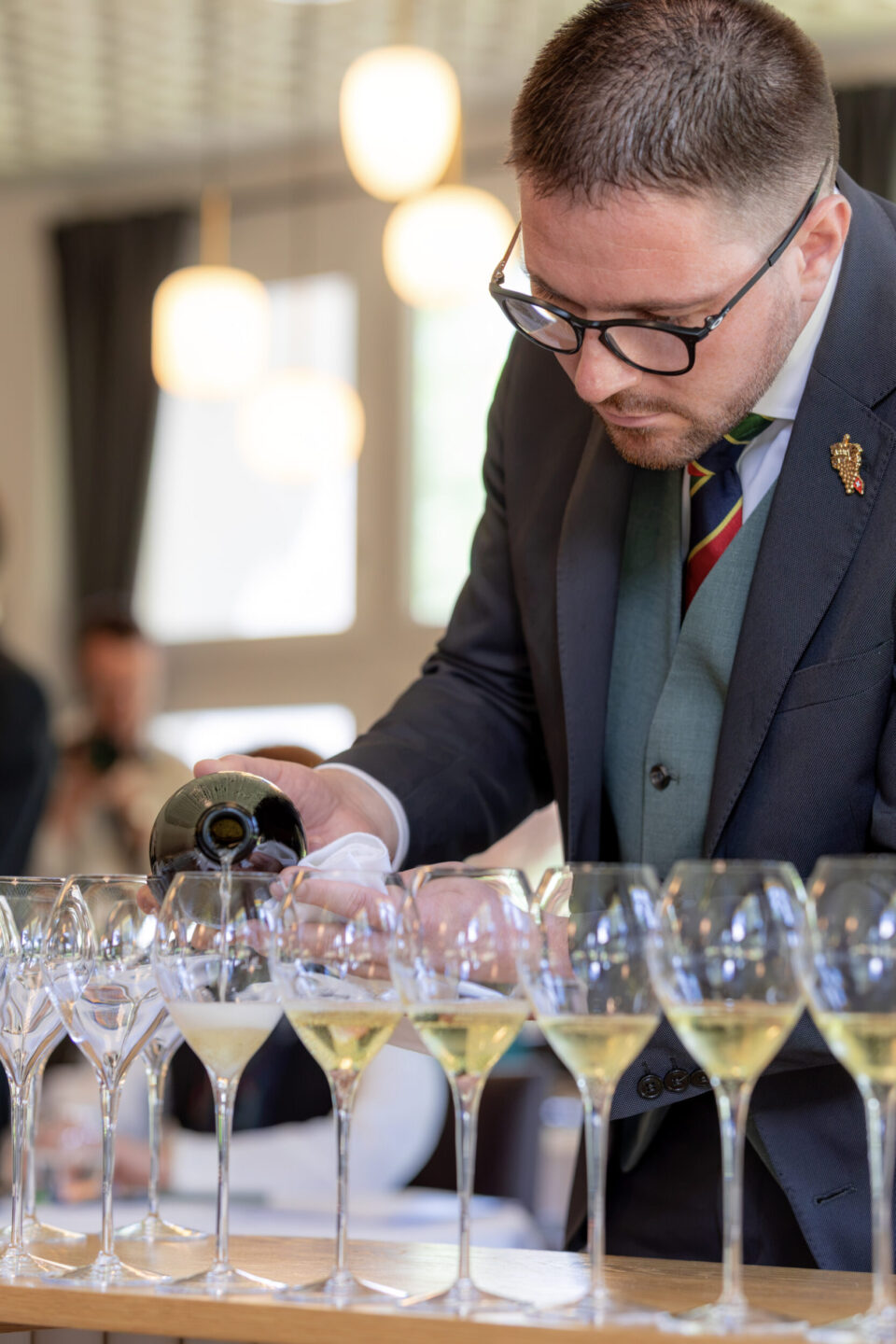
When it comes down to it, maybe that’s what a world sommelier championship is all about. Of course, you have to be able to identify an Austrian Grüner Veltliner, an Australian Sémillon, or an Argentine Torrontés. You have to recognize the same wine when it’s served twice under different conditions. You have to know thousands of wines by heart.
But you also have to know how to manage your stress, stay curious, notice what others overlook, and accept that the biggest differences sometimes come down to the smallest details. In Lisbon, Mikaël Grou will be representing Switzerland. “You’re representing your country, but the performance is still an individual one. You can be perfectly prepared. But if you don’t manage your stress well on the big day, everything can fall apart.” Perhaps that sentence also sums up his profession. Be ready. Observe. Adapt. And keep learning, glass after glass.