Just for… tartare!

Let’s ask an essential question that is often overlooked: for which specific dish would we choose an address? A dish that guides the decision, that even takes precedence over the place. A finely prepared salad, a pizza that’s both crisp and soft, a tasty and generous schnitzel Milanese, or a comforting fondue that brings people together. The answer is just as clear-cut.

Classic of classics
For this first edition, the choice couldn’t be more appropriate. Tartare is an absolute classic, equally at home in bistros, hotels and brasseries. This seemingly simple dish demands impeccable execution. It is sometimes prepared in the dining room, offering a veritable culinary spectacle. A vivid memory: a pedestal table at the Beverly Hills Hotel, a crisp white jacket, a Bloody Mary at the ready.
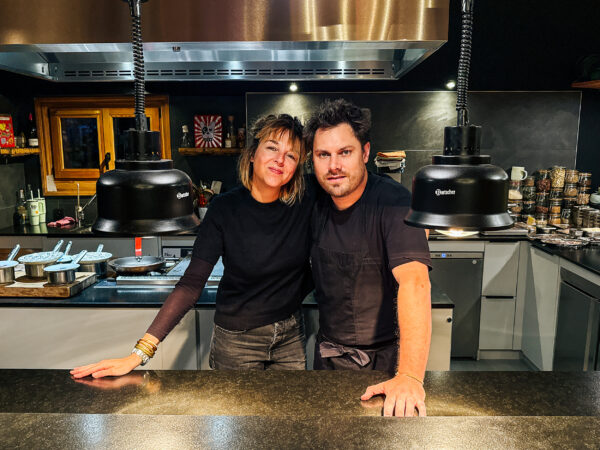
Back to Geneva, where there’s no shortage of establishments to satisfy that craving for raw meat. Some suggest renaming the tartare to “crudo”, depending on the trend, but here it’s beef tartare. The place to go is Patio Rive Gauchea popular Genevan institution that remains true to its heritage. In the kitchen, Richard Terrochaire and Rodolphe Estio-Braud create a precise and tasty tartare, enhanced by a personal touch that brings out the best in the product.
Pointe de Cognac
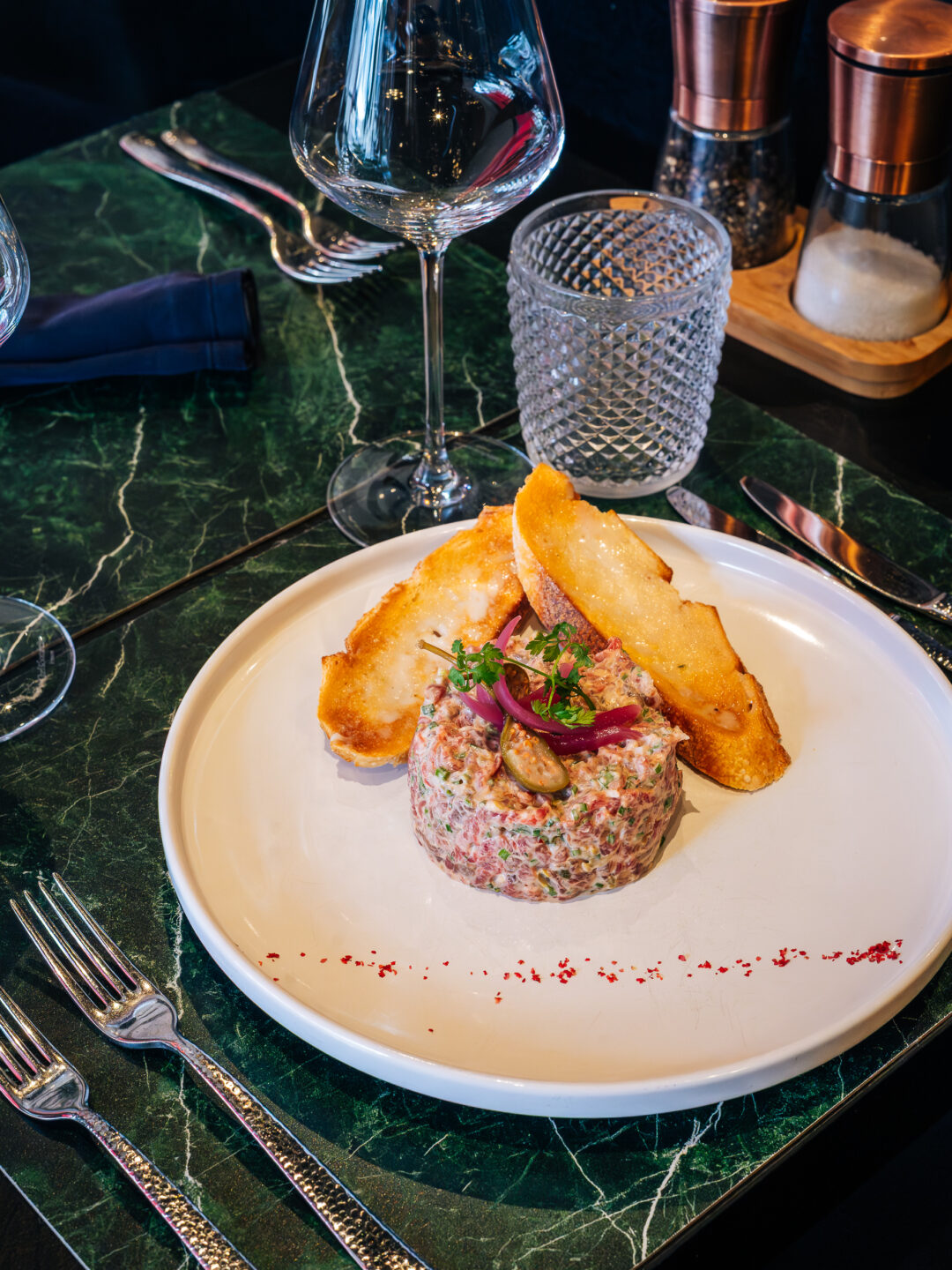
Tartare relies on a few essential elements: impeccable meat, finely cut with a knife, precise seasoning and that extra touch of soul that elevates the whole. At Le Patio, the basic recipe remains classic: egg yolk, mustard, Espelette pepper, all emulsified in oil for extra creaminess. To these basics are added the must-have ingredients: capers, gherkins, shallots, chives, a few drops of Worcestershire sauce, a dash of Tabasco and a hint of cognac.
The meat, cut into small cubes with a knife, comes exclusively from the heart of the rump to guarantee a melt-in-the-mouth texture and pleasant chewiness. It is carefully blended to create a tartare that is both creamy and assertive. This tartare is served simply with hot buttered toast, and, for connoisseurs, optional French fries. The recipe changes with the seasons: bear’s garlic at present, tomato-burratina soon, then richer versions, such as truffle, foie gras, ceps or Roquefort. In this way, a single base gives rise to multiple interpretations.