Charles Lachaux and the Michelin Grappes: Beyond the Awards

Each new edition of the Michelin Guide sparks its share of reactions. Stars for restaurants, keys for hotels… and now “Grappes” for wineries. In principle, the initiative is far from uninteresting. Michelin explains that it aims to evaluate a winery based on several criteria: the quality of viticulture, technical expertise, the identity of the wines, consistency, and the overall harmony of the estate. This approach goes beyond simply tasting a single bottle and, on paper, deserves to be commended.

A Method Under Scrutiny
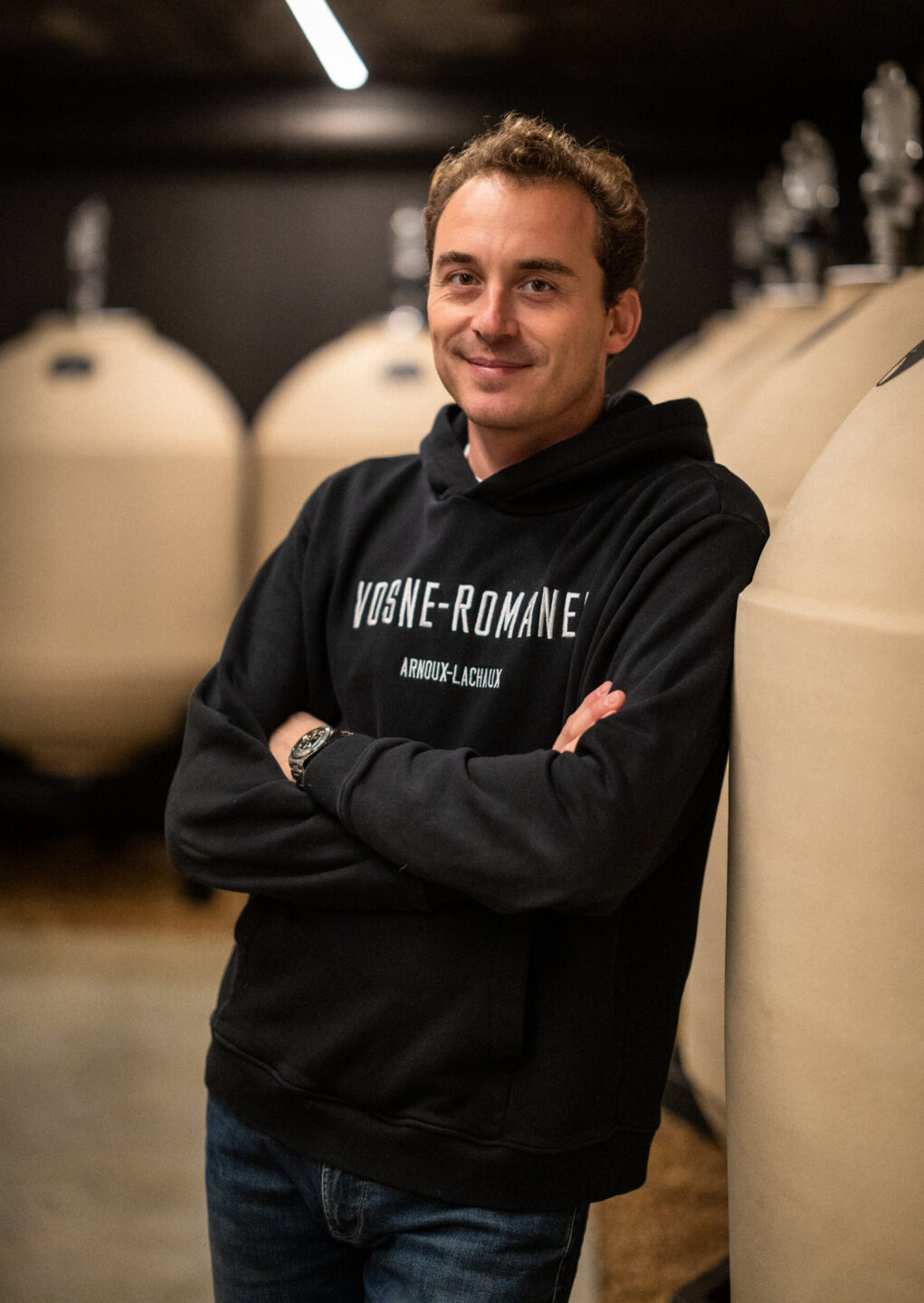
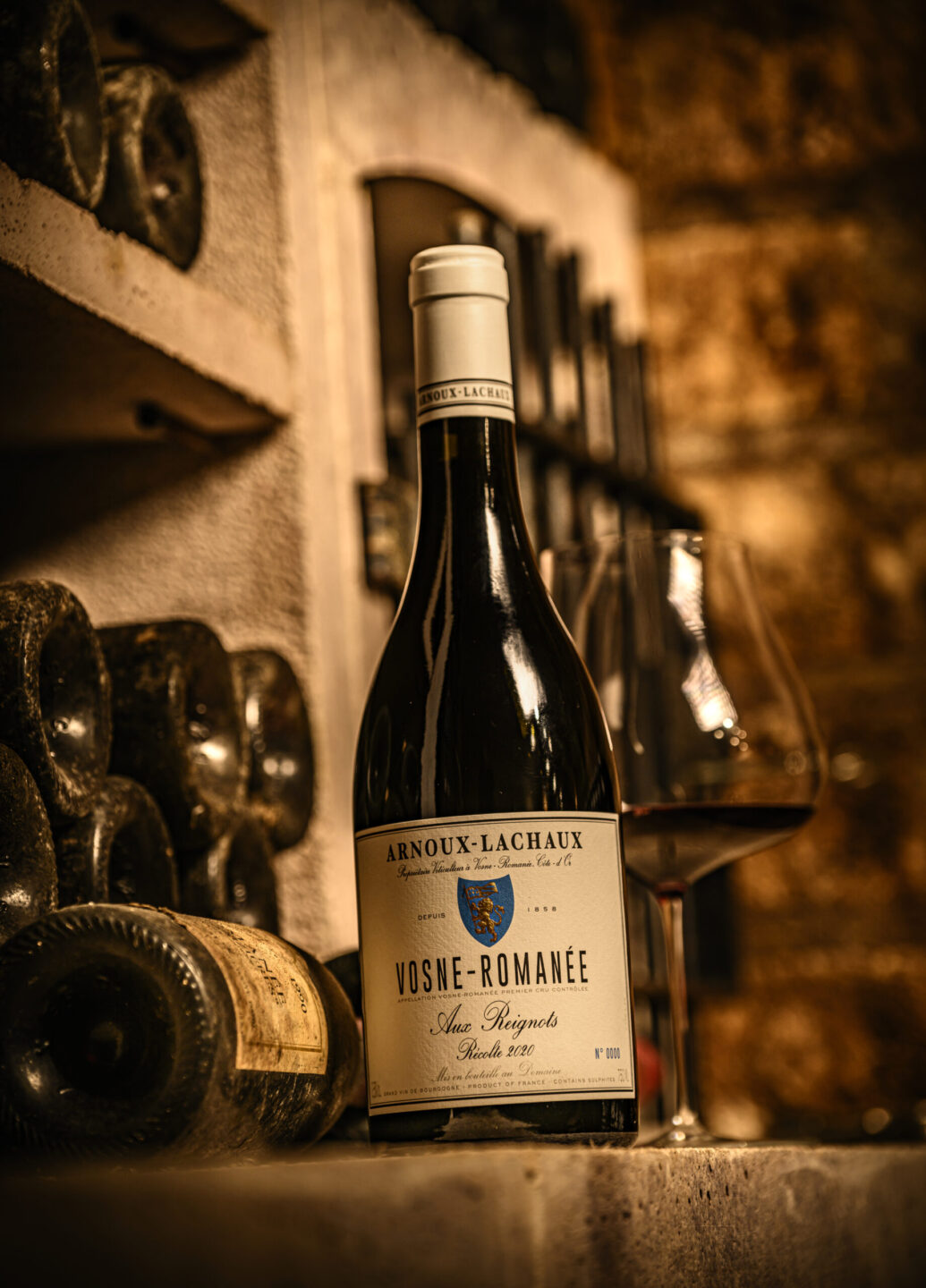
However, a few days after that first edition, a voice was raised. It was that of Charles Lachaux. The Burgundian winemaker does not dispute either the principle of the ranking or the work of the awarded estates. He even says he is happy for those who see their work recognized. His concern lies elsewhere. Since the 2020 vintage, the estate has made a conscious decision: to no longer host critics or journalists specializing in wine evaluation and rating. The last bottles released date back to the 2021 vintage, and the changes implemented in both the vineyard and the cellar have, in his view, never been evaluated firsthand.
How, then, can an award be given based on such broad criteria without having visited the estate or tasted the latest vintages? This is the question Charles Lachaux posed to the Michelin Guide. A request for an explanation has, to date, gone unanswered. The estate has even gone so far as to request its removal from the selection, arguing that it would be inconsistent to be included when it has voluntarily refused to submit its wines for review for several years.
A Story of Transparency…
Ultimately, this issue goes far beyond the case of a single winemaker. It raises questions about how an institution builds its credibility today. Michelin has always prided itself on its rare independence, funded by its own business model, with no invitations or free meals for its inspectors. It is precisely this standard that has built its reputation. But as the guide expands its scope—from restaurants to hotels and then to the world of wine—another expectation emerges: that of transparency.
On what criteria are these distinctions actually based? And to what extent do they rely on recent tastings, on-site visits, historical evaluations, or data inherited from Robert Parker, whose business Michelin acquired a few years ago? These are not accusations. They are questions.
And in a world where trust is undoubtedly the most valuable reward, these questions probably deserve answers that are just as clear as the stated criteria.