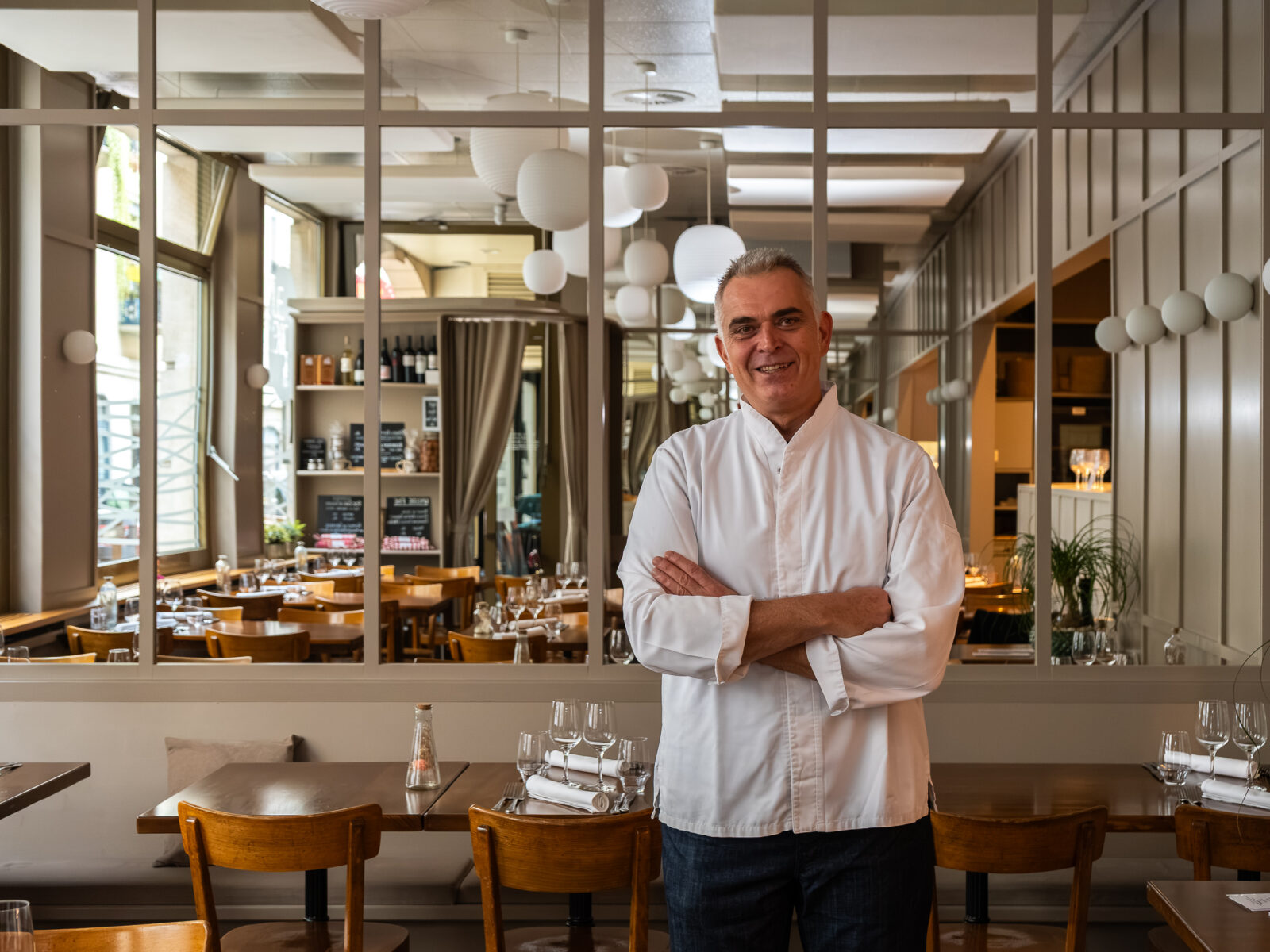
“The Hunt” by Cyrille Montanier

Edouard Amoiel
21 octobre 2026
All it took was reading a few lines from his menu to make me want to call him. Wild boar compression glazed with port, served with foie gras and chutney; roasted venison tenderloin with ginger; woodcock soufflé with porcini mushrooms… For anyone who loves hunting, like me, it’s hard not to be moved. Behind these dish names, there’s above all a chef whose voice I wanted to hear.


Great Chef
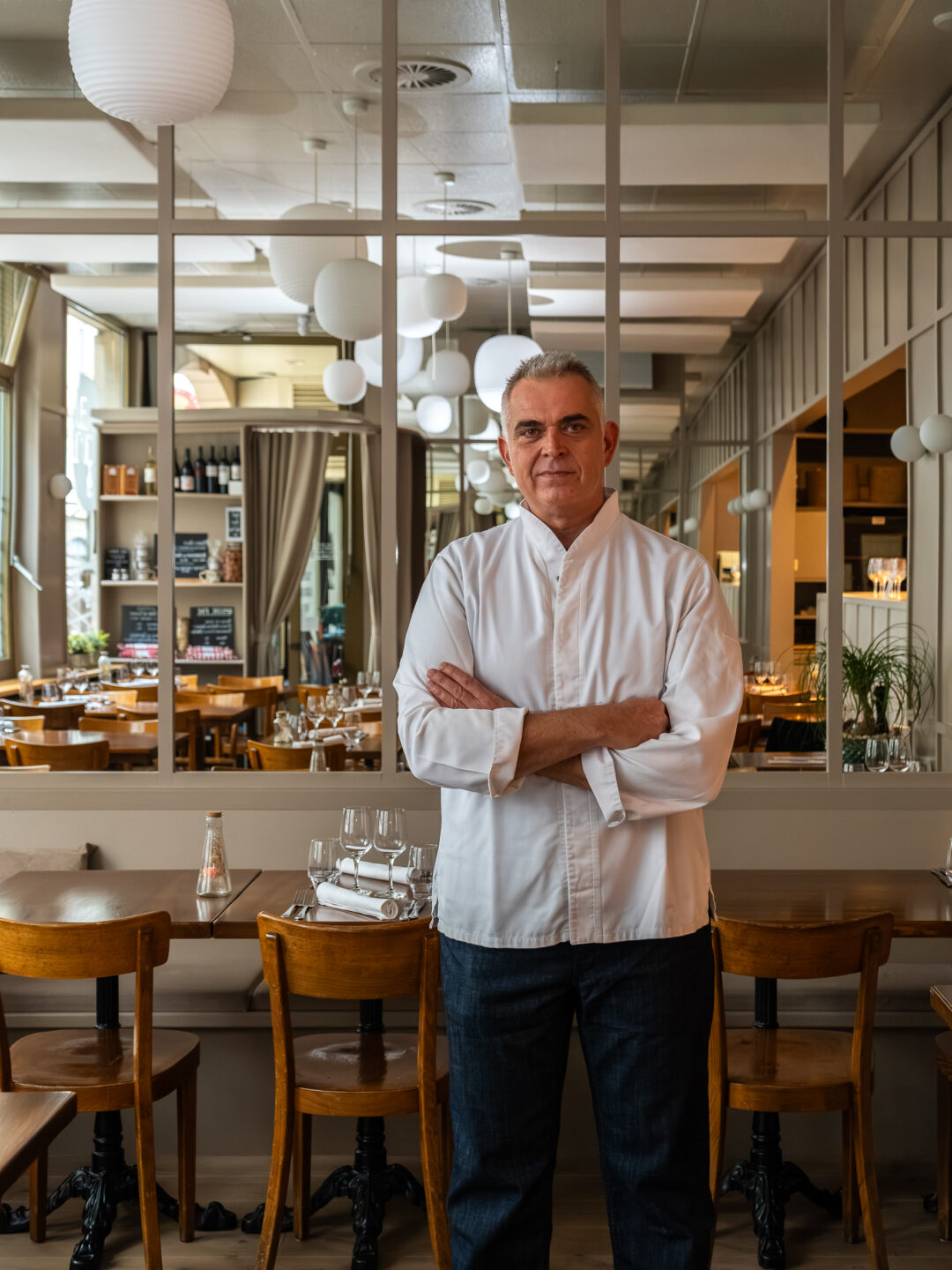
No sooner had I called him “great chef” than Cyrille Montanier corrected me: “I’m great because of my height. ” The tone is set. We’re going to talk seriously about cooking, without taking ourselves too seriously. What does fall mean to him? “Honestly, I’m having a blast!” His answer comes quickly. His mind works fast, just like during a service when he’s working alone behind the stove.
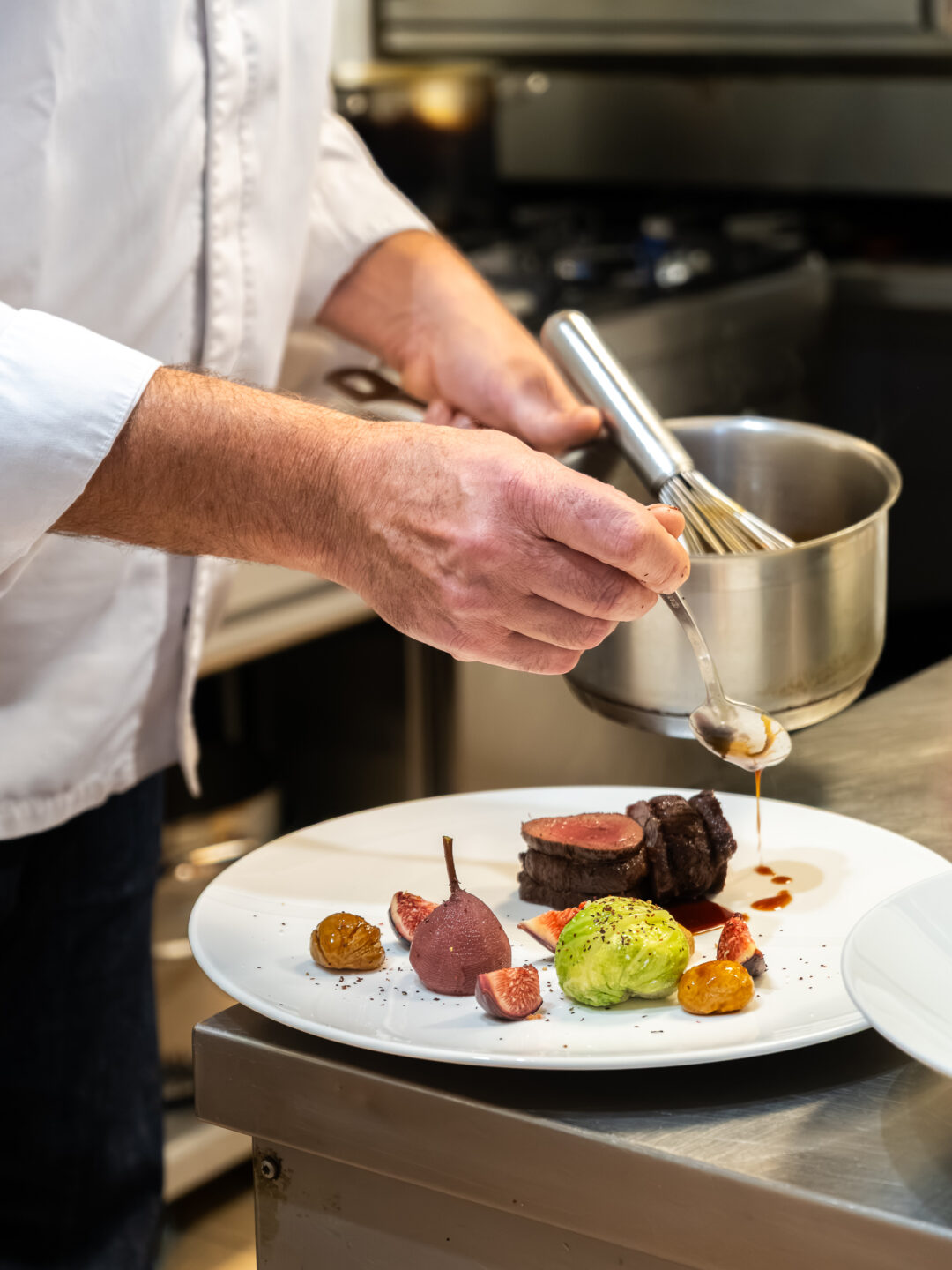
Game cooking offers a complexity worthy of the challenge. You have to pluck the birds, prepare the meat, create the sauces, and strike a balance between richness and subtlety. When paired with game, pears add sweetness, cabbage brings a hint of vinegar, and whole candied cranberries burst in your mouth. It’s a broad palette that gives him just as much to think about as there is to cook.
Luxury Homes
This sensibility developed over the course of his various culinary positions. However, Cyrille Montanier began his career by learning how to prepare fish at Le Pirate in Annemasse. This was followed by his introduction to game cooking at the Auberge du Père Bise, the classics at Paul Bocuse, and a pivotal stint working with Benoît Violier at the Hôtel de Ville in Crissier. His work with game was enriched by his involvement in the writing of Benoît Violier’s book on the subject—to which Cyrille Montanier contributed—and opened up new horizons for him.
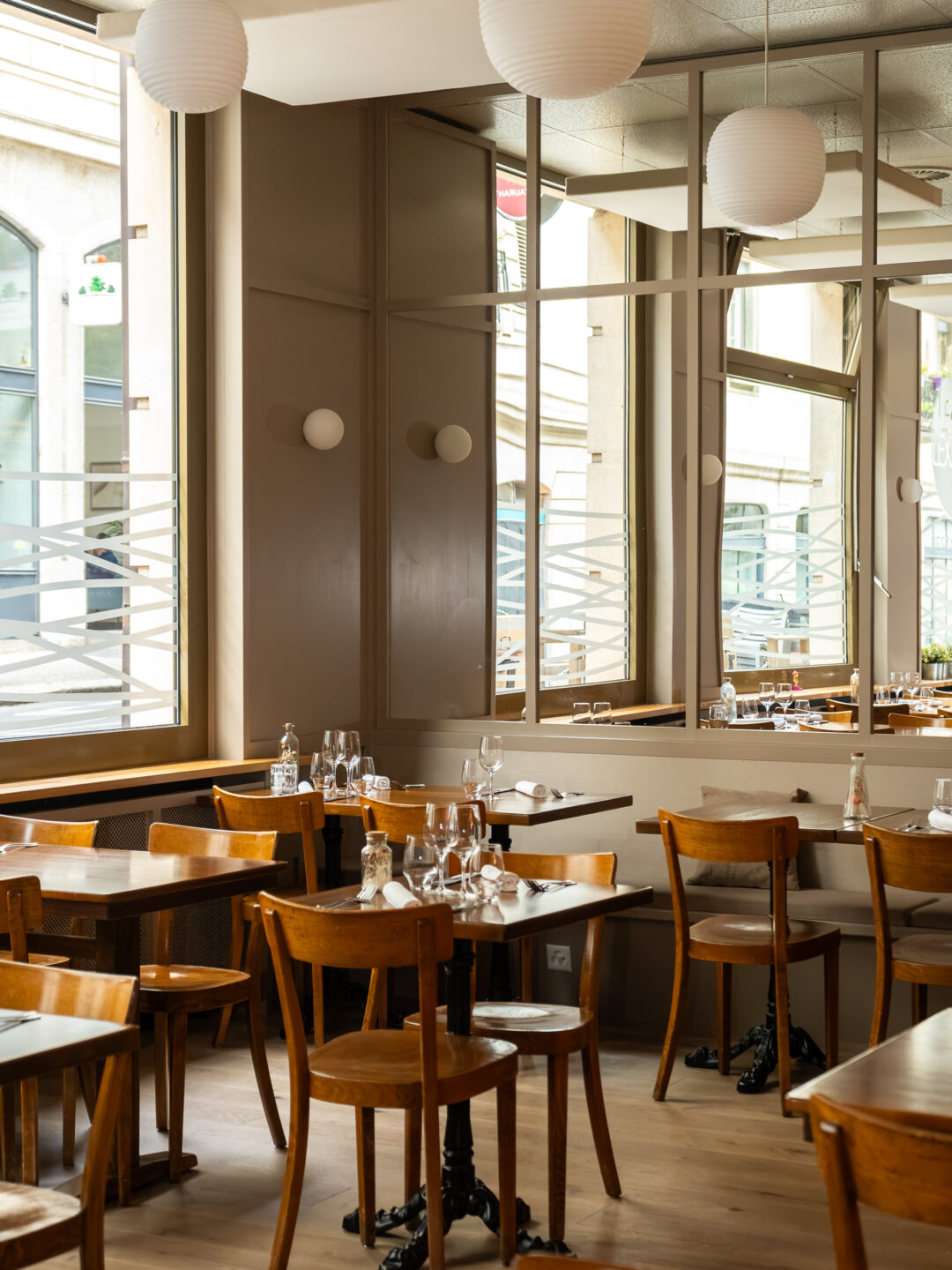
In his culinary haven at Le Lexique, every morning as he enters the kitchen, his thoughts turn to those who passed their knowledge on to him. These culinary mentors still guide him. Their techniques, their high standards, and their expertise form the “palette of colors” from which he draws inspiration to create dishes that he himself would want to eat.
The Hare and the Birds
Take “lièvre à la royale”: Cyrille Montanier likes to prepare it in a traditional braising pot. He describes the flavors that waft through the air, the steam that condenses under the lid and returns to infuse the meat. As we listen to him, we can already picture the sauce. What fascinates him is this interplay between the meat and its juices—that depth of flavor that builds as the dish cooks.
That said, his game cuisine does not seek to impress through sheer force. The bold, powerful game-curing techniques he encountered in his younger years do not align with his sensibilities. When it comes to game birds, he prefers light sauces and a subtle approach. The flavor must remain present without overpowering the dish.
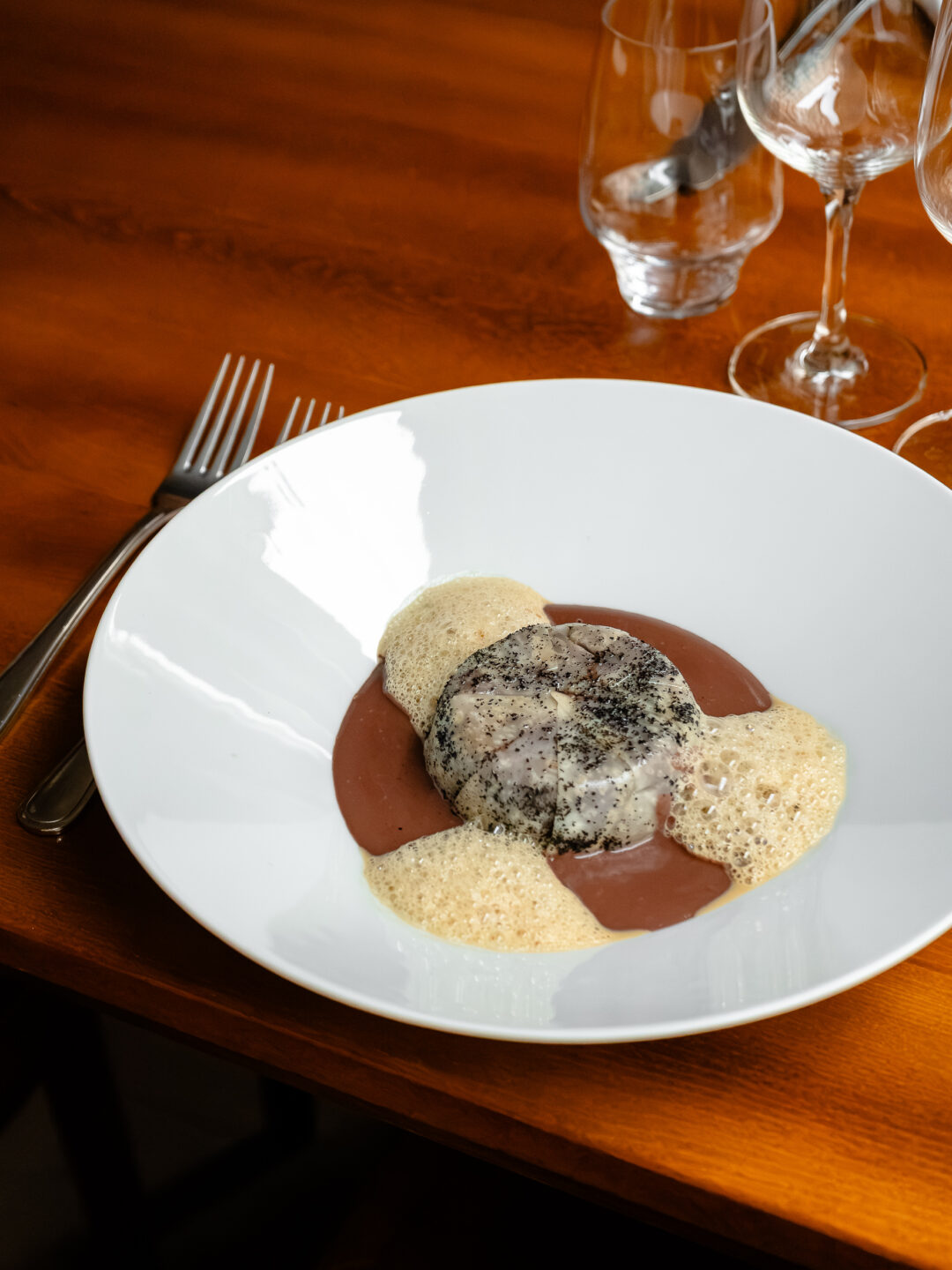
His woodcock soufflé with porcini mushrooms perfectly illustrates this approach. The bird has a robust flavor, and the chef aims to add a touch of finesse. The thighs are confited and then shredded; a light reduction, made from the carcasses, ties the dish together, and the porcini mushrooms add a touch of sweetness. The result is a light and airy dish that still retains its original character. Just reading the recipe’s title makes you want to dig in.
Autumn Celebration
This style of cooking takes time. Can it still be passed down in a world that’s moving faster and faster? He believes so, because restaurants continue to train chefs, pass on traditions, and keep the classics alive. He himself adapts them to suit his own tastes, without losing what he’s been taught. And then there are the customers. Those who come back for a particular sauce, those who are discovering a new dish, or those who are simply looking for a little comfort. That’s where all this work takes on its meaning.
With the arrival of fall, Cyrille Montanier feels as though he’s reconnecting with his roots. The flavors return, and his passion for cooking remains undiminished. I share his joy. There are seasons we look forward to for this very reason: to rediscover cuisine that moves us, brought to life by chefs who breathe new life into it.