Frédéric Ménager: When Authentic Flavor Is Uncomfortable

Edouard Amoiel
08 août 2026
I watched Frédéric Ménager’s Instagram video all the way through (WATCH). Not necessarily because of his rant. Social media is full of those. But because, amid his (measured) anger, I found myself asking a question. Why is a chef who raises his own poultry hearing more and more from his customers that his chicken is “too tough” or “too dry”?


Taste Profile
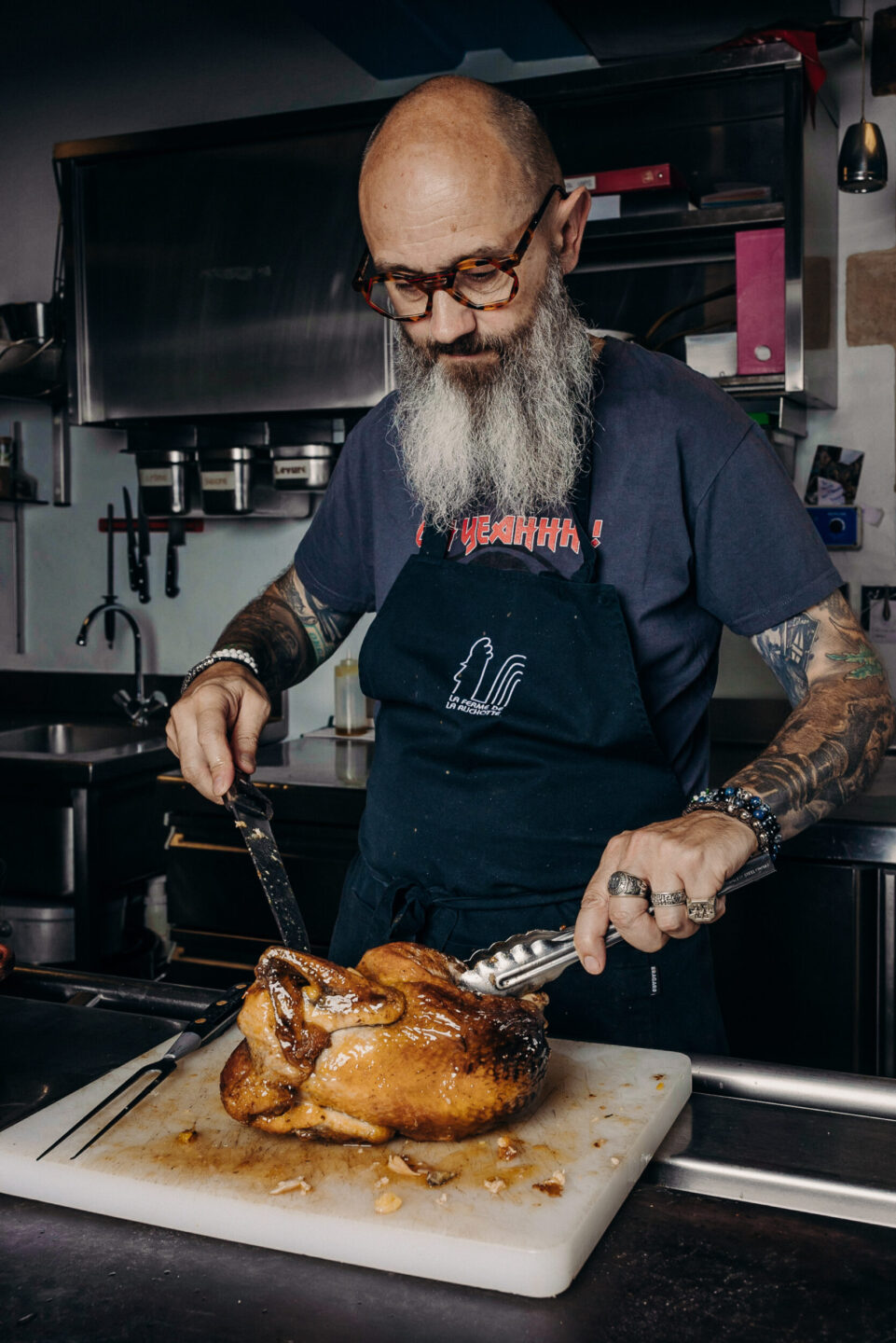
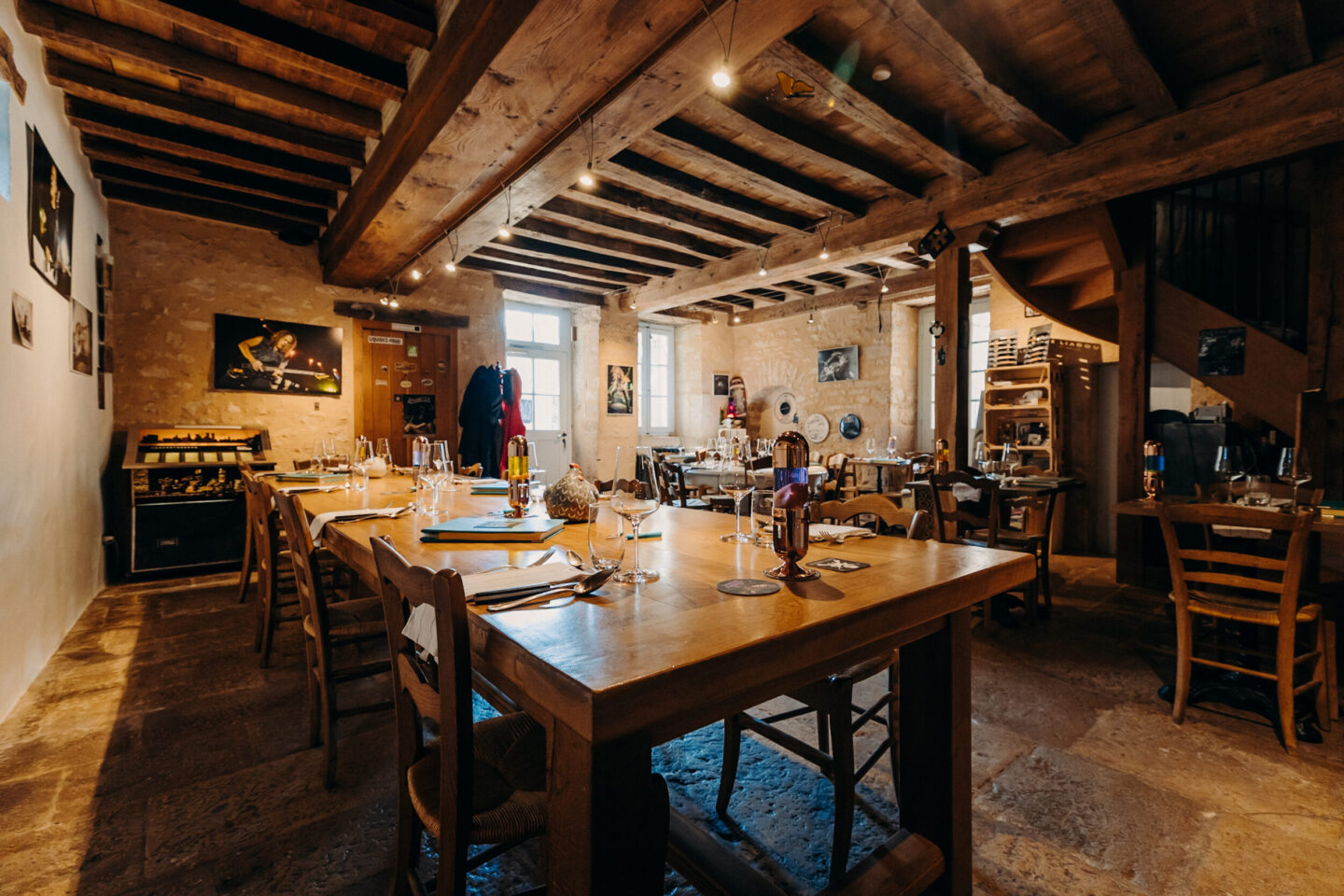
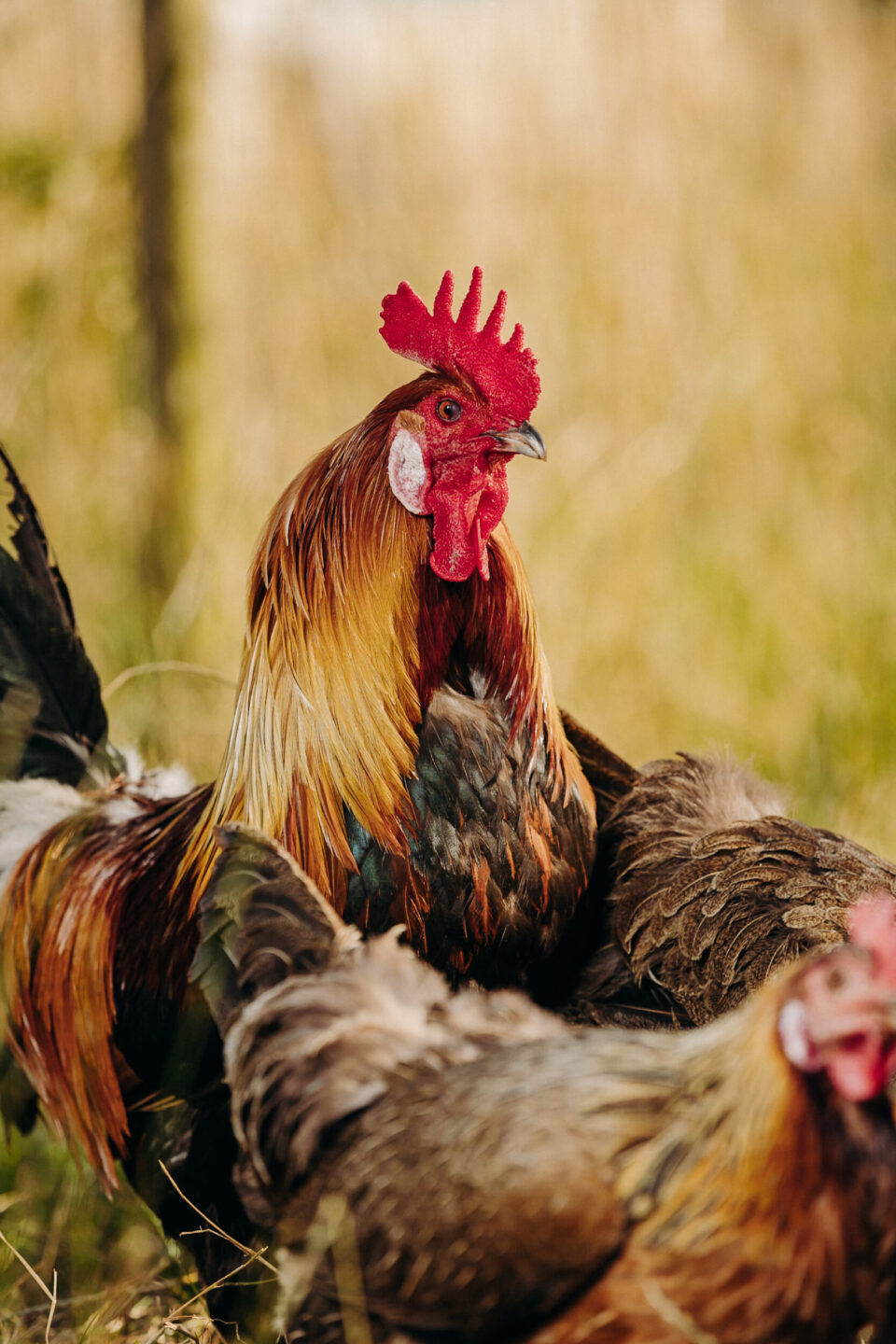
The head of the Ferme de la Ruchotte recently explained that he was receiving more and more comments from his customers criticizing the toughness and dryness of his poultry. A comment that might seem trivial. Almost trivial. Yet when it’s directed at a man who raises his own animals for eight or nine months, who feeds and cares for them, and who builds his entire culinary philosophy around respect for living creatures, it takes on an entirely different dimension.
Deep down, perhaps it isn’t his poultry that’s being judged. It’s our relationship with taste that’s being put to the test. Over decades, we’ve gradually shifted our standards. Poultry has been bred to grow faster, fruits to be more uniform, and vegetables to withstand shipping better. By constantly being exposed to increasingly standardized products, we’ve also shaped our taste preferences and have come to take this “normality” for granted.
Consumption Habits
So, when we’re served poultry that has lived for several months—that has run around, developed its muscles, and built up its meat naturally—we’re sometimes thrown off balance. The meat requires thorough chewing. Its texture is different. So is its taste. And that may be where the problem lies. We no longer compare a product to what it’s supposed to be; worse yet, we compare it to what we’ve grown accustomed to eating.
Far be it from me to suggest that a customer’s comments are unwarranted. It can happen that a dish is imperfect or that the cooking doesn’t quite meet expectations. A chef, no matter how talented, is not infallible. But when criticism is directed specifically at products raised using methods that are slower, more demanding, and more respectful, the question deserves to be asked. What if we have, little by little, lost our sense of taste?
An Uncomfortable Question
Gastronomy has never been solely about providing comfort. It also serves to pass on traditions—to tell the story of a region, a season, or a craft. It sometimes invites us to rediscover flavors we thought we knew, when in fact we were only familiar with a standardized version of them. This is undoubtedly the most valuable role of great chefs: not to pander to our habits, but to challenge them with intelligence. To remind us that a tomato doesn’t always taste the same. That a cheese can be surprising. That a fish doesn’t necessarily have the texture we expect. And that poultry raised with respect for animal welfare doesn’t taste like that from intensive farming.
Ultimately, Frédéric Ménager isn’t just defending his poultry. He’s defending a certain vision of French gastronomy. A gastronomy that takes its time. One that accepts that nature sets its own pace rather than that of the agri-food industry. And one that believes a chef’s role is not only to feed but also to educate. So perhaps the real question isn’t whether his poultry is too tough. The real question is much more uncomfortable: do we still have the criteria needed to recognize an exceptional product when it arrives on our plate?