Sauce… who can!

Sauce isn’t just an accompaniment – it’s an art of living! A silent language that links the sensibility of the cook to the emotion of the guest. And what if sauce were to save gastronomy, at a time when it sometimes strays into banal standardization?
Millimetric reduction
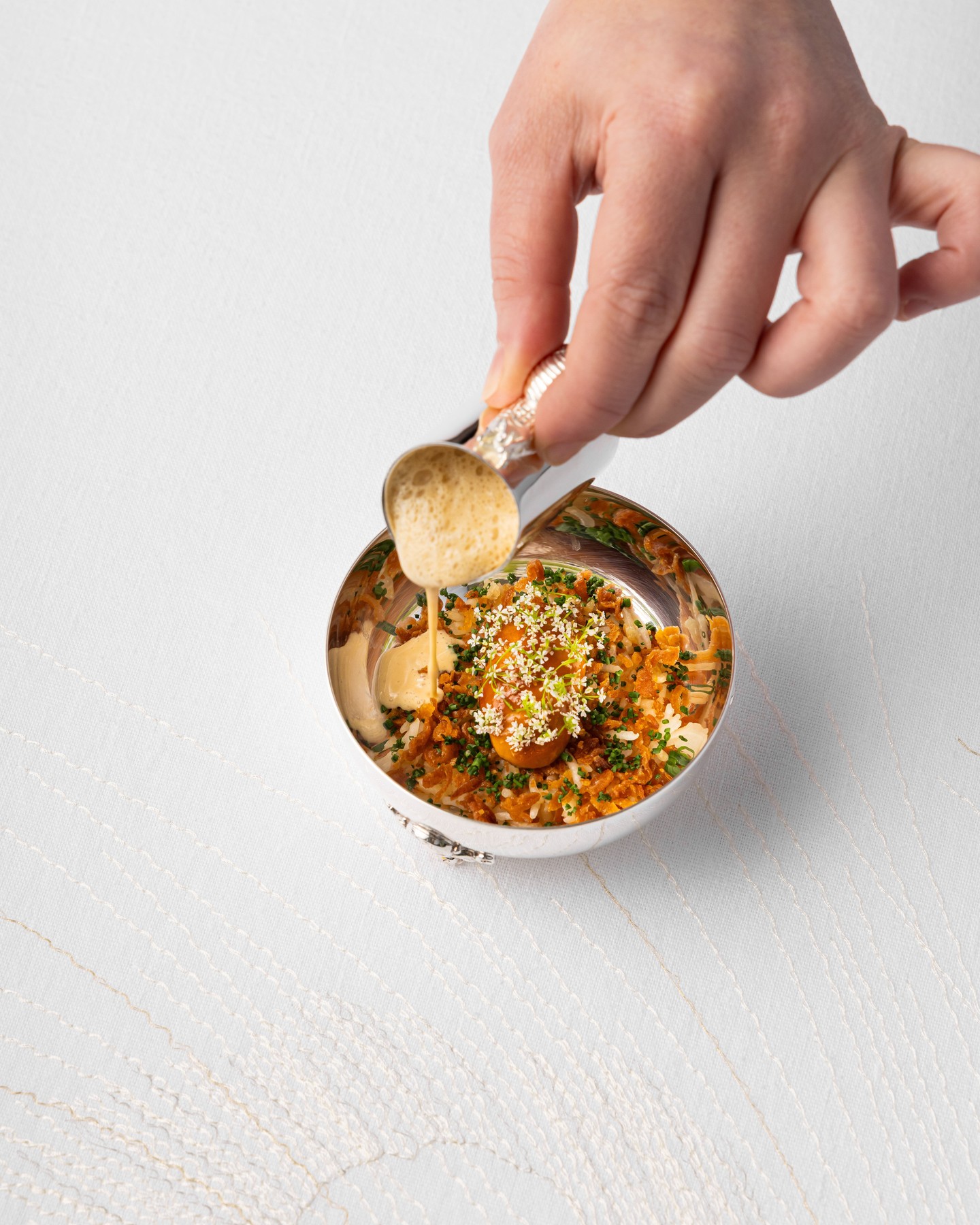
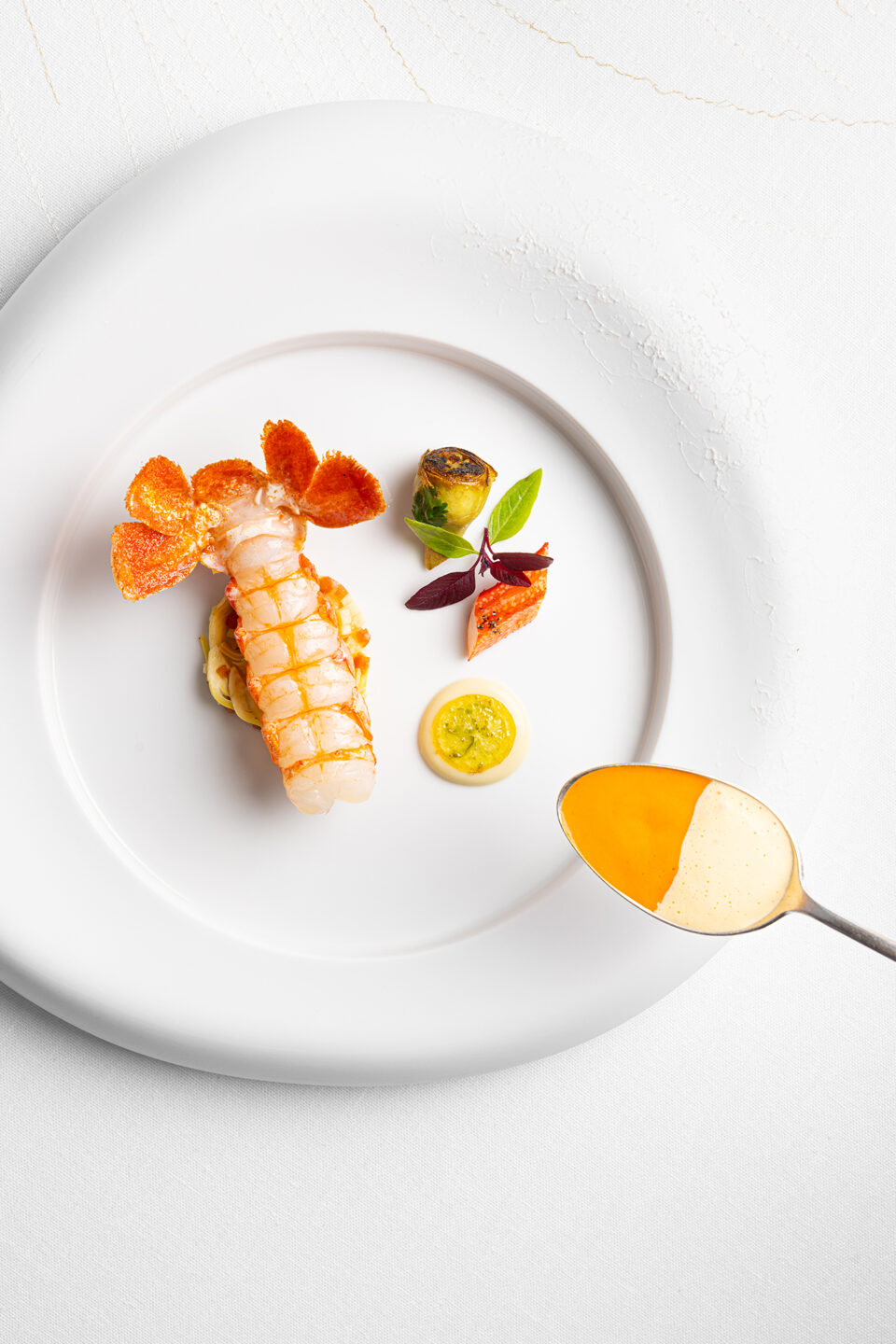
From the simplest vinaigrette to an airy sabayon, from a creamy coating to a precise reduction, a sauce embodies a style, a conviction, a perception of taste. It is a chef’s signature and vision, which only he, as master of the kitchen, can have. Often compared to the final touch of a great couturier, its preparation requires the precision of a goldsmith: the right temperature, controlled emulsification and unlimited patience. Each sauce is a delicate balance between fire and sweetness, rigor and instinct.
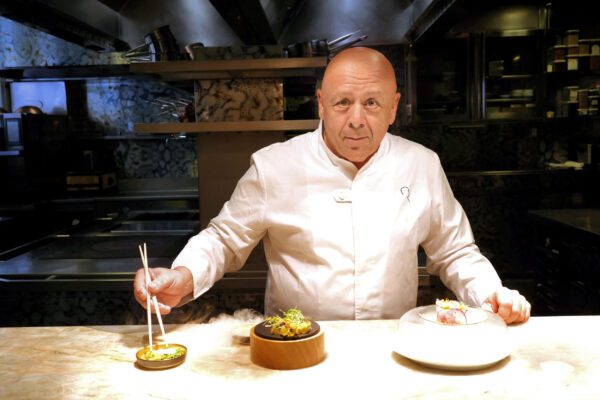
Like chef Arnaud Donckele at Plénitude in Paris or at La Vague d’Or in Saint-Tropez, some of the greatest names in French cuisine have made sauce the spearhead of their culinary universe. Dipping a spoon into one of these concentrates of happiness electrifies us to the very depths of our being. Dubbed “absolues” by their creator, who divides his time between his two Michelin-starred restaurants, a hundred or so fragrances lend themselves to the game, gathered in a secret grimoire waiting to be assembled into infinite sensory combinations.
In this story, let’s forget about industrial cubes, easy thickeners and excess fat – even if, between us, a good piece of butter never hurt anyone. With hand-picked protagonists from Geneva to Montheron to Morges, let’s rediscover the nobility of a liaison, the grace of a jus and the truth of a reduction. Sauce is everything: relief, depth, generosity – sometimes even the soul of a dish. Let’s hear it for four chefs, four expressions, four sensibilities and, of course, four sauces.
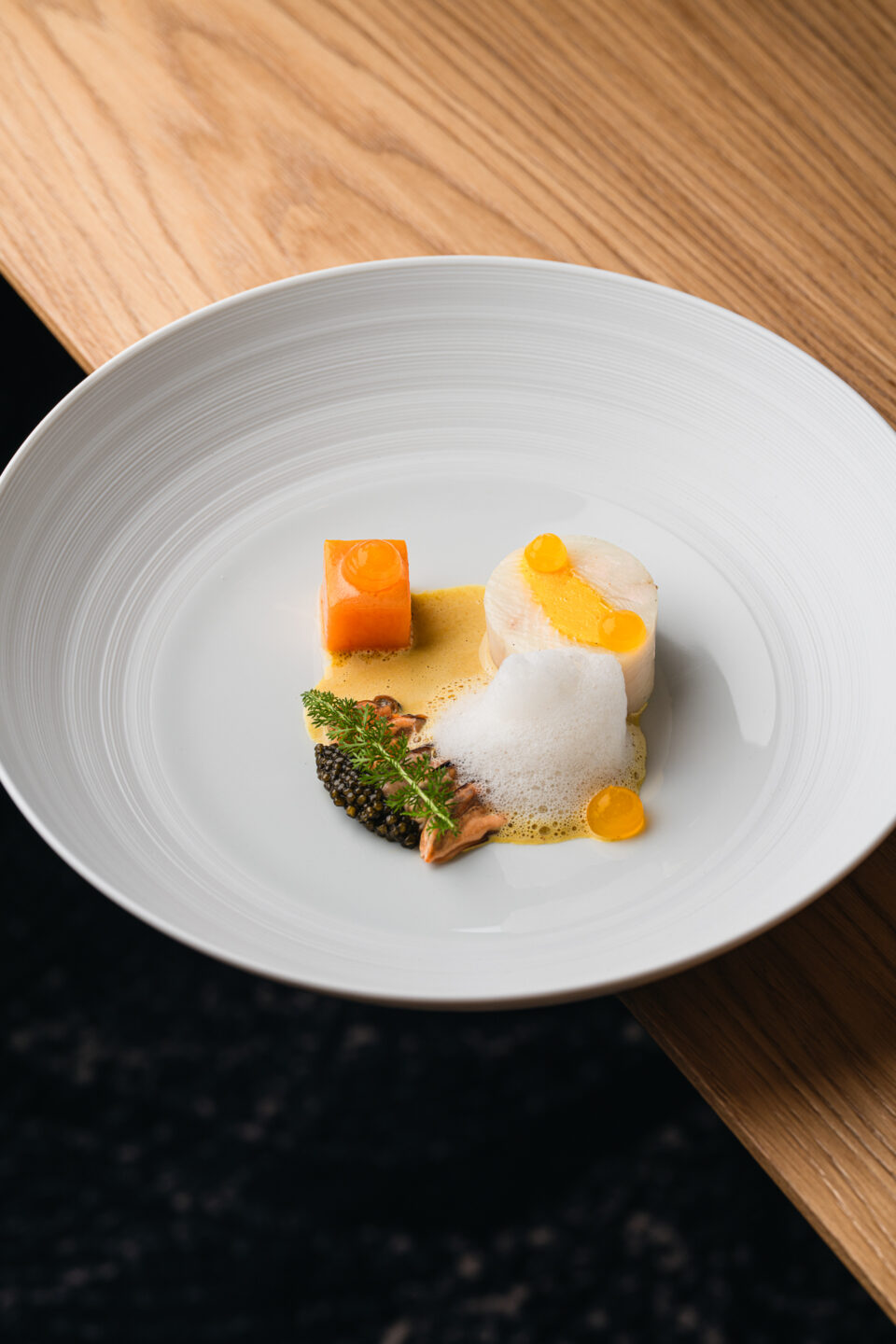
Saffron, the sea and Armel Bedouet
Beneath the pearly sweetness of a Barbue de Bretagne hides a sauce that speaks volumes about Chef Armel Bedouet’s culinary vision. In his Michelin-starred restaurant l’Apartéthe Bouchot mussel becomes the soul of the dish: prepared à la marinière, its reduced juice is blended with butter, infused with Ménier saffron, to give a salty, iodized cream, round and vibrant, well-balanced with a drop of lemon… just enough to awaken the sea.
To accompany it, a cloud of milk infused with roasted cloves, a touch of saffron citrus, a few glazed mussels and a cube of seasonal butternut squash. It’s all about nuance: the brilliance of the saffron responds to the sweetness of the fish, the salt to the earth, the sauce serves as a common thread – silky and essential.
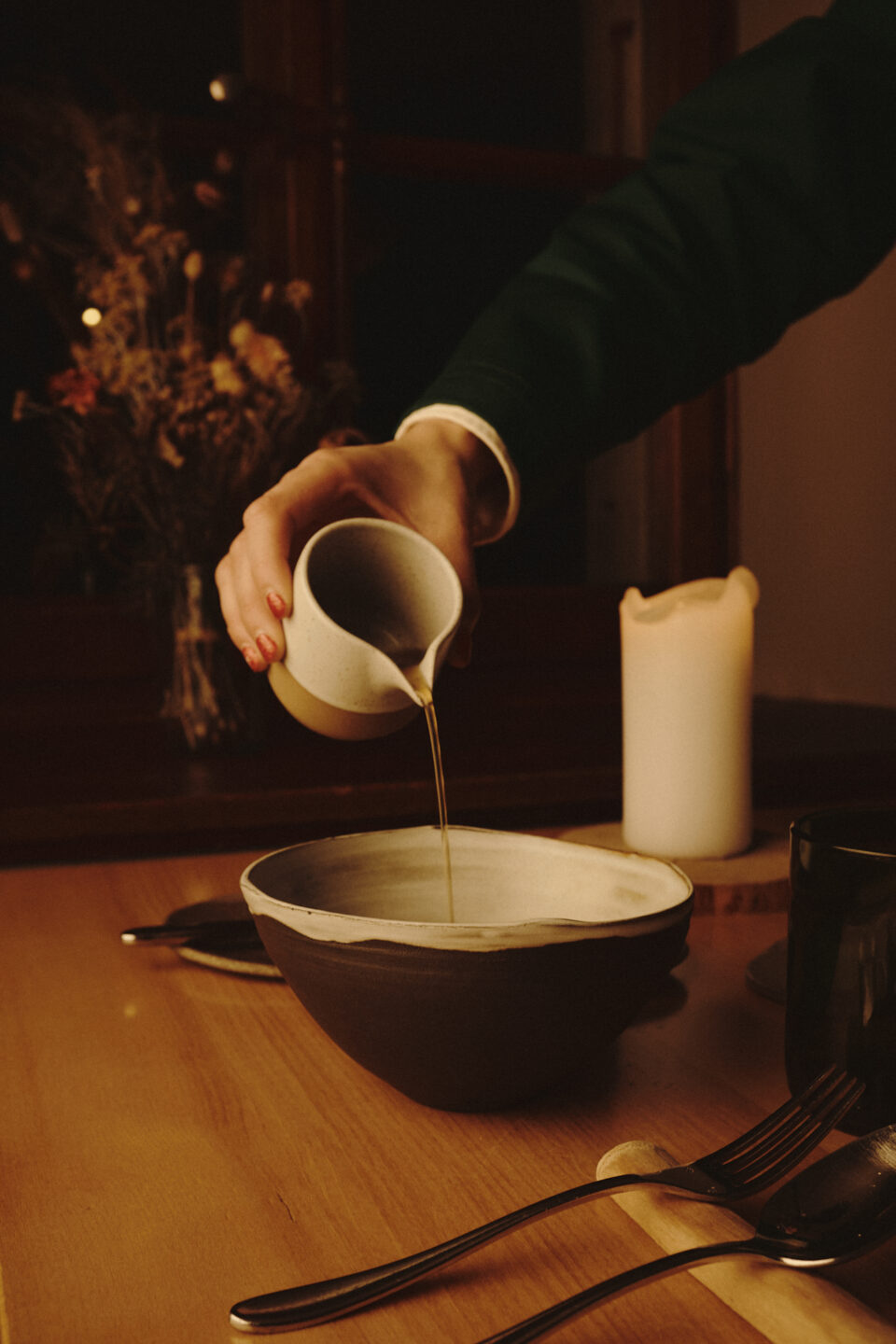
The intention behind the hay by Alba Farnos Vinals
À Auberge de l’Abbaye de Montheronperched high above Lausanne, chef Alba Farnos Vinals works with sauce as others work with a rare fabric. For her, sauce doesn’t just dress a dish in terms of taste: it gives it intention, direction, almost the soul. “A chili sauce awakens the taste buds, something acidic brings freshness”, she explains, as if each flavor were a gesture, a nuance, a word whispered to the palate.
To accompany a trout confit in hay oil, the chef chooses a sauce that is simple in appearance but deeply rooted in the terroir. The fish is served with a quince and celery pressé, topped with a quince gel that emphasizes its sweetness. But for the chef, it’s the sauce that binds the whole dish together: a beurre blanc with hay, a direct tribute to the Jura landscapes. “The clothes on this dish are peasant, linked to the region. Here, we’re surrounded by fields and farmers who grow hay,” she explains.
Hay is roasted and then infused in reduced cream to extract an almost wild intensity. The base remains that of a classic beurre blanc (onions, white wine, reduced vinegar) emulsified with the full-bodied hay cream, bound with butter and rectified with verjuice. “This beurre blanc marks the end of summer before the start of winter, when hay is harvested and hunting and winter begin. A sauce like a passage of seasons, a perfume of the countryside, revealing the intention of the dish”.
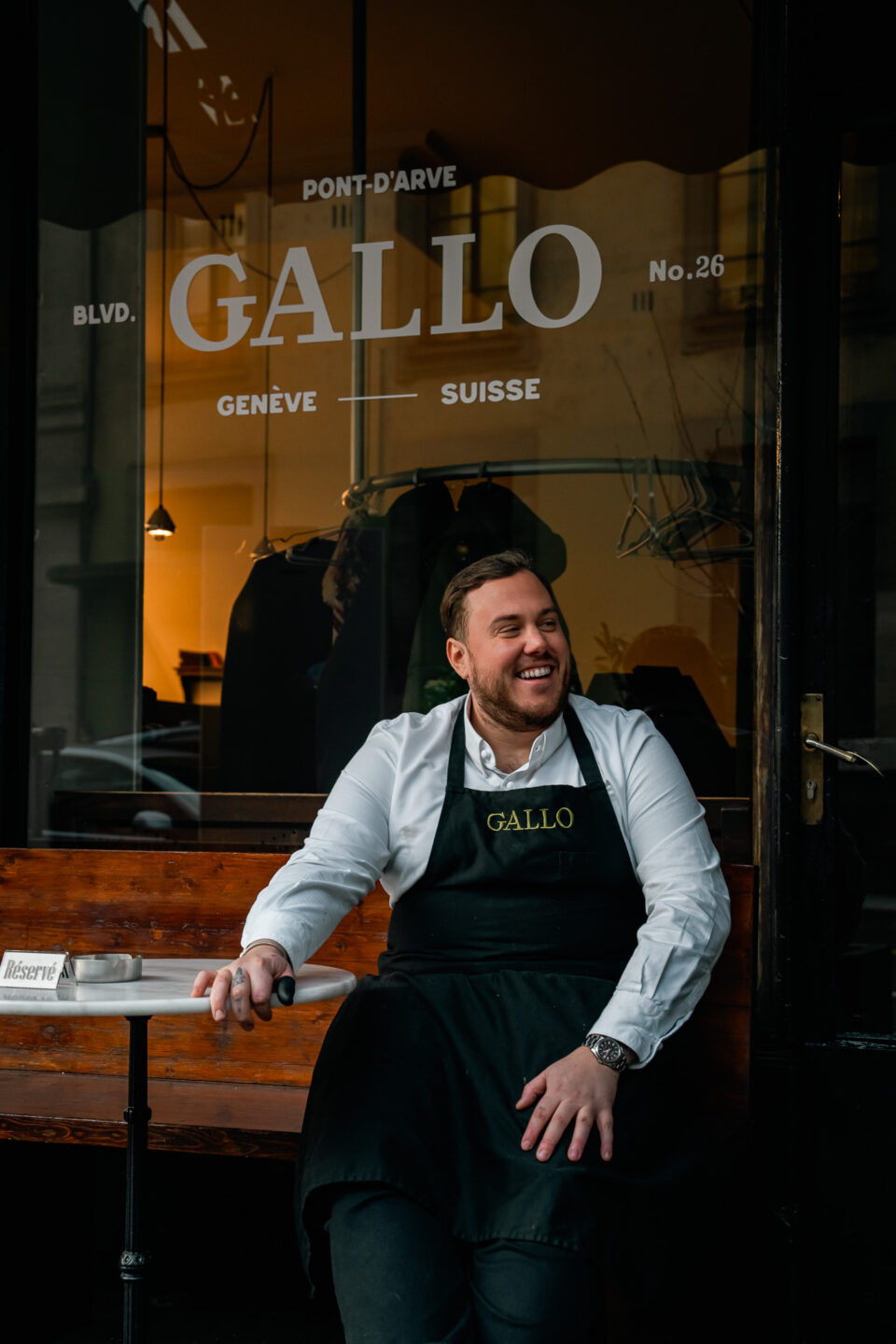
Jacopo Romagnoli, the art of free sauce
This is undoubtedly one of Jacopo Romagnoli’s most personal creations: his sauce. It says everything about him. No rules, no dogmas; just a creative, sensitive expression, where seasoning and reduction become language. “Cooking is about seasoning and reducing”, says the chef, quoting Alain Ducasse. That says it all. Some houses prefer typically French sauces, solid and transferable; others abandon themselves to sliced juices, free vinaigrettes and instant emulsions. For Jacopo, technique doesn’t matter: what counts is emotion.
On his plates, the sauce is the signature of the dish, complementing it and giving it body. At the moment, it’s all about the hunt: wild duck, cured on trunks for a week, lacquered with honey and Apicius spices, takes center stage. To accompany it, a dense, brilliant sauce, made from game trimmings, reduced port, white wine brown stock, hazelnut butter, darkened with a square of chocolate, flavored with cinnamon and star anise. A generous, free-spirited sauce that tells us as much about its creator, in his restaurant Gallorestaurant, as much as about the product.
Rémy Gravelaine, the sauce for depth
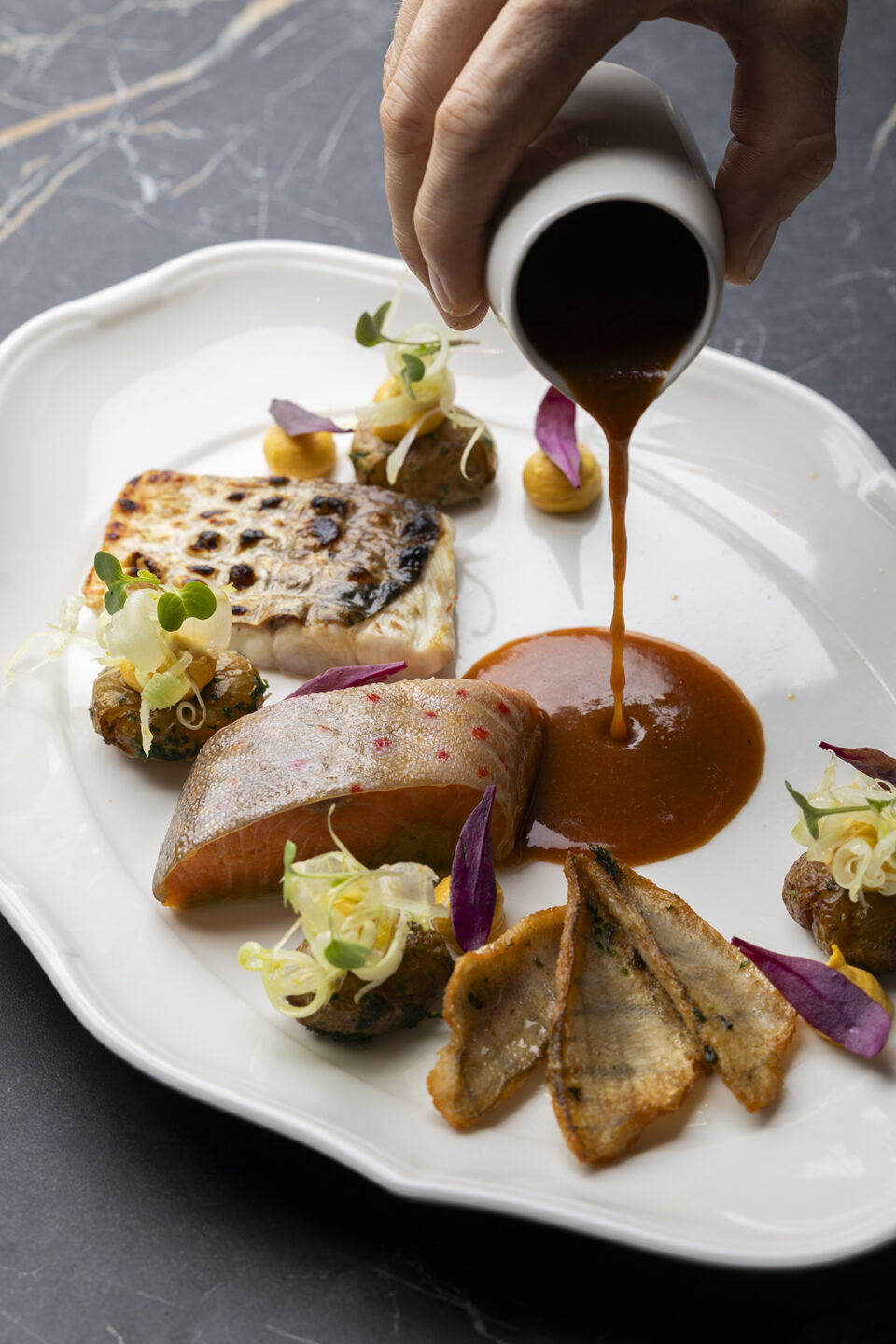
Visit Casino de MorgesRémy Gravelaine talks about sauce as a culinary philosophy of life. “The sauce gives the dish its depth, its character, its relief – but without ever stealing the show from the product,” he says. Trained in the fundamentals of French cuisine, this talented chef, who worked at the Restaurant de l’Hôtel de Ville in Crissier, works with a wide repertoire of sauces: Nantua, game stocks, brilliant reductions, right up to hare à la Royale topped with a chocolate-foie gras sauce. At the same time, he also loves lightness: sabayons and emulsions.
His current signature: a Lake Geneva bouillabaisse, conceived not as a broth but as a subtly intense, delicately powerful sauce. Rock fish, crayfish, lobster carcasses, fennel and aromatic herbs simmer for hours, before the addition of lightly roasted fera and char bones. Reduction after reduction, a dense, long sauce is created, designed to sublimate the more delicate tastes of lake fish. In the dining room, director and sommelier Thibaud Gardette goes so far as to present the sauce in a small sauce boat. Guests are free to help themselves. Because here, he says, “it’s the sauce that’s the master, the one that structures the plate and signs the cuisine”.