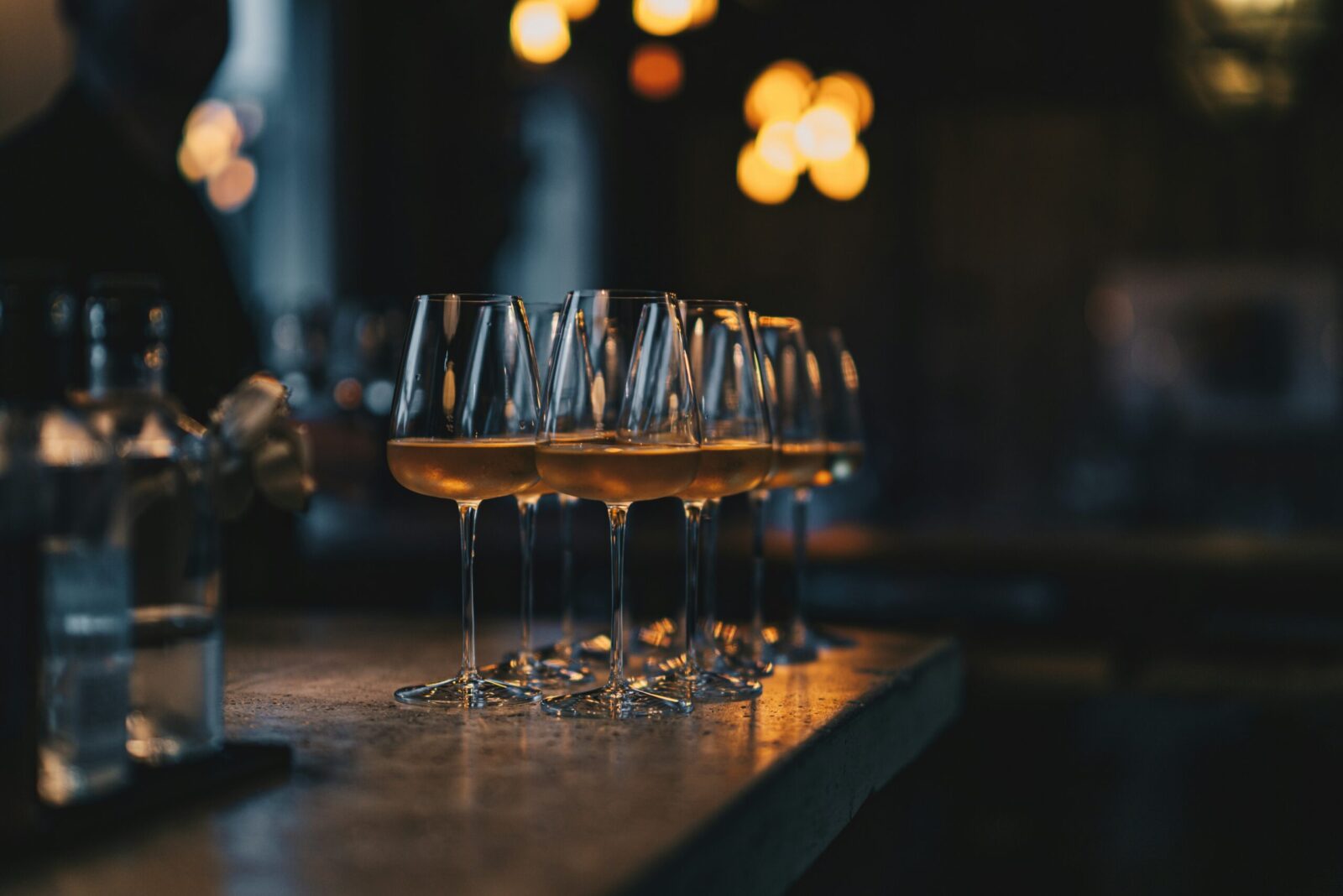
Japanese wines… in restaurants!

I have to confess one thing: I don’t much like the word trend. It gives the impression that everything happens quickly, burns brightly and then disappears. Gastronomy and, in this case, wine deserve better. Yet it’s hard to deny that something is happening around Japanese wine. Not a fad, but rather the first stirrings. And as is often the case in the world of wine, the precursory signals are coming from good restaurants.
Precision
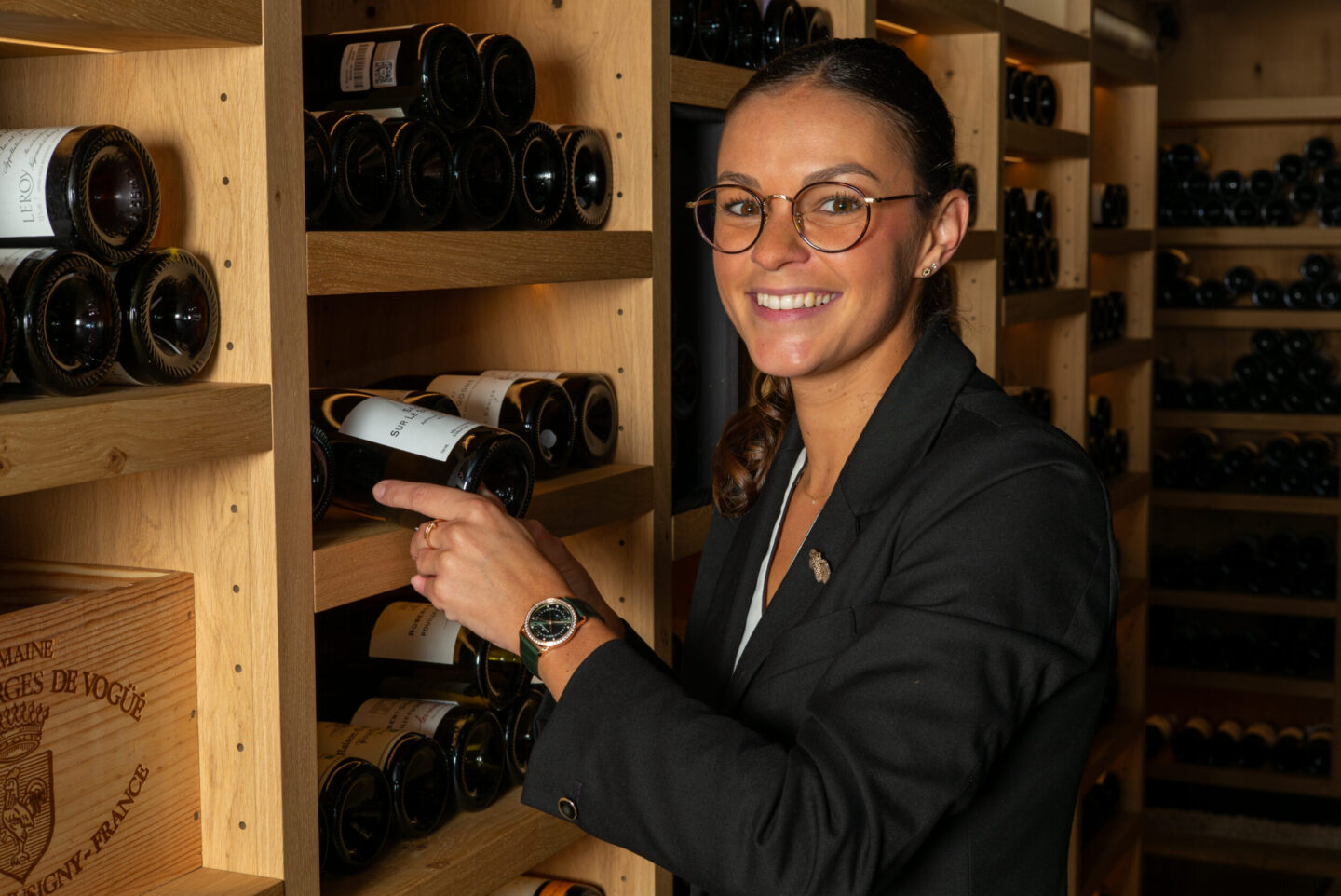
When Pablo Nedelec explained to me that a Japanese wine had been tasted at theHôtel de Ville de Crissier and that a few bottles had even been ordered, I immediately perked up. In this profession, this kind of decision isn’t taken lightly, and who better to talk about it with subtlety and a touch of curiosity than Charline Pichon, named Switzerland’s Best Sommelier by the Michelin Guide and Gault&Millau. “It was a delicate discovery. What struck me was the precision. In the end, the work is very similar to ours, but with a different sensibility, and a remarkable aromatic finesse.”
She notes an almost imperceptible barrel ageing. In a blind tasting, it was impossible to tell that the wine was from the Land of the Rising Sun. What also surprised her was the balance: “fresh, delicate, extremely precise wines”, she recalls. And then there’s the obvious: the level of mastery. Behind these bottles are carefully tended vines, often biodynamic, demanding viticulture and a climate that, for the moment, remains relatively favorable. A few bottles have been ordered… not to put them on the menu straight away, but rather to try them out. Why not serve them blind, to a few loyal, curious and open-minded customers? It promises to be an interesting surprise.
Living culture
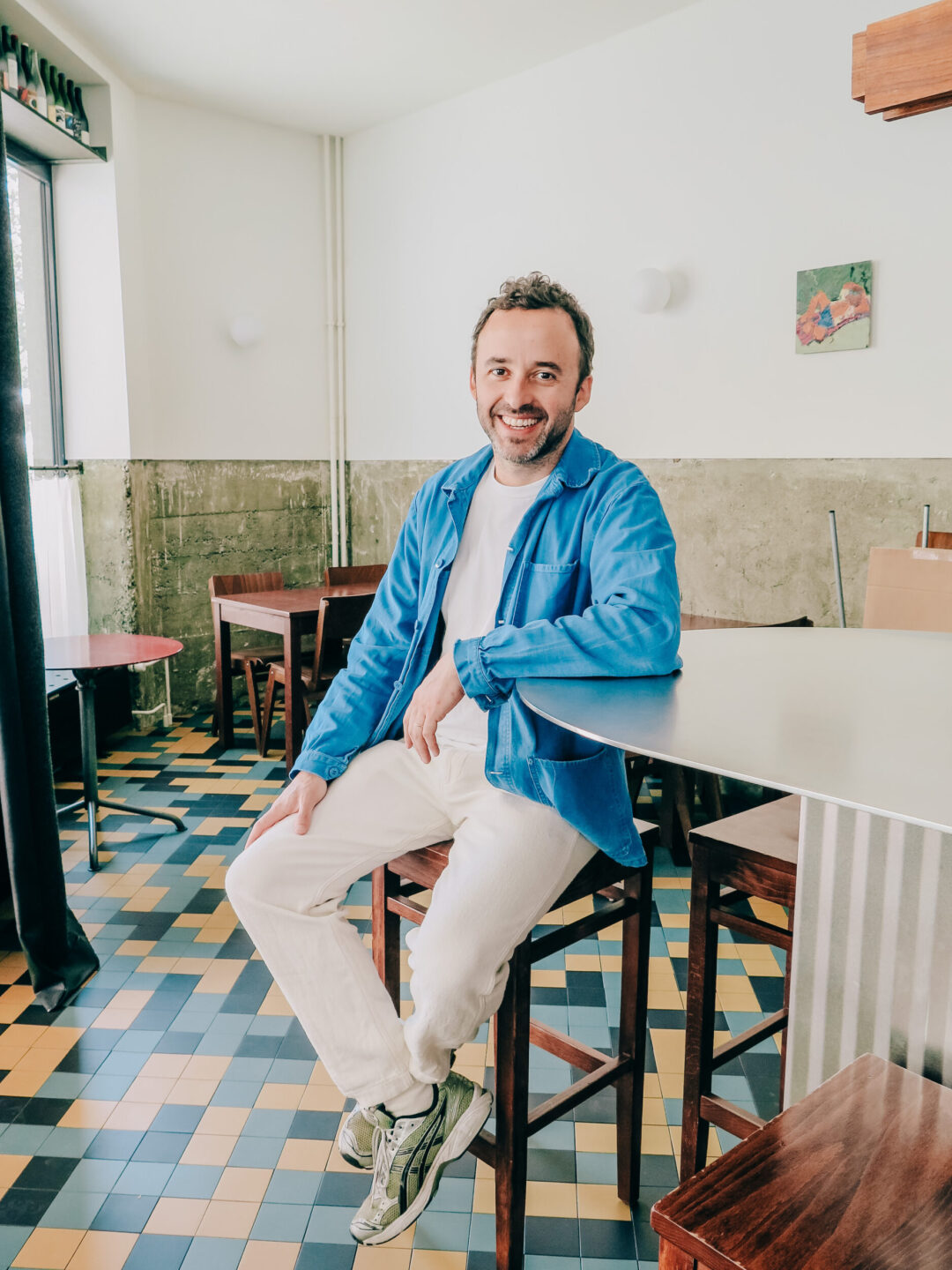
Back to Geneva. Marc Popper of Bombarsees something profound in these wines. He knows Japan well, its culture and gastronomy, and for him, the key lies in the almost instinctive relationship between man and nature. “This culture of respect for living things is extremely strong over there. He explains that many young Japanese winemakers have come to Europe for training before returning home to work with an almost disarming humility. “They observe, are willing to learn, know how to adapt and ultimately understand.
Among the emblematic estates is Beau Paysage, often cited as one of the pioneers of this demanding viticulture. According to Marc Popper, these wines can also surprise. “There are sometimes unexpected notes: a little smokiness, a touch of tea, hints of sake and a real sense of umami. Such mastery often leads to great emotions – and, at the end of the day, that’s what we’re all looking for. A winegrowing spirituality in natural dialogue with gastronomy.