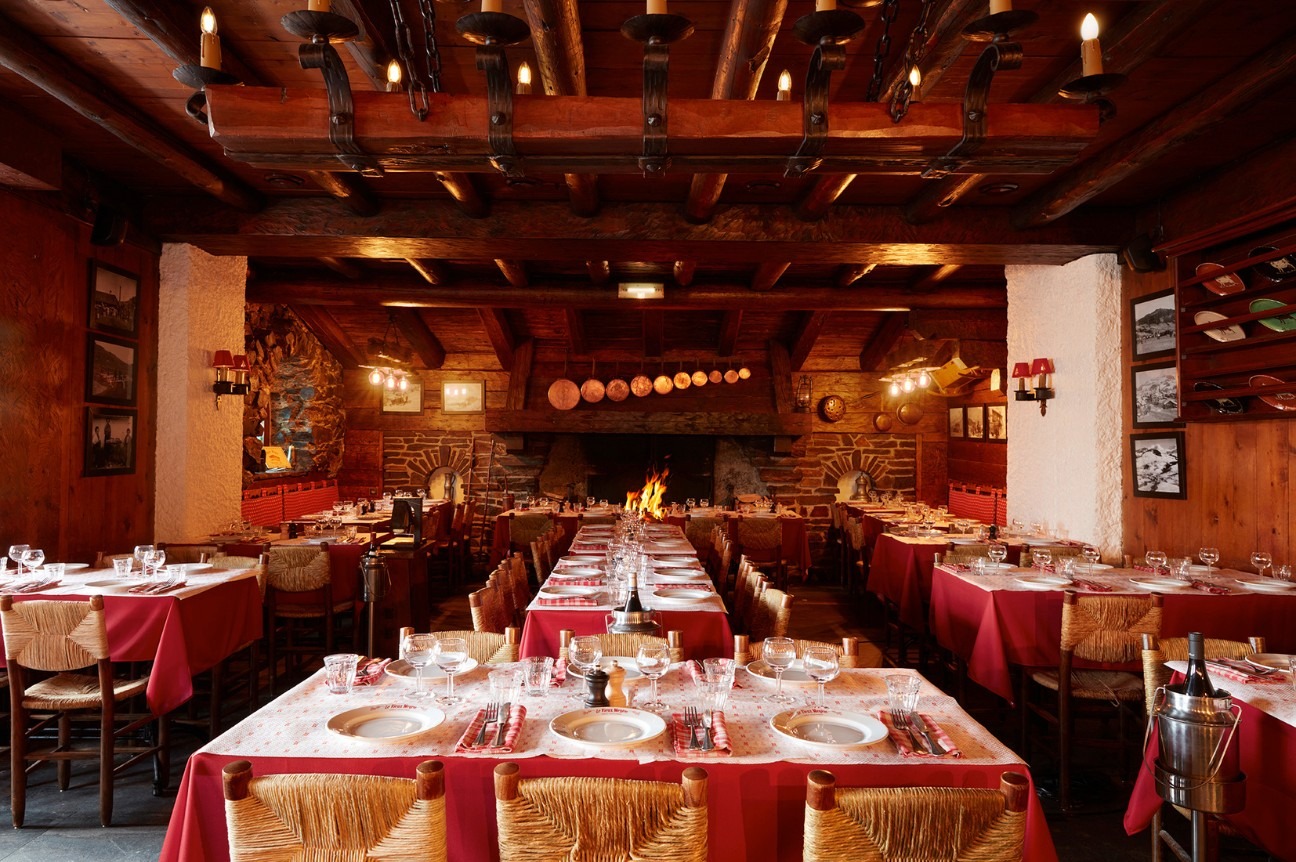
The old restaurant

Covid aidant ou Covid oblige, the shortage of qualified personnel has been hitting the hotel and restaurant sector hard for the past two years. Young people want to work differently, and are demanding the same respect for their profession as they do for cooking (thanks Top Chef). For what could be more natural than to give due recognition to those who enchant us with their smiles, delight us with their stories and overwhelm us with their know-how?
Let’s not forget: service makes up for any culinary error, not the other way around. While prices continue to rise (again, Covid helping or Covid forcing?), the level of service in some establishments has never been so far removed from any form of professional realism. Whose fault is this? Disillusioned bosses? Unmotivated staff? Indifferent customers? Let’s not generalize, and let’s not tar everyone with the same brush. And yet, despite this period of high tension, some establishments manage to federate, motivate, retain and hire employees who want to see themselves reflected in a story or a project, while managing to adapt their working hours and meet their salary expectations. So why some and not others?

Dream of a Megevan night
Four up-and-coming boys decide to have dinner together. These are privileged moments, as life catches up with its obligations. These instigators of an evening are jovial, rather friendly and look forward to enjoying a braserade and a glass of wine. It’s hard to miss a dish whose sole performance consists of cutting meat, arranging it on a platter, lighting embers and placing the whole thing (delicately, because of the heat) on the table. And yet, it’s not the dish that’s a fiasco (even if the meat is as rubbery as a shoe sole) but the service.
How sad to see staff so unconcerned about the smooth running of a dinner party. How sad to see a manager so disinterested in his staff, inattentive to remarks made at the end of the meal and passing the blame on to his subordinates. No regrets, no know-how (even less savoir-vivre) and above all no desire to do well and to receive well. Was it the employee’s fault? Blame his superior? Blame the operating group? In the end, it’s not the customer’s problem and, believe me, it wasn’t the wait staff’s problem either.
It’s rare for me to get carried away, to be negative or to criticize an establishment. I’ve always preferred to use the right words and be uncompromising, rather than be verbally aggressive. We’re human beings (not robots). But when our interlocutors prefer the path of ignorance, condescension and rancor… then I’m left with only one resource: to alert. Not to condemn or castigate (although I don’t really want to, but let’s take a step back), but rather to point out the negative consequences such an attitude can have on the running of an evening. It’s not just a lack of professionalism that’s to blame in this case, but a much deeper evil.
The desire to want
So where do we stand? Surely at the crossroads of an era where respect is no longer the norm, and where the atmosphere in some restaurant dining rooms is rather boiling, even rebellious. Decades of abuse by impulsive customers, indifferent to the consequences of a negative review on TripAdvisor, could be the cause. But the health crisis has also passed through our lands, and young people have other objectives and want to react. The gap is widening. Are front-of-house staff taking revenge on customers, who have become the scorned spectators in a play that’s played out over lunch and dinner? Short of taking up arms, a general appeasement and rethinking of work values is vital… especially with better event management, often ineffective these days. It’s hard for a boss to make people want to work, but at the end of the day, you don’t get something for nothing.