Truffles: a symbolic product… now a battleground product

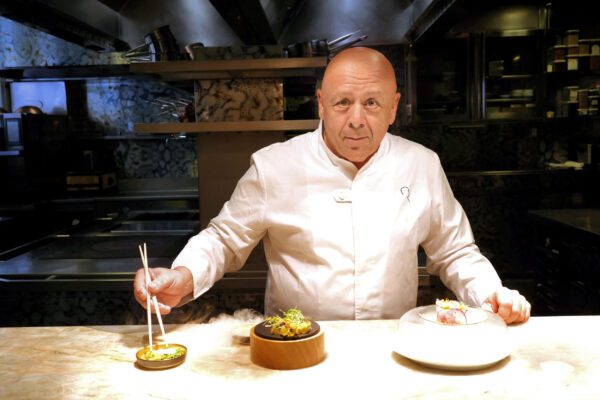
In Geneva, some chefs cook it as they would a fine perfume: with precision, and a kind of respect for its intimacy. Dominique Gauthier, in his watchmaking temple on Rue du Rhône, is a lover of all the seasons, and has created a range of products to delight us all.
But behind the plate, the world of truffles has changed. It’s no longer just a story of terroir. It’s a story of climate, theft, industrialization of the “truffle taste”, competition and – in Switzerland – very specific border rules. Alongside the founders of Léman TruffesChristophe Coissieux and Yvan Juston, we tiptoe through the fascinating world of the black diamond.

Terroir evolves and water becomes essential
For a long time, the South-West of France played the leading role. Today, in France, the center of gravity is shifting to the Drôme: many truffle growers cultivate, produce, pick and market. The shift can now be summed up in one simple word: irrigation. In the south of the Drôme, some growers have no control over water. And when summers get longer, when rain is scarce, truffles adapt to climate change and natural elements, and become scarce.
Further north, where the soil and facilities permit, man intervenes. No deluge: just two or three waterings a month in midsummer. A discreet discipline, a measured gesture. And this nuance is enough to change a season’s destiny: even in the driest years, we pick. And so the story is reversed. We compose, we adjust, we pilot living matter. And in the midst of this piloting, a question emerges – perhaps avoided because it’s disturbing: by dint of control, aren’t we losing true taste?
Wild vs. farmed: the “natural” truffle fades into the background
It has to be said that the wild truffle hardly exists any more. “Not because nature has ceased to be generous, but because the ecosystem that made this fertility possible has closed down,” says Christophe Coissieux. Before, herds of goats would graze under the trees, the light would come through and the soil would breathe. Today, the environment is denser, and wild truffles are in retreat. And even the “historic” truffle oaks don’t produce for ever: they give for a while, then run out.
So yes: planting saves continuity. “Without it, we wouldn’t have much left,” says Yvan Juston. But this continuity comes at a price: truffles are no longer a miracle, and their production becomes a demanding and intense form of agriculture – which, despite everything, guarantees nothing.
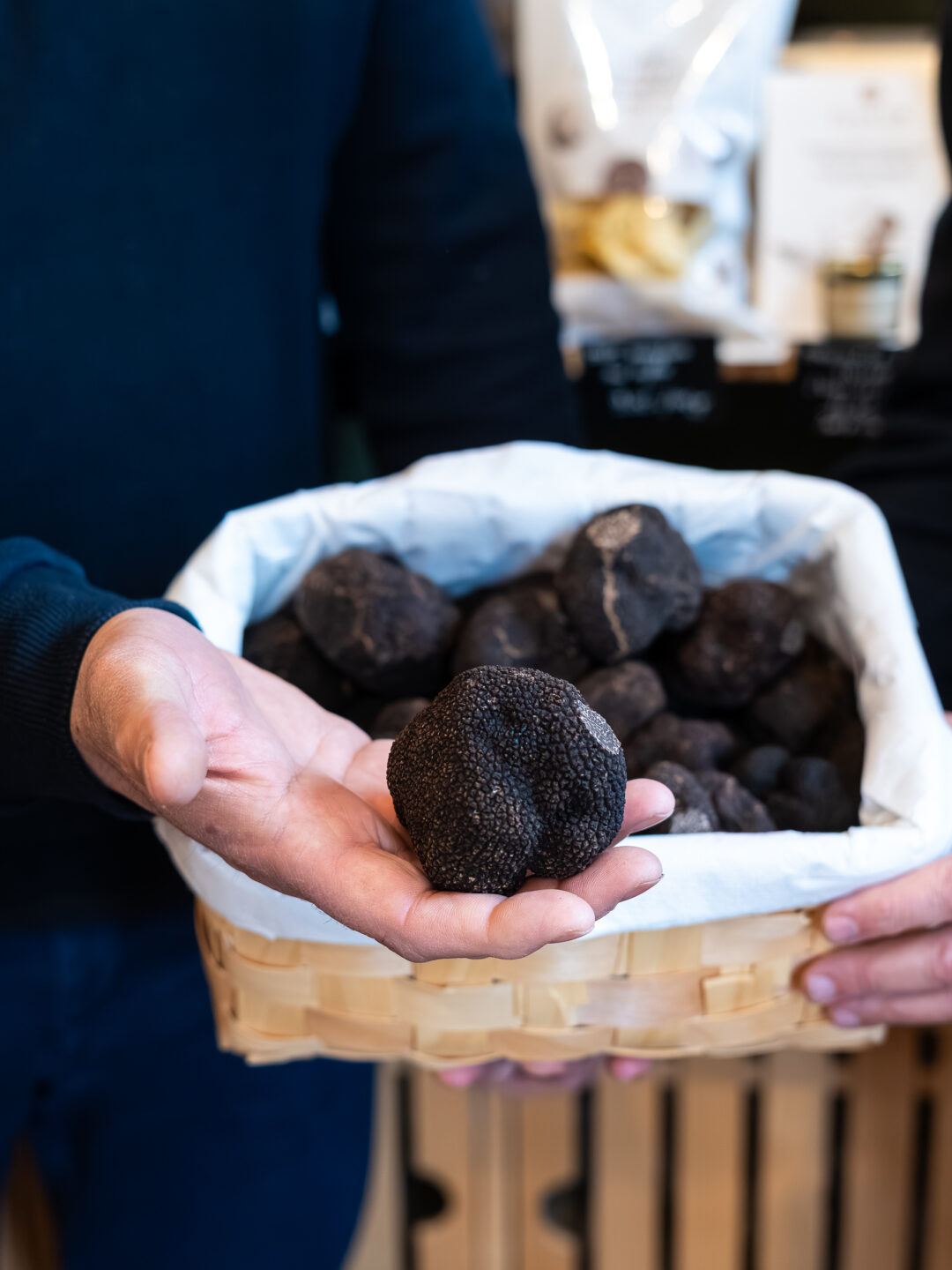
The real threat is not Chinese
The Chinese truffle? In this story, it doesn’t play the role we think it does. It’s not described as a frontal threat to serious houses. It’s mainly used to make trompe l’œil “truffé”, mushrooms that are pretty to look at, neutral in taste and perfect for low-end products sold in supermarkets. The danger, according to the founders of Leman Truffes, lies elsewhere: the omnipresence of truffle aromas and “truffle-flavoured” products.
Indeed, the latter condition the consumer to appreciate artificial, aggressive, standardized tastes. And then, when you serve truffle butter prepared correctly, with a real proportion of truffle, they retort: “It tastes too much like butter”. In the end, it’s not the truffle that has changed. It’s the way we refer to it.
Geneva: customs, invoices and competition
Let’s get down to the nitty-gritty: to import and market truffles in Switzerland, if you don’t have a company registered in Switzerland, they must already have been sold at the time of customs clearance, with invoices drawn up. “You can’t cross the border with 20 kilos of truffles in your trunk to go and canvass customers,” Christophe insists. Problem: some do it anyway, especially with white truffles, going from restaurant to restaurant. As a result, those who work properly (customs clearance, traceability, freshness) are forced to sell at higher prices – and find themselves penalized by a parallel market.
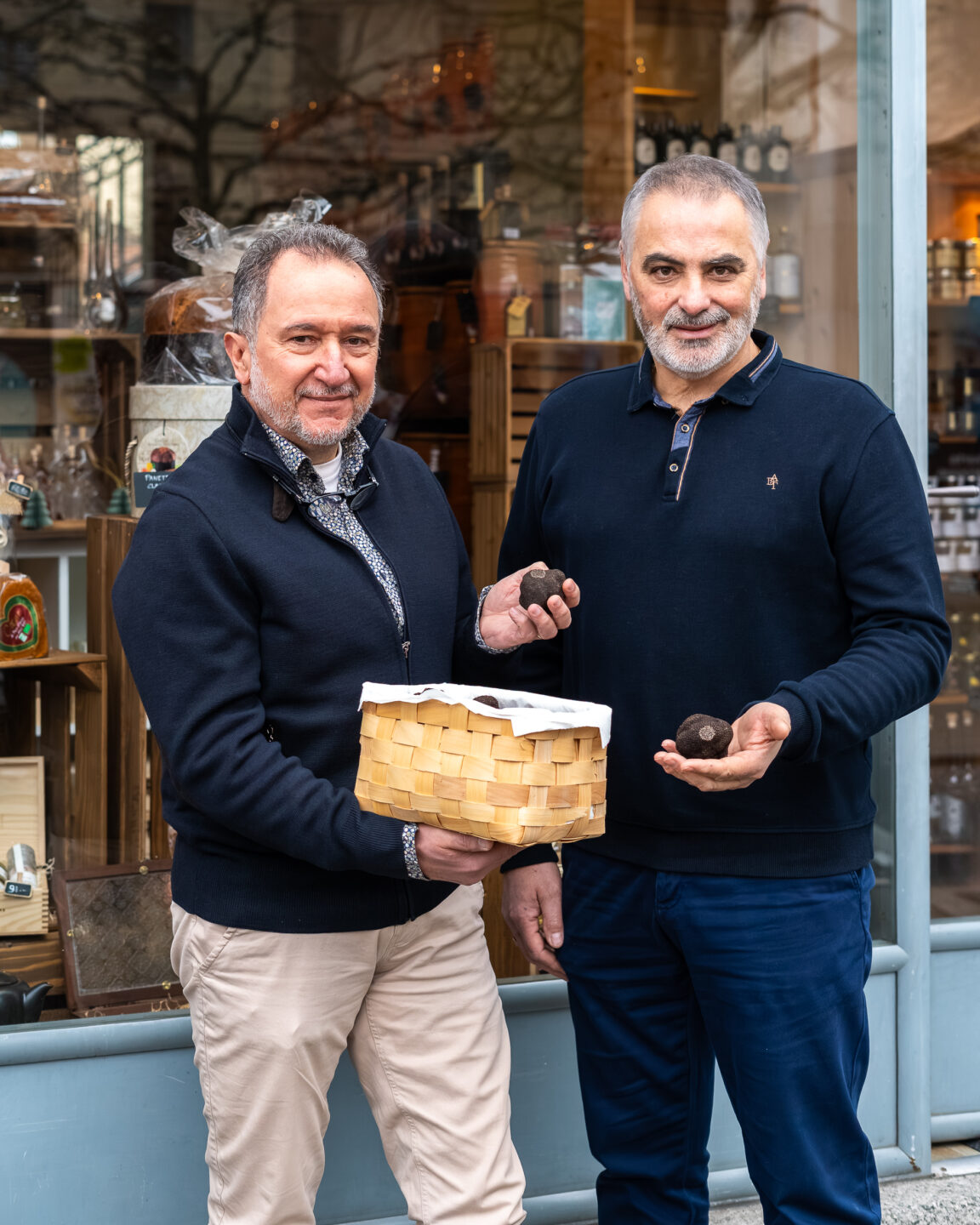
Recognizing, preserving and cooking
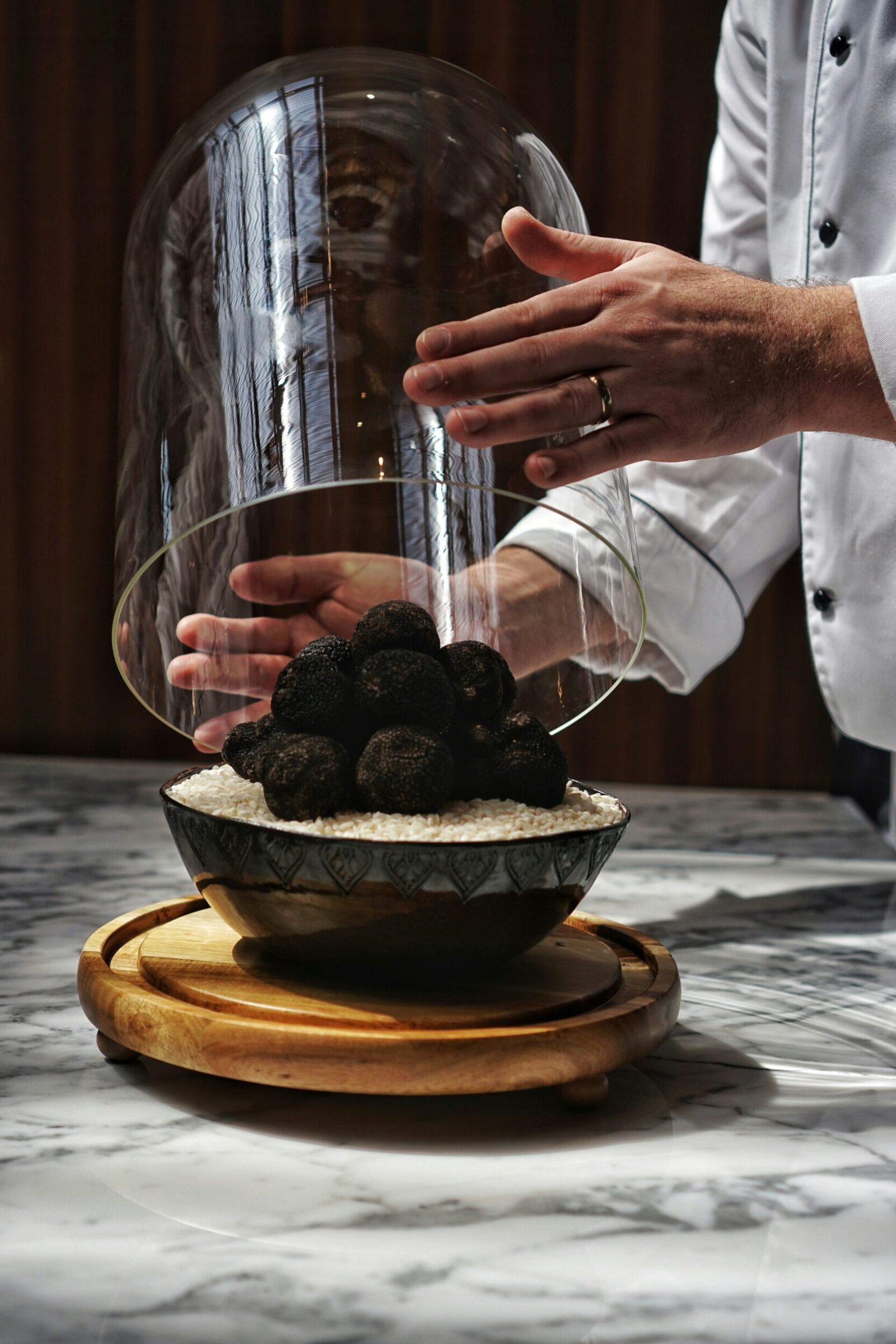
Choosing a truffle isn’t just a matter of the eyes, it’s also a matter of the nose. The fragrance always comes first. Black truffles whisper with scents of undergrowth, mushroom, warm earth, sometimes a hint of musk – nothing frontal, all depth.
La blanche d’Alba doesn’t whisper: it announces. Garlic, aged Parmesan, mature cheese – a clear, almost insolent signature. First rule: never judge it cold. At 4 degrees, truffles go silent. Take it out an hour before, let it catch its breath. When it warms up, it speaks.
To clean: water, brush, patience. Then dry, really dry. To store it: paper towel, airtight box, bottom of fridge. Change the paper every day. A little magic trick: slip some eggs in shell into the box with it. Three or four days later, crack them, beat them and cook them gently. You’ll get a truffle taste without having used any.
In cooking, we don’t say “cook”, we say “heat” the truffle. Never in a boiling sauce: that would make it disappear. Black truffles like fat and sweetness – butter, cream, slow heat – that’s when they really open up. White truffles, on the other hand, only tolerate the last gesture: grated at the very end, in contact with heat. Above all, it cannot be frozen. Blanche is a moment, not a reserve.
The best truffle is often the simplest
At home? The ultimate is almost vexingly simple: toast, truffled butter, a slice, a grain of salt, champagne, and the world falls silent.
In a restaurant, the lasting memory is not necessarily a “spectacular” dish. Sometimes, it’s the perfection of a purée, the authenticity of a bread, the efficiency of a risotto, the precision of a pasta. The proof is that truffles don’t need effects. It needs a moment. And a little truth.