To be or not to be (in the kitchen): that is the question

The recently announced departure of chef Anne-Sophie Pic from the Beau-Rivage Palace at the end of the year marks a significant turning point in the gastronomic landscape. By examining the subject, this separation sheds light on a broader evolution in the model of contemporary chefs and invites us to question – beyond the specific case – the way in which haute cuisine is structured today. Dear reader, we won’t go back over the reasons for this departure, nor over what went on behind the scenes, because what’s important to us here is what the wider story is.
The pioneers
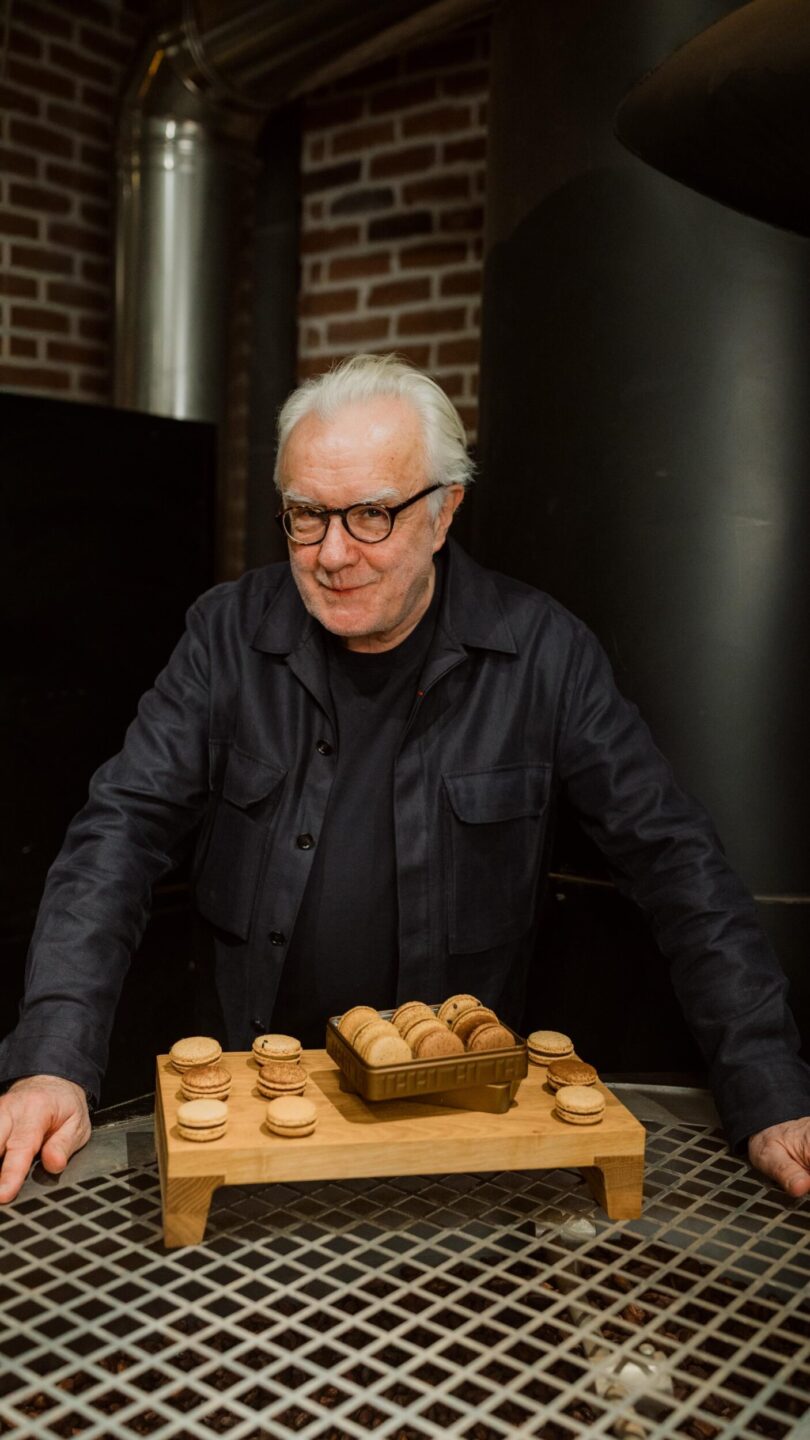
Over the past two decades, the figure of the chef has spread to the four corners of the globe. In the beginning, there were the pioneers, those who understood before the others that cuisine could go beyond the walls of a restaurant. Alain Ducasse on the one hand, strategist and empire builder, installing his vision in palaces the world over. Joël Robuchon on the other, inventor of formats, creator of a reproducible cuisine conceived as a universal language. Two visions, a calculator in the pocket and the same movement: the delocalization of toques. Then the system went haywire.
Television, with formats like Top Chef, has turned chefs into public figures. Desirable, bankable, interchangeable. Hotel and restaurant groups understood the value of a name on a façade, a signature on a menu, and chefs sometimes followed suit. Yannick Alléno, Jean-François Piège, Éric Frechon… so many trajectories that navigate between creation, consulting and expansion. On paper, it all works. But isn’t something actually crumbling?
Two camps
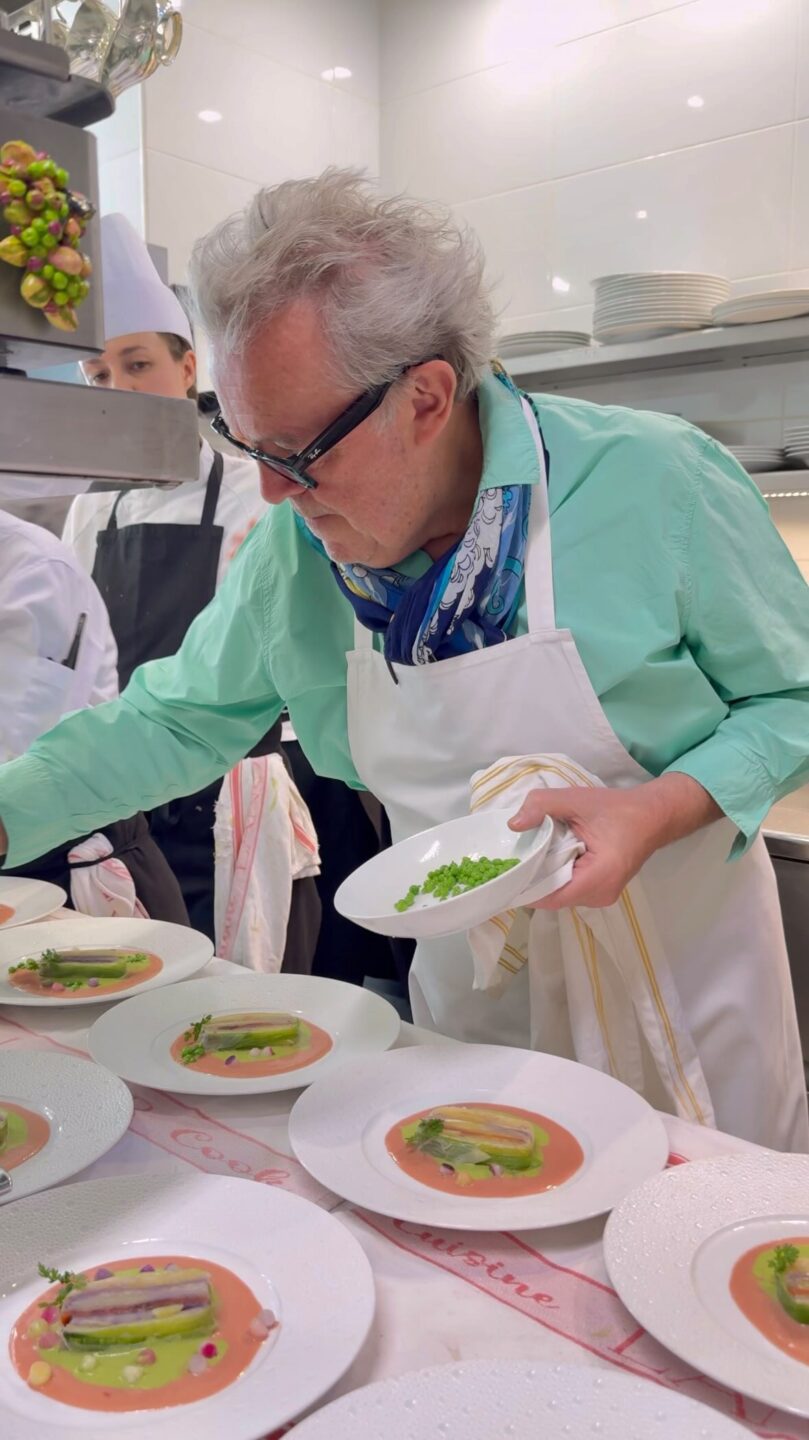
Because on the other side of the table, diners have changed. More informed, more sensitive, sometimes more demanding, they no longer come just for a plate, but for a presence and a story. They want to understand who’s cooking, who’s deciding, who’s embodying it, and above all to feel that it’s happening here and now. On one side, the chefs who stay. Alain Passard, unchanging at his Arpège in Paris, faithful to his vegetables and his rhythm. Franck Giovannini, at the Hôtel de Ville restaurant in Crissier, present, precise, committed to each service as on the first day. A cuisine that is incarnate, daily, artisanal in its consistency.
On the other, chefs who sign, supervise and orchestrate from a distance. Not for lack of talent (on the contrary), but because the model demands it, because economic imperatives take precedence, and because the system imposes itself. But does this model still hold? The split between Anne-Sophie Pic and the Beau-Rivage is an eye-opener. It raises a simple, brutal question: is a name still enough? Can we continue to use a chef’s reputation without his presence, to promise a cuisine without the man or woman who thought it up?
Transmission and embodiment
After all, gastronomy is not an industry like any other. It rests on a fragile tension between transmission and incarnation. Yes, a talented team can reproduce a gesture, a brigade can carry a vision, but sometimes it lacks that invisible extra, that energy, that attention to detail that only the presence of the original creator can instill.
Perhaps the trend is slowly reversing? Perhaps the current period is restoring the value of anchoring, of regularity, of loyalty, of those homes where you know the boss is there, where you can meet a gaze, exchange a word, feel a real involvement. Like a return to basics.
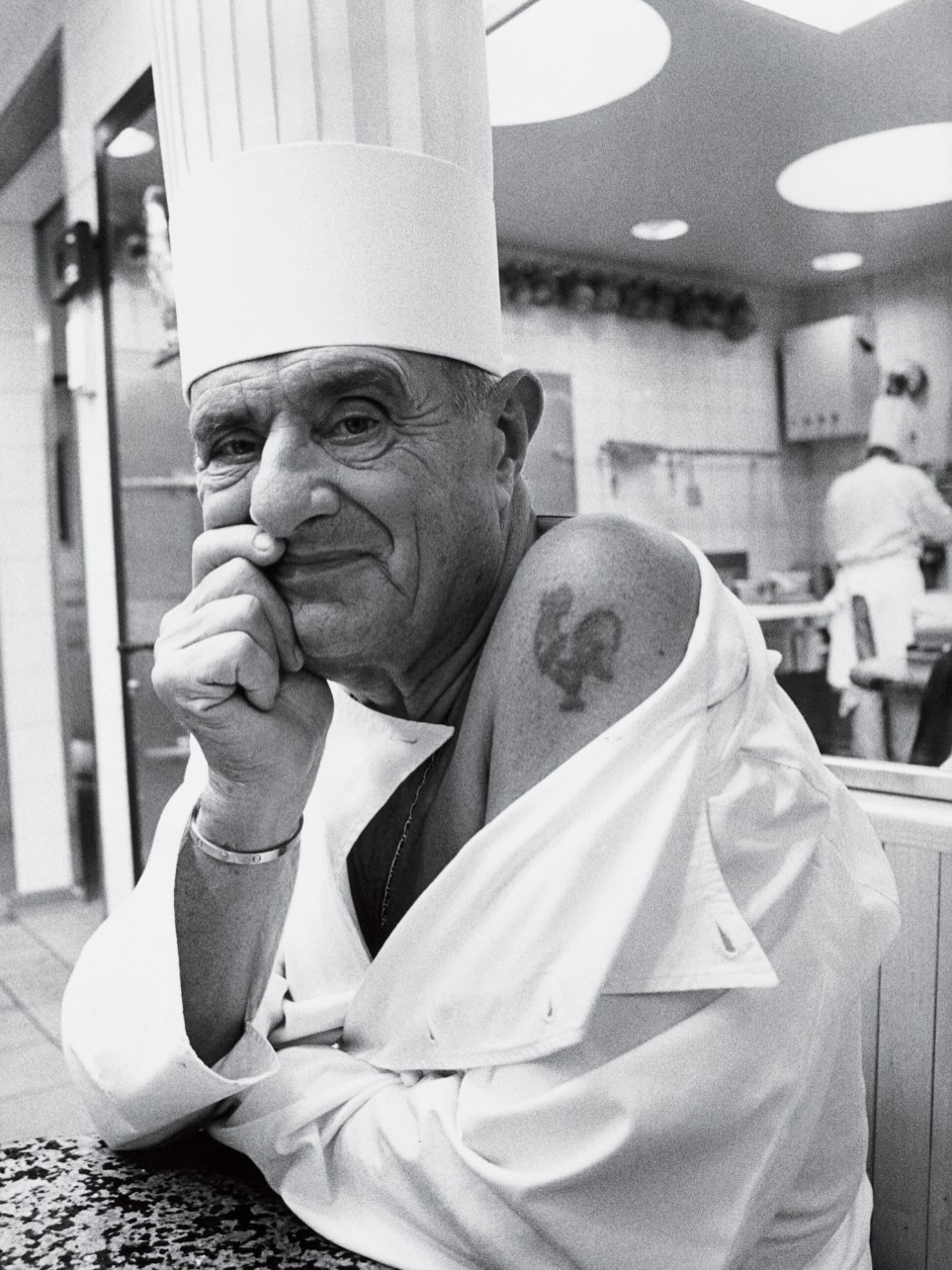
As Paul Bocuse once said, with a lucidity that spans the ages: “I’m the one who got chefs out from behind their stoves. There are many who would have been better off staying there. Behind the formula that hits the nail on the head, a truth persists. Gastronomy doesn’t waver, it questions, and in these questions, it simply seeks to become again.