Michelin Guide… bis repetita

Edouard Amoiel
20 mars 2024
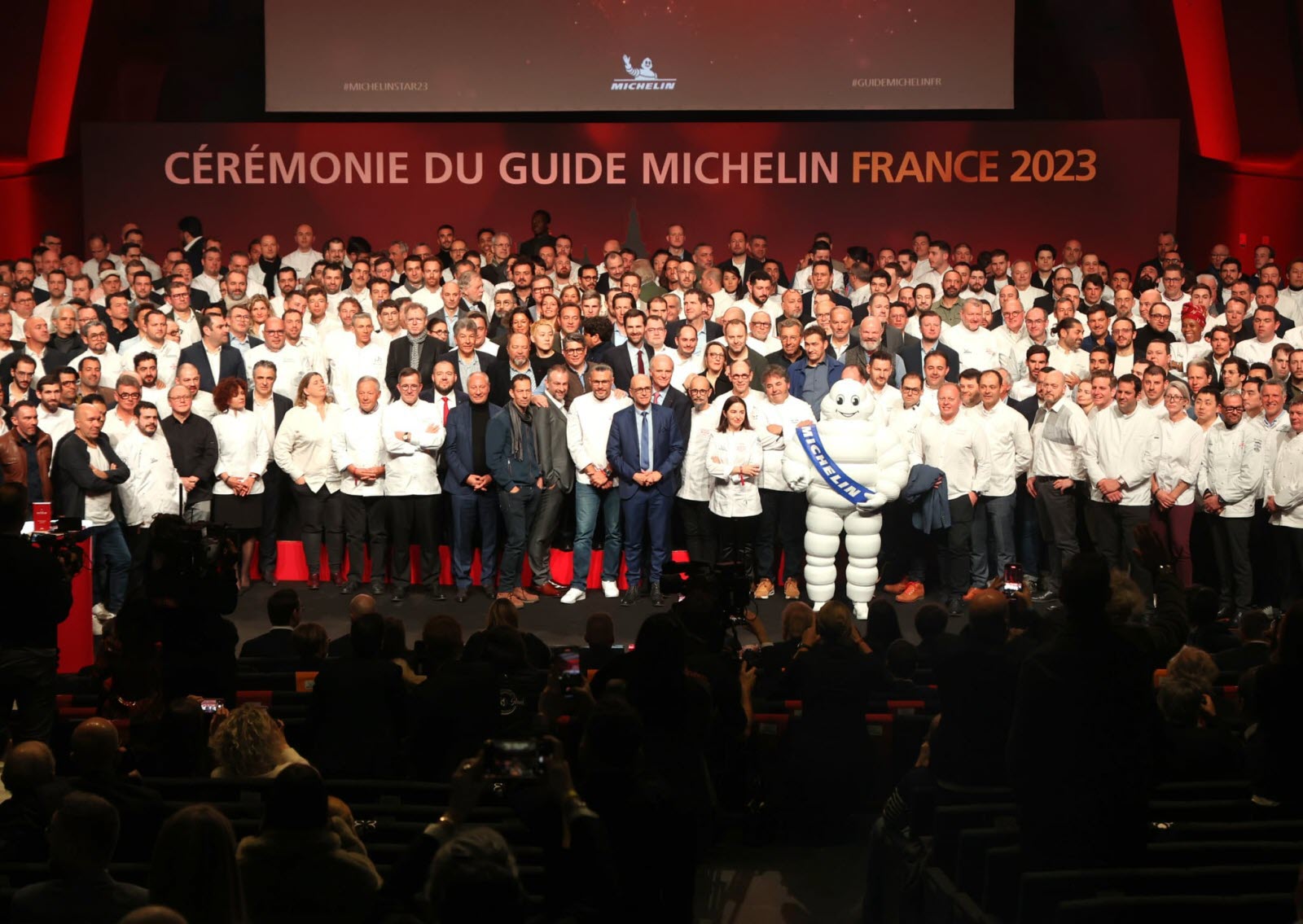
As it does every year, the Michelin Guide brings together the crème de la crème of French toques for a skilfully orchestrated ceremony. Strongly inspired by the festivities organized by its Anglo-Saxon competitor, The 50 Best Restaurants of the World, the Red Bible displays a forced and outdated ceremonial style, cruelly lacking (as with every vintage) in passion and life. With the exception of a few rebels who refused to take part in the festivities, such as Marc Veyrat and the Bras clan, the entire French gastronomic scene answered the call. But despite all the hype, is the guide still the toque of the world? Does the public still give credence to the inspectors’ ratings? Is the Michelin Guide still as fascinating as ever? We take a closer look.
Demoted vs. Rewarded
In the run-up to the ceremony, under Gwendal Poullenec, the guide announces the downgraded stars in the official media. About a week beforehand, the establishments that have lost their star are informed by telephone, and can “digest” the news in complete privacy. With this upstream approach, the Guide is able to concentrate exclusively on the winners, thus freeing itself from any discomfort during the celebrations. Innocent benevolence to spare the chefs, or unbridled information to fuel the news? Two-starred Valrose chef Benoît Carcenat believes that Michelin’s practice is akin to sensationalism. “One piece of information leads to another. Let the guide pass judgment, yes, but all at once. Communicating the list of the fallen before the official ceremony lacks elegance and only accentuates the pain of those who find themselves demoted”.
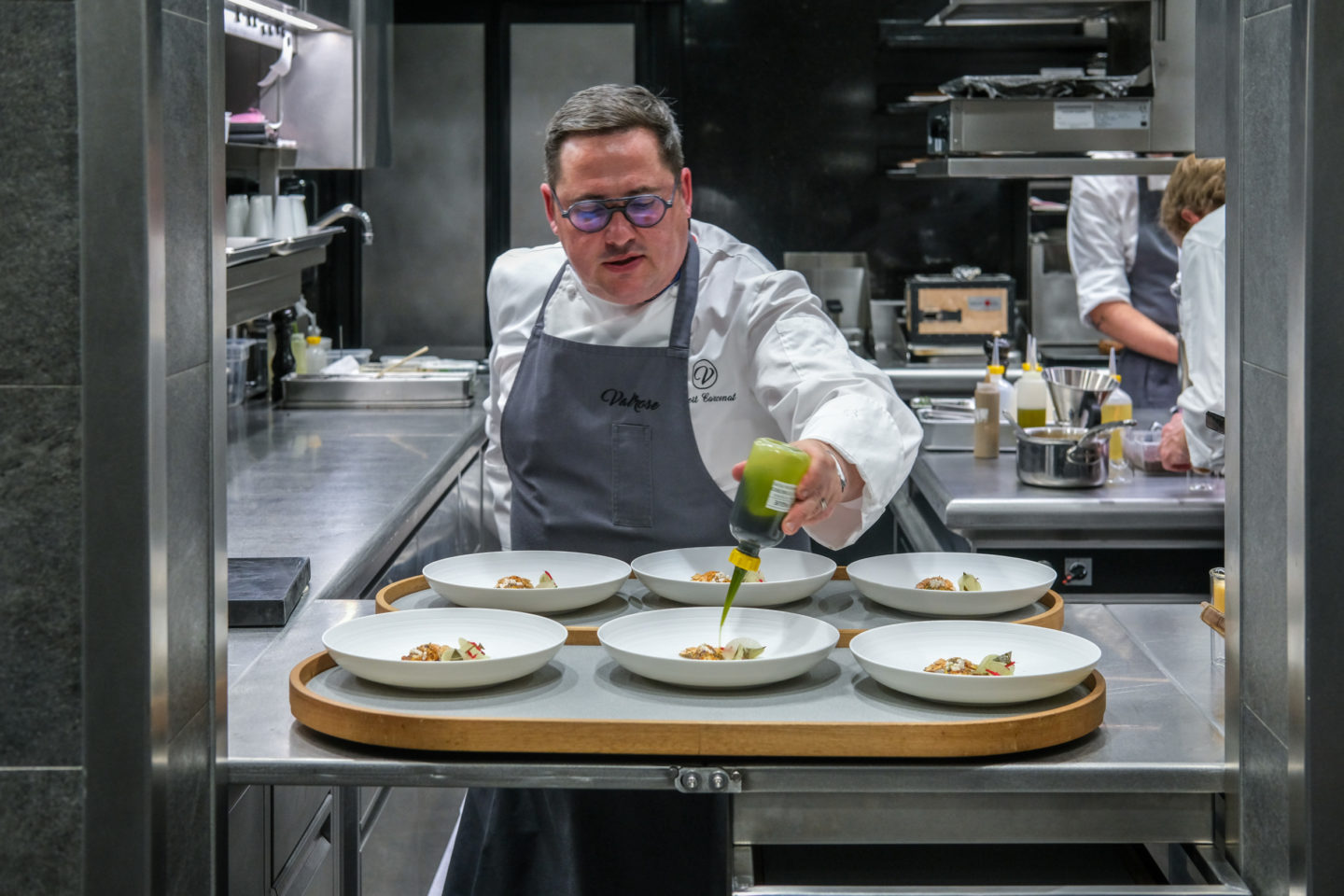 Chef Benoît Carcenat ©Valrose
From the heights of the village of Rougemont, the Meilleur Ouvrier de France has rapidly established himself at the top of the Swiss gastronomic hierarchy, winning a multitude of awards, including two glittering stars above the Vaudois house. Even if he does feel a form of recognition, the chef doesn’t see the Michelin as a grail, but as a complementary tool to his work. “Whether in terms of business, visibility or even recruitment, it’s up to us to make good use of the benefits of their judgment. Even if the Michelin Guide remains the benchmark for the culinary concept, we must be careful not to fall into the trap of obsession, which would be a hindrance to our own evolution”.
Break free from the system
With opacity skilfully maintained by the company since its inception, no judging criteria or details of the inspectors’ identities have ever transpired beyond the walls of the head office in Boulogne-Billancourt, Paris. In a world where transparency is the order of the day, the Michelin Guide manages to avoid conforming to the model of openness that is so much in vogue today. With this myth firmly entrenched, do chefs live in fear of losing this famous distinction? “We’re already riddled with doubts, but if you add the fear of losing a star to the daily equation, we can’t cope any more,” declares Benoìt Carcenat, before continuing, “their model of opacity is both their strength and their weakness. This cloudiness keeps everyone on their toes, but little by little, the younger generation is breaking free from this system.
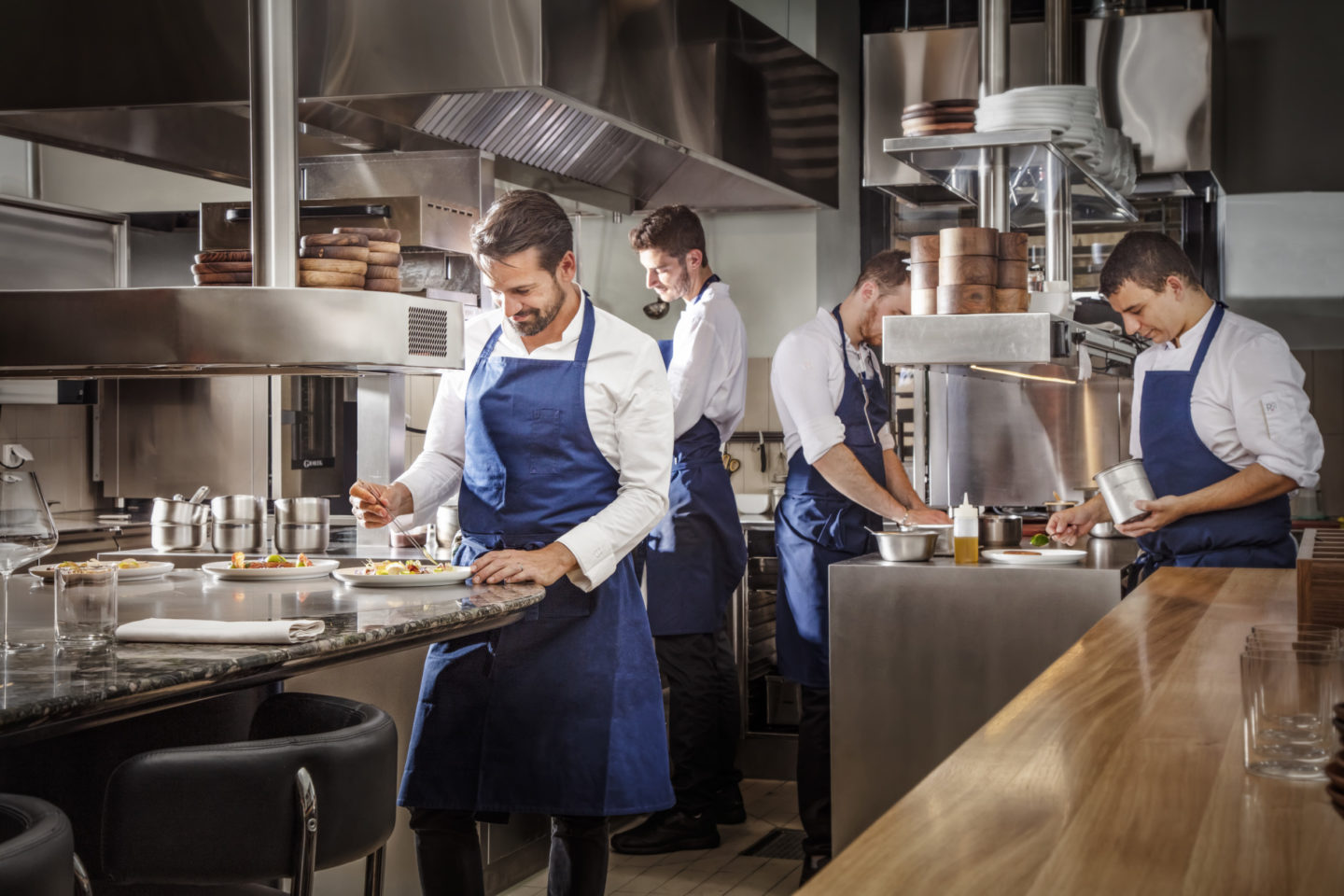
In Geneva, chef Yoann Caloué, currently at Café des Banques, was a long-time Michelin star holder at his previous restaurant in Carouge. With a predominantly local clientele, the restaurateur knows that his diners don’t frequent the premises based on distinctions. “Of course I’d like to have a star again, because I think, in all humility, that my cuisine is more accomplished than what I was offering before. In terms of distinction, it remains important for the teams”. Long considered a sales “booster”, would a Michelin star still boost the coffers of a restaurant like chef Yoann Caloué’s? “Not really! Of course, it gives you great visibility, especially in the first year. But you get a Michelin star for what you’ve done, not for what you’re going to do. Once again, the success of my establishment comes from my team and my customers, not from the awards.
Olympic Games
The Michelin Guide therefore remains an undeniable guarantee of quality, weathering the storms of the gastronomic world. In the world of toques, winning a star is the ultimate reward for the hard work of chefs, who often begin their experience in their teens. Like top-level competitors, most are in search of those long-awaited gastronomic decorations that would justify years of sacrifice. “Athletes don’t take part in the Olympic Games to avoid standing on the podium. It’s the same for us, depending on the rigor we impose on ourselves on a daily basis”, says Yoann Caloué. It’s only when you see the emotion of chefs Jérôme Banctel and Fabien Ferré, who each received three stars at the latest French ceremony, that you realize the lifelong joy they have experienced.