Green, between image and truth

What if green, behind its apparent obviousness, actually told two parallel stories of our gourmet era? First, there’s the smooth, immediately recognizable, globalized green. Matcha beaten into a frothy latte, avocado mashed to a centimetre on toast, kale rubbed with sesame oil. A green that has become a visual signature as much as an appealing product. It reassures, it ticks boxes, it’s part of a global aesthetic where we consume an image as much as a taste. Yet matcha was originally synonymous with ritual and silence. A Japanese tradition of precise, almost meditative gestures. What remains of this depth when it’s diluted in a sweetened, customized, standardized takeaway cup?
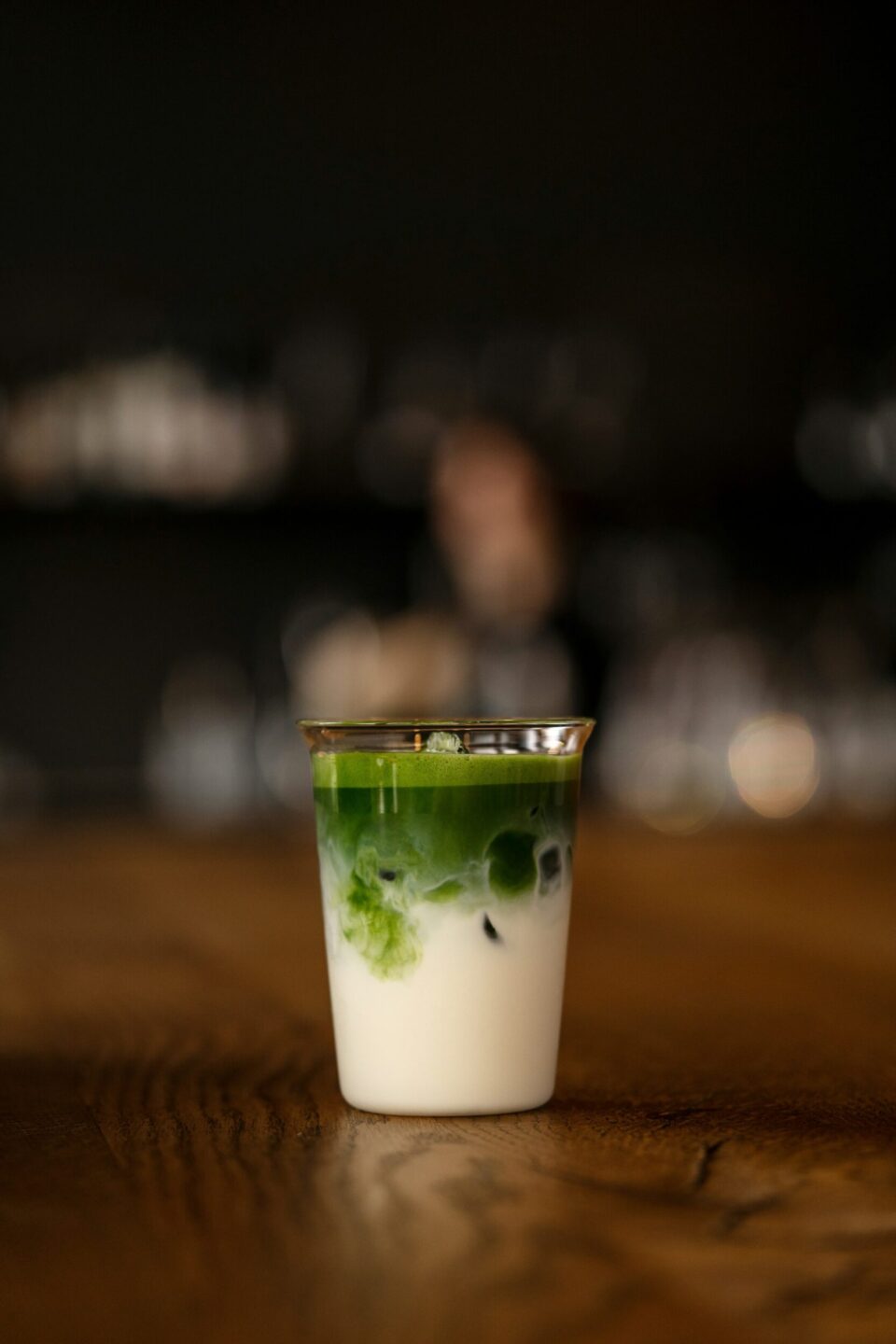


Symptom of an era
This first green is not an enemy. It’s a symptom of an age that simplifies, exports, reinterprets and where time seems to be speeding up. It speaks of a desire for “well-being”, a quest for energy, an accessible form of modernity. But it also questions our capacity to decontextualize noble products to the point of making them interchangeable.
And then there’s the other green. More discreet, more humble. The one that doesn’t seek to seduce immediately, but to impose itself through precision. The green of barely-crisp peas, asparagus caught at just the right moment, spinach worked with precision. A green of season, of proximity, of temporality. There’s no flashy storytelling here, just a cuisine that listens to the product, respects its rhythm and even accepts its brevity.
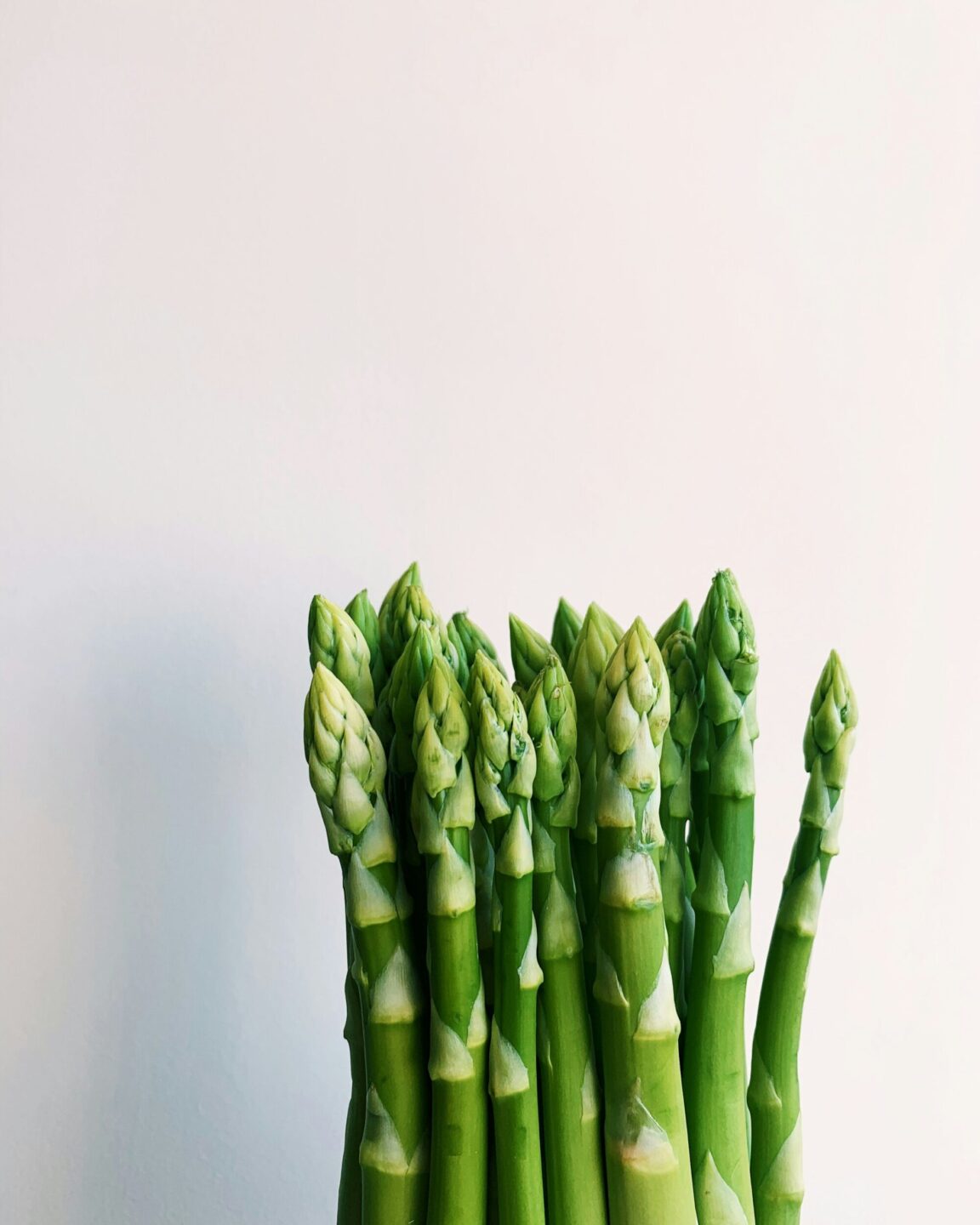
Patience and precision
This second green requires more attention. It can’t be eaten at any time of day, or all year round. It requires patience and discipline. But in exchange, it offers a depth, a vibration, a truth that the other green sometimes struggles to achieve.
Between these two visions, there is no war. Only tension. An open question about how we eat, how we desire, how we understand what it really means to be “in season” today.
After all, green has never been so present on our plates. But whether it’s “green” we’re looking at… or “green” we’re eating remains to be seen.